'Nothing left to eat' — Sybiha urges partners to act on Oleshky humanitarian crisis
 on Google
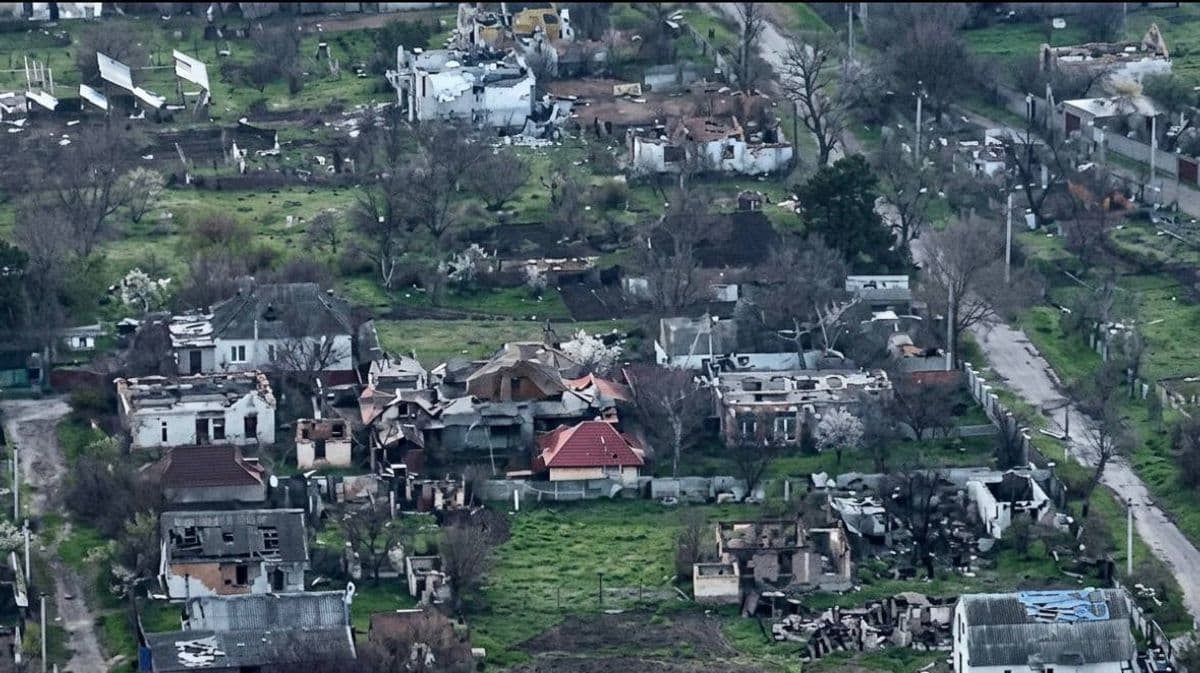
The critical humanitarian crisis in Russian-occupied Oleshky continues to worsen, Foreign Minister Andrii Sybiha said on Sept. 25, as Russian forces continue to block aid into and evacuation out of the town in Kherson Oblast.
"There is almost nothing left to eat. Reports indicate that civilians are being forced to survive on grass and weeds, while medicines, clean water, electricity, and medical care are increasingly out of reach," Sybiha wrote on X.
"Children are trapped in these conditions too," the minister added.
Oleshky lies on the eastern bank of the Dnipro River, less than 4 kilometers (2.5 miles) from the regional center of Kherson. The town has been under Russian occupation since Feb. 24, 2022.
Russian forces are preventing Ukraine and international humanitarian organizations from accessing the occupied territories to provide aid.
Residents of Oleshky have reported that the town is running critically low on food due to a lack of supplies, while only a small number of residents have managed to evacuate.
Oleshky's population has fallen from around 24,000 to approximately 2,000 as of spring 2026, according to the Foreign Ministry.

Sybiha held Russia responsible for the humanitarian crisis and said the international community should use "all available mechanisms to deliver aid to residents" and facilitate the evacuation of those who want to leave.
The minister separately called on the United Nations, the International Committee of the Red Cross, and other international organizations to use their mandates and channels to ensure immediate and unhindered humanitarian access.
On Sept. 25, Council of Europe Commissioner for Human Rights Michael O'Flaherty raised concerns about the worsening humanitarian situation in Oleshky. O'Flaherty said civilians, including children, were struggling to access adequate food, medicine, medical care, clean water, and electricity, warning that some could face a serious risk to their lives.
O'Flaherty said international humanitarian law requires occupying authorities to ensure civilians have access to food and medical supplies and to facilitate the delivery of humanitarian aid.