Russia's recruitment of foreign nationals amounts to human trafficking, Amnesty International says
 on Google
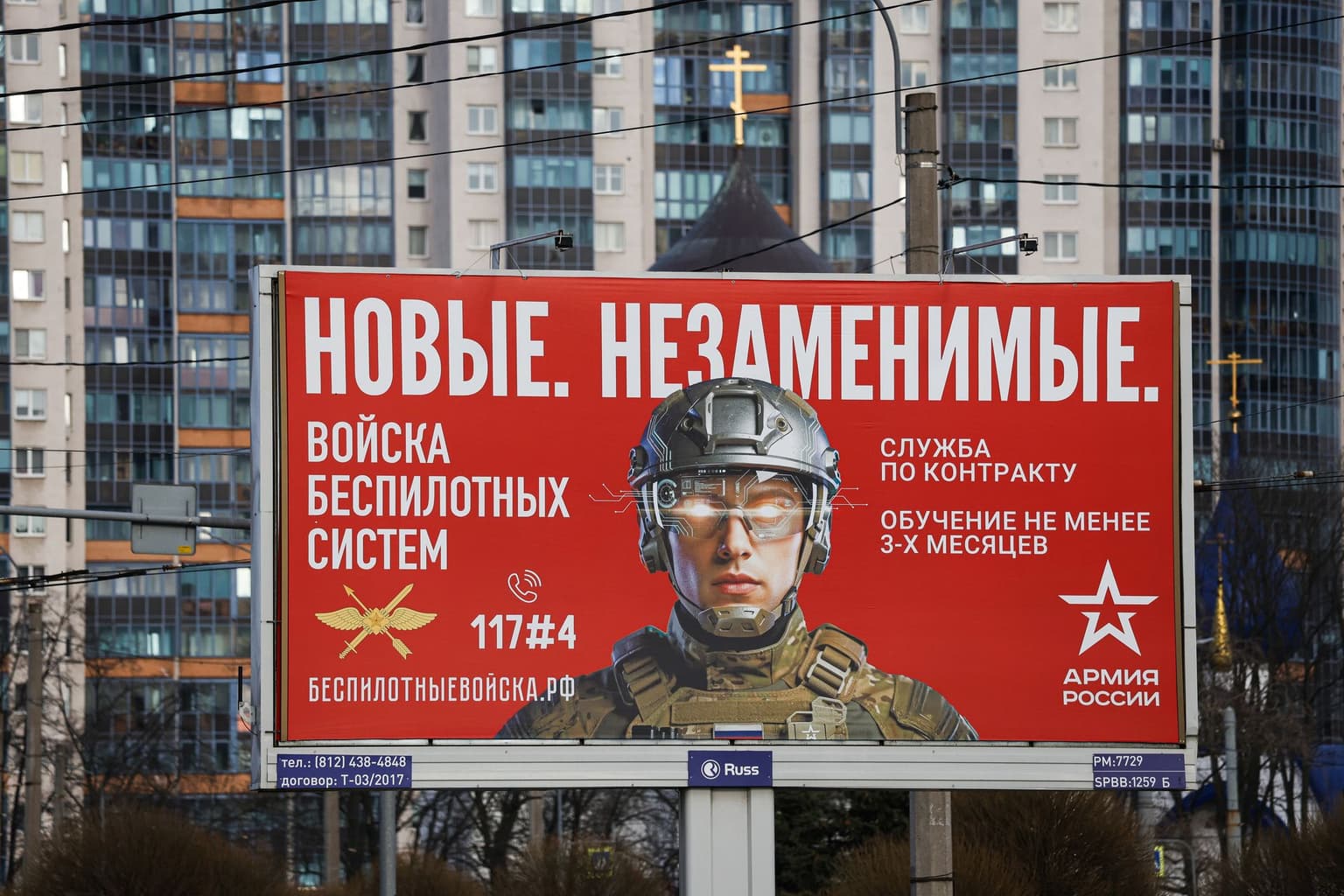
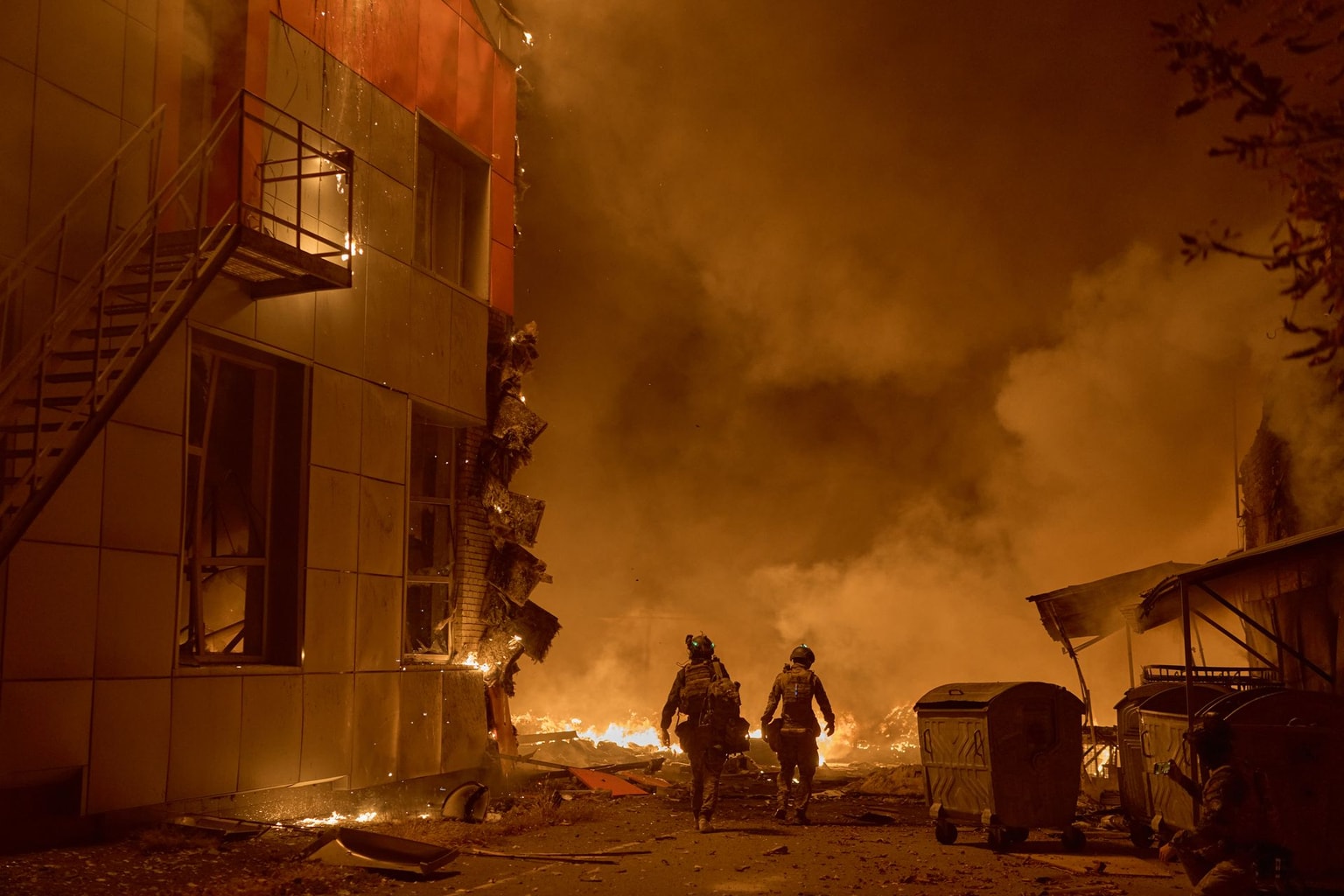
Russia exploits and deceives foreign nationals to enlist them in its armed forces and send them to fight in Ukraine, and in many cases these practices amount to human trafficking, the human rights organization Amnesty International said in a report published Sept. 10.
Russia primarily targets people from low-income countries in the Global South, the report said. Russian recruiters lure people from abroad under false pretenses and exploit the precarious situation of migrants in Russia by weaponizing overstayed work visas or supposed criminal offenses and offering military service as an alternative to detention or deportation, it added.
"Once victims sign the paperwork, often in a language they do not understand, military commanders restrict their movements, deploy them to the front lines with minimal preparation, and threaten those who seek a way out," the report stated.
The Russian army misrepresents the nature of the work and the risks involved to these foreign nationals as a key tactic to recruit them, according to Amnesty International. Russian recruiters also offer lucrative payments and pathways to Russian citizenship as incentives that rarely are fulfilled, the report said.
Many foreign recruits lack any kind of military training and get deployed to active combat zones after just two weeks of training, in what Amnesty International called "an apparent disregard for human life."
Two Sri Lankan nationals interviewed in the report said they were led to believe they would be working as cooks but were sent to fight on the front lines and captured within weeks by Ukrainian forces. "The scale of fighting is unimaginable. You do not see Ukrainian soldiers, only drones. Drones everywhere," one said.
"I would never go back there."
Once in the military, Russia often takes away the passports of foreign nationals and severely restricts their movement, the report said.
Pedro, a Brazilian IT professional recruited after signing what he thought was a contract for a well-paid tech job in Russia, said he asked his commander to leave but was told, "If you try to escape, you will either go to jail or we will kill you."
Amnesty International called on Russia to "immediately end all abusive practices involving the military recruitment of foreign nationals" in its report.
"The level of exploitation and coercion involved led us to conclude that in many cases this amounts to human trafficking, as defined under the UN’s Palermo Protocol," said Agnès Callamard, secretary general of Amnesty International.
On March 30, Ukraine had identified 27,407 foreign nationals fighting for Russia in its war against Ukraine, up from more than 18,000 in November, with Moscow recruiting them from at least 135 countries, according to the Coordination Headquarters for the Treatment of Prisoners of War.
The headquarters said much of the data on foreign nationals serving in the Russian army is compiled when those fighters are taken prisoner, including through Ukraine's "I Want to Live" project, which encourages those fighting on Russia's side to surrender to Ukrainian forces.
"In total, hundreds of foreigners are currently held in Ukrainian captivity, and their number continues to grow. Each week, Ukraine’s Defense Forces take captive one to three citizens of third countries, whom the Kremlin regime is effectively sending to certain death," the headquarters said.