Russian election results unlikely to affect escalation of war but could fuel mobilization, Zelensky says
 on Google

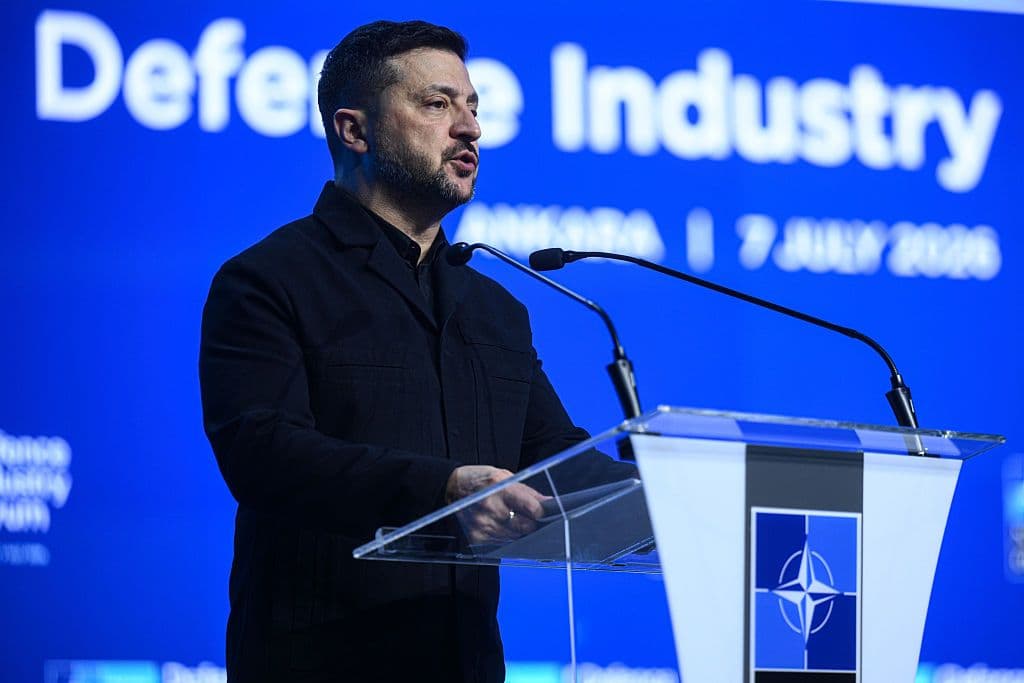
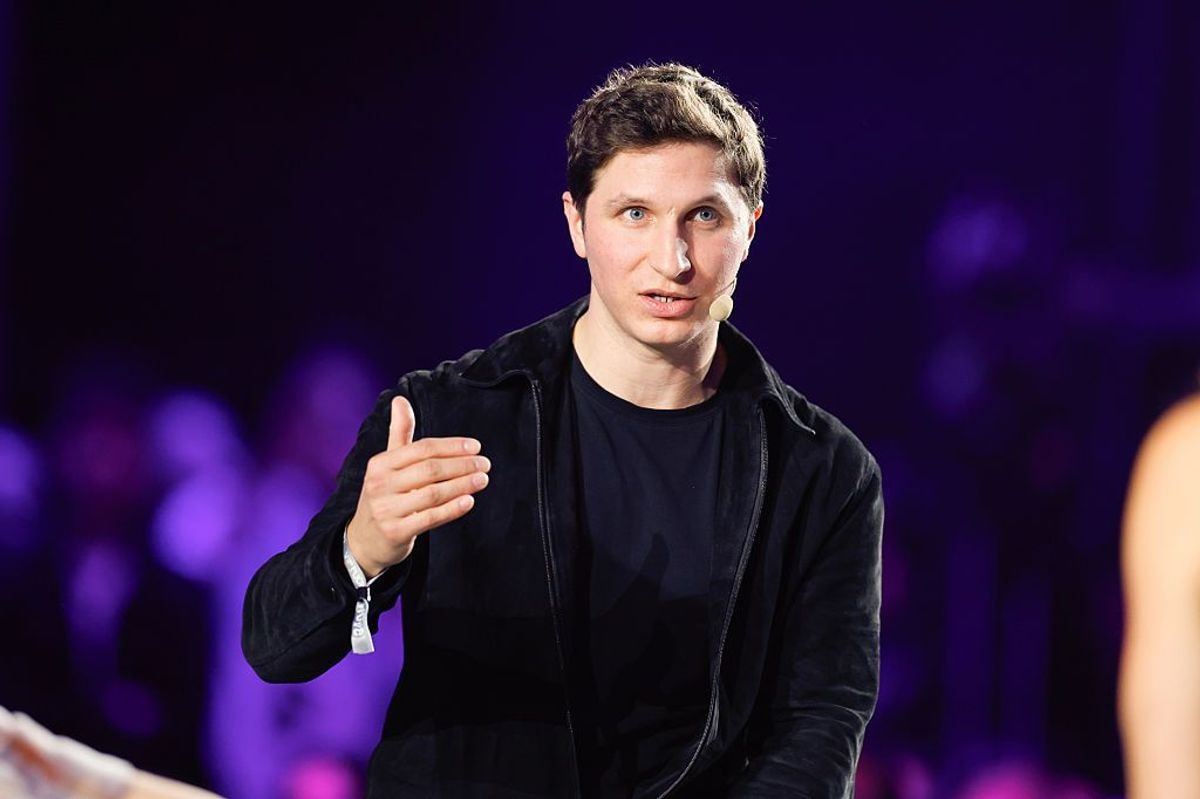
The results of Russia's parliamentary elections, set for Sept. 18–20, are unlikely to affect the course of the war in Ukraine but could accelerate mobilization efforts inside Russia, President Volodymyr Zelensky said on July 15 at the Ukraine-Southeast Europe Summit in Kyiv.
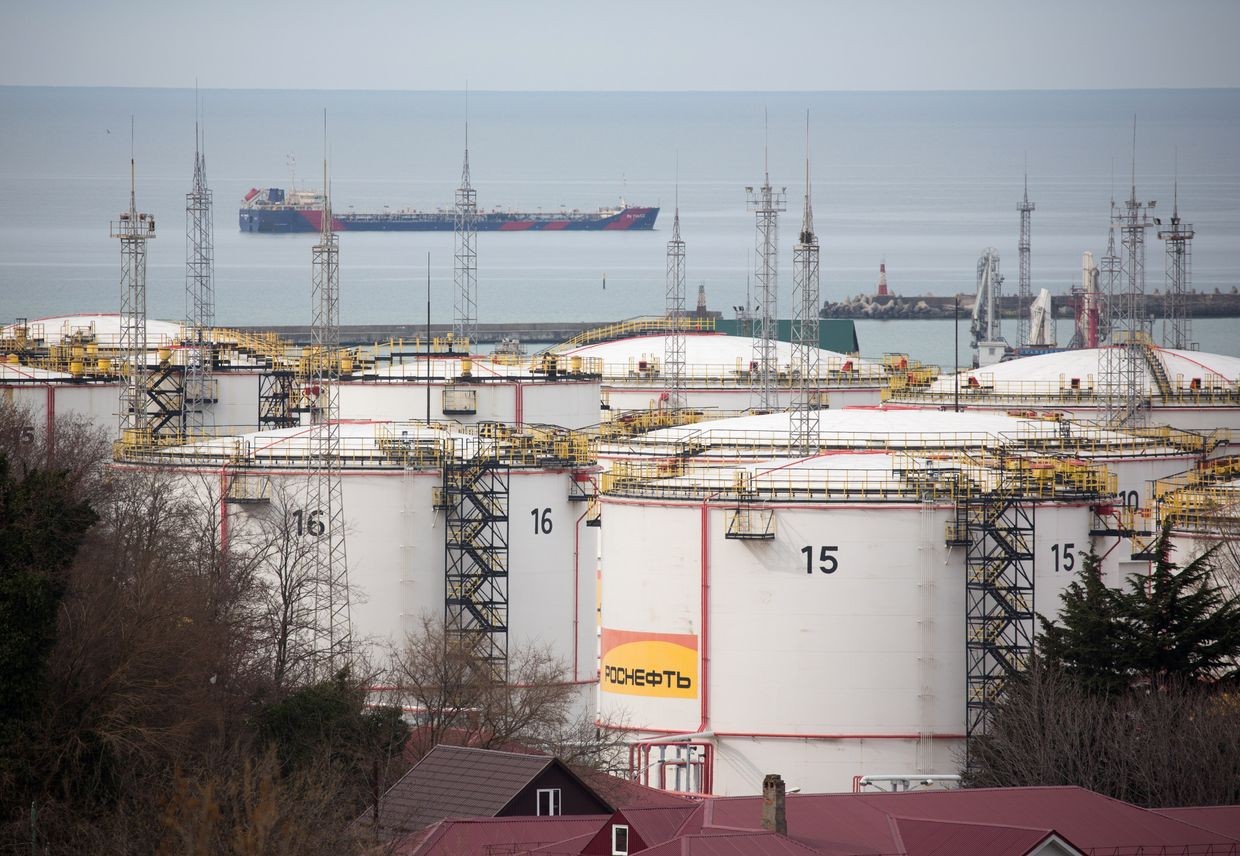
The remarks come as fuel shortages and rising prices intensify across Russia following Ukraine's campaign of long-range strikes against the Russian oil industry, which has put additional pressure on the Kremlin and fueled public discontent.
"The election results will have no impact on this escalation, because the results will be known before the election," Zelensky said at the summit attended by the Kyiv Independent.
"We know for certain that the percentage of people who no longer support his war has risen sharply. I don't really know how many people support (Vladimir) Putin, but the percentage of people who do not support the war and want it to end has risen very sharply," the president added.
Russian President Vladimir Putin's approval ratings have declined in recent weeks, according to polls by the state-run All-Russian Center for the Study of Public Opinion.
A poll conducted from June 29 to July 5 showed that 66% of respondents approved of Putin's actions, down 0.9 percentage points from the previous week. Meanwhile, 72.3% said they trusted the Russian president, a decline of 1 percentage point over the same period.
As the survey was conducted by a state-run agency, the accuracy of the published results cannot be independently verified.
According to Zelensky, support for Russia's invasion has declined most noticeably in regions bordering Ukraine, where residents have experienced the consequences of the war firsthand.
"Things like this definitely influence the actual ratings and voting in the Russian Federation," Zelensky said.
Zelensky added that Putin may pursue further domestic escalation after the election regardless of the outcome, including stepping up mobilization.
"(Putin) won't be able to increase the number of contract soldiers because that would cost a lot of money. So he might resort to increasing mobilization," Zelensky said.
"We're thinking about this. We need to be prepared for such steps."
Russia has announced only one "partial mobilization" during its full-scale invasion of Ukraine — in September 2022. The move sparked protests across the country and prompted thousands of Russians to flee abroad.
To sustain its war effort, Moscow has instead relied on contract soldiers, foreign mercenaries, and North Korean troops. There have also been confirmed cases of Russian conscripts taking part in the war in Ukraine, despite repeated claims by Russian officials that conscripts are not being deployed to the front.
With Russia's economy strained by the war and public fatigue steadily growing, the political consequences of a second mobilization could be significantly more difficult for the Kremlin to manage.
"If Russia does trigger military mobilization, it is a sign that the regime is under tremendous strain and is politically trapped," said Max Bergmann, an analyst at the Center for Strategic and International Studies (CSIS).
A mobilization is a "huge gamble for Putin, a bet that could put himself and his regime at risk," Bergmann told the Kyiv Independent.
A January report by the Center for Strategic and International Studies (CSIS) estimated that Russia had sustained roughly 1.2 million battlefield casualties by December 2025, including as many as 325,000 troops killed.
The report estimated that to make up for those losses, Moscow would need to recruit more than 30,000 new soldiers each month.
According to Ukrainian intelligence, around 70,500 Russians signed military contracts during the first three months of 2026, about 30,000 fewer than the Russian Defense Ministry's recruitment target.