Russian region offers record $18,000 reward for recruiting foreigners to fight in Ukraine
 on Google
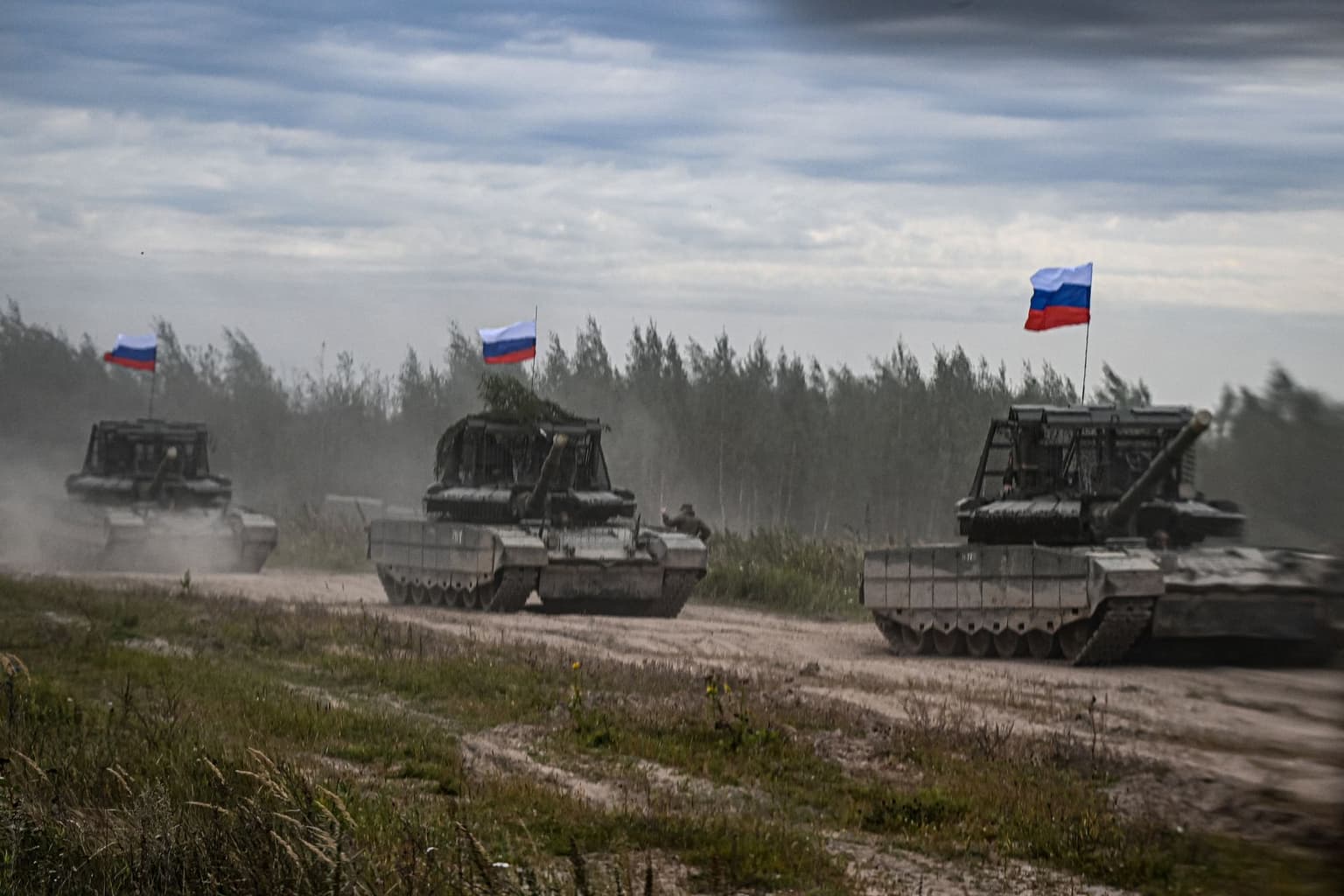
Siberia’s Irkutsk Oblast has raised payments to people who recruit foreign nationals into the Russian military to 1.5 million rubles ($17,800) per recruit, the highest such reward offered by a Russian region, independent outlet Vyorstka reported on Sept. 11.
Irkutsk Governor Igor Kobzev signed the decree earlier this week, establishing the 1.5 million-ruble payment for anyone who helps a foreign citizen or stateless person sign a contract with Russia’s Defense Ministry.
The region has offered payments for recruiting contract soldiers since at least April. Recruiters could previously receive up to 400,000 rubles ($4,700), meaning the maximum payment for bringing in a foreign national has risen almost fourfold in seven months, according to Vyorstka.
The new decree also creates a separate category for foreign nationals and stateless people for the first time. Payments for recruiting Russian citizens registered outside Irkutsk Oblast were doubled from 400,000 to 800,000 rubles ($9,500).
Other Russian regions have also increased incentives as Moscow seeks additional manpower for its war against Ukraine. Smolensk Oblast raised its recruiter payment from 115,000 rubles ($1,300) to 1 million rubles ($11,900), while Ryazan Oblast increased some recruitment payments to 805,000 rubles ($9,500).
The increase comes amid mounting evidence that Russia has relied on foreigners, particularly people from lower-income countries, to replenish its forces.
Ukraine’s Coordination Headquarters for the Treatment of Prisoners of War said in April that at least 28,391 foreign nationals from 136 countries had been identified as fighting in the Russian military, not including regular North Korean troops. Amnesty International cited the figures in a report published on Sept. 10 but said it could not independently verify them.
Amnesty said Russia’s recruitment of foreign nationals has frequently involved “deceptive, coercive and exploitative practices,” including false promises of civilian jobs, high salaries, residency rights, or Russian citizenship.
The rights group documented cases in which recruits said they signed contracts they did not understand, had their passports confiscated, received little military training, had their movements restricted, and were threatened when they attempted to leave.
Amnesty concluded that in many cases, Russia’s recruitment practices amount to human trafficking.