One of Ukraine's largest football stadiums damaged in Russian strike on Odesa
 on Google
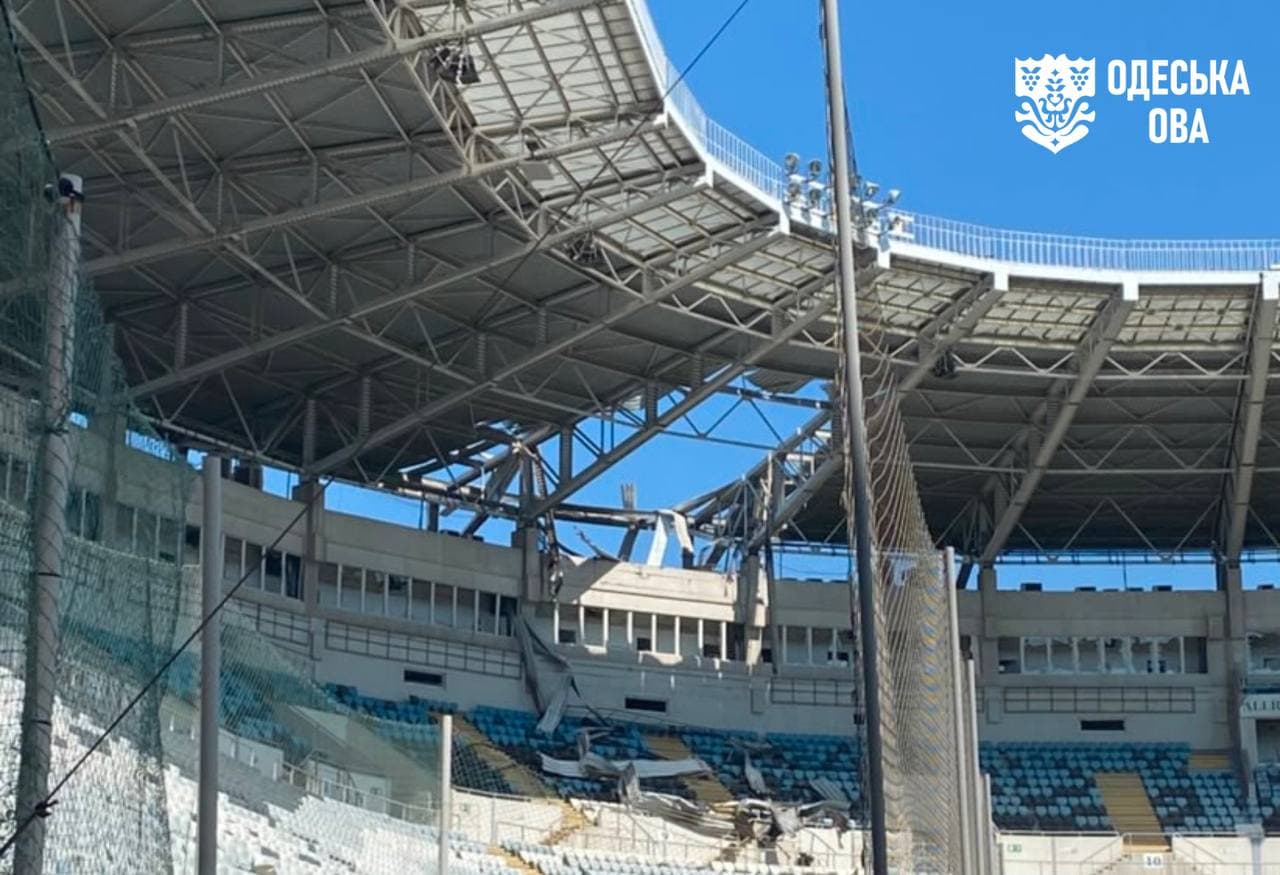
A Russian strike on Odesa on Aug. 7 damaged one of Ukraine's largest football stadiums, home to FC Chornomorets, and injured at least two people, Governor Oleh Kiper said.
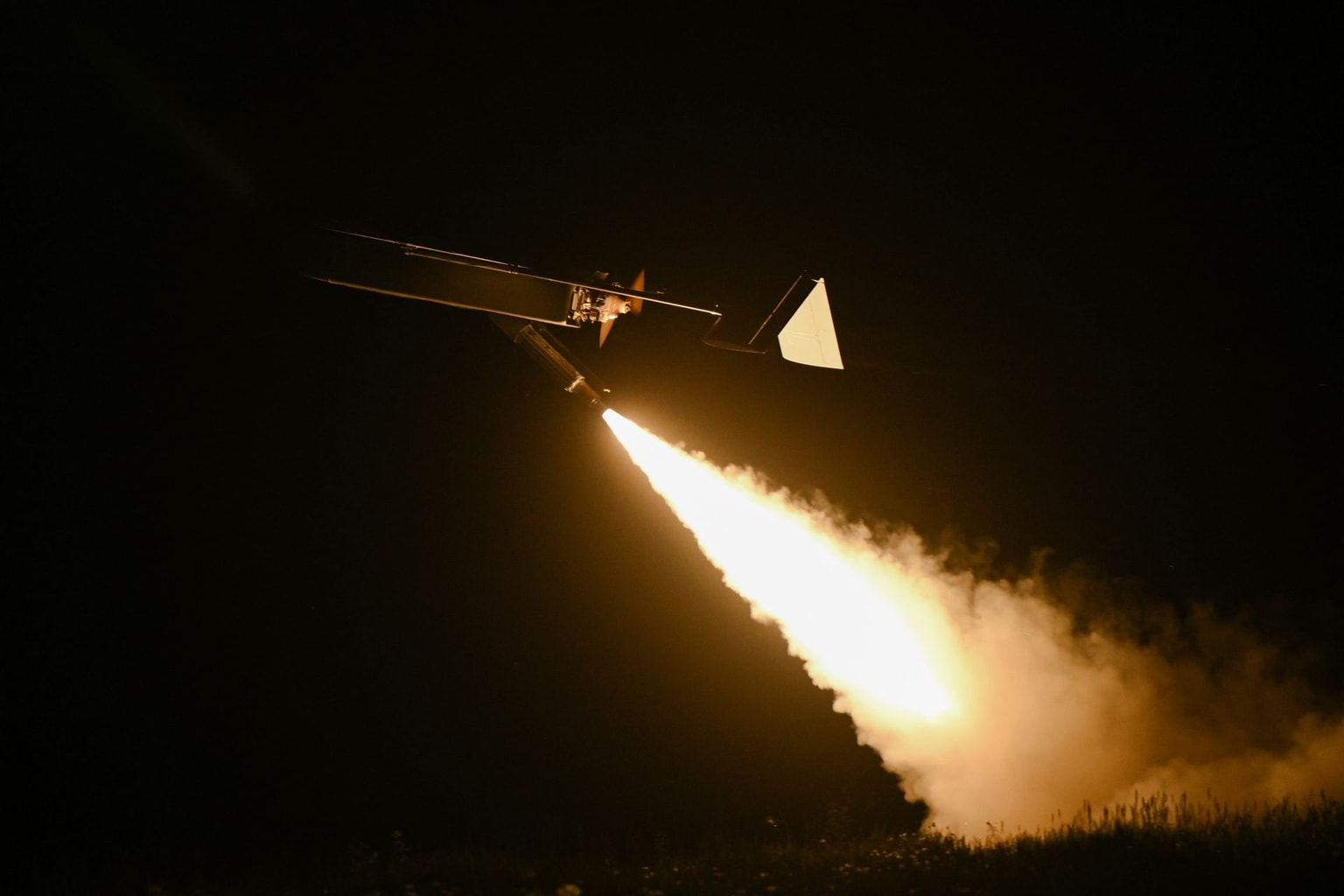
The attack occurred at around 3:30 p.m. local time, shortly after Ukraine's Air Force warned that jet-powered drones were approaching Odesa Oblast.
A 29-year-old woman who was at the stadium during the attack was injured. She received medical treatment at the scene, Kiper said.
Around 8 p.m. local time, Kiper said the number of injured had risen to two after a 31-year-old man sought medical treatment. He was hospitalized.
The venue, located in central Odesa near the city's port, suffered significant damage. The roof was partially destroyed, while the glazing and spectator stands were also damaged.
Chornomorets Stadium is one of Ukraine's largest football venues, with a capacity of 34,164 spectators. Before Russia's full-scale invasion, it hosted UEFA competition matches, as well as international fixtures involving Ukraine's national team.
The stadium is now home to the men's FC Chornomorets and the women's SeaSters football club. The facility hosts top-flight matches in both Ukraine's men's and women's football leagues.
It was scheduled to host the next Ukrainian Premier League men's match on Aug. 8. Organizers said the match would be postponed, but did not specify when or where it would be played.
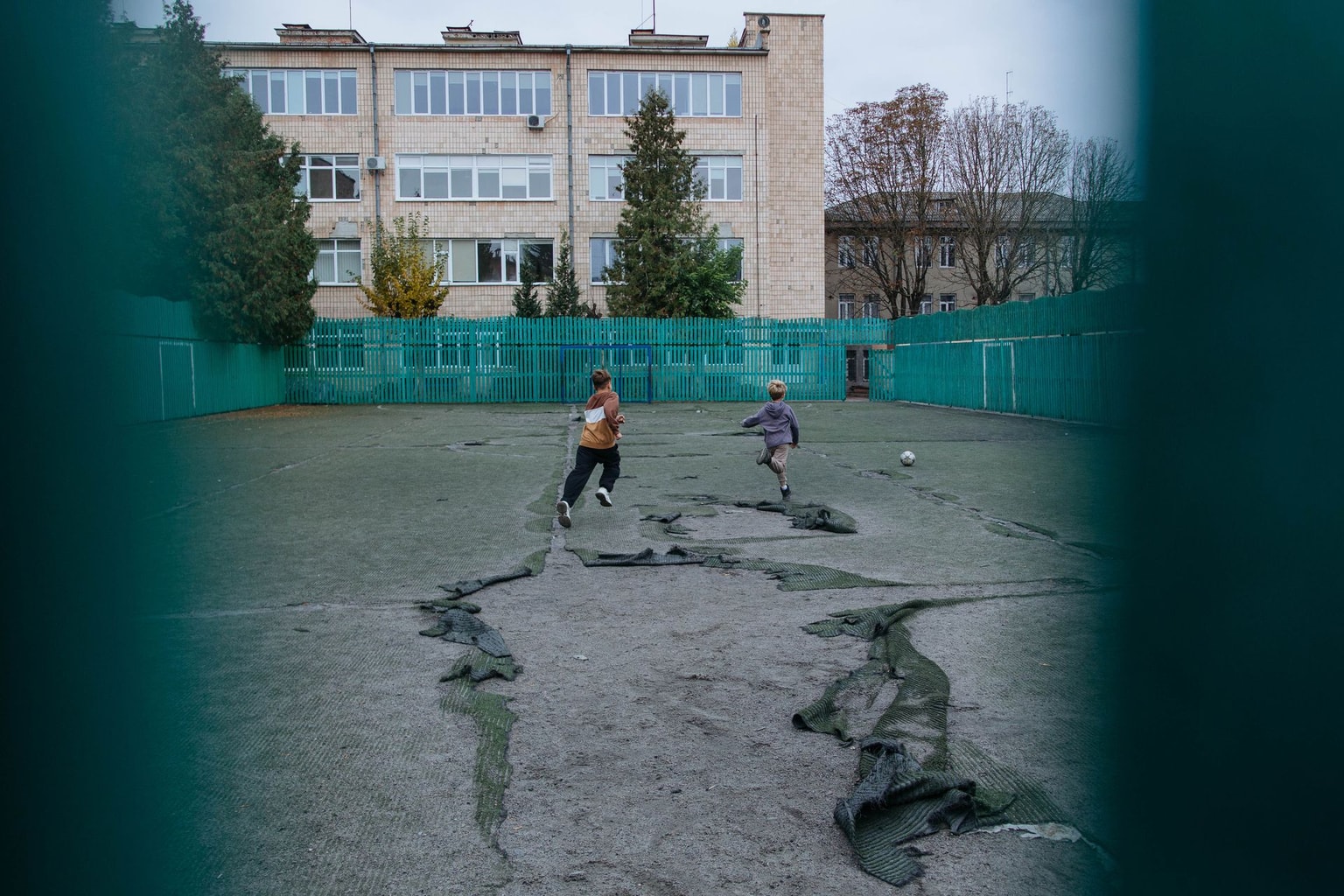
As of July 20, Russian forces had damaged or destroyed 915 sports infrastructure facilities across Ukraine, according to Youth and Sports Ministry.
Russian forces have intensified attacks on Odesa and the surrounding region this summer, coinciding with the peak tourist season, when thousands of visitors travel to the Black Sea coast.
The city has been targeted with both drones and missiles, including Banderol missiles, which Russia has used to strike port infrastructure in the region.
The attacks have also damaged dozens of civilian vessels passing through Odesa’s ports and caused casualties among crew members.
In July, Russian forces carried out 124 attacks on Ukraine's maritime infrastructure, targeting seaports, civilian vessels in ports, and ships operating within the Ukrainian maritime corridor, according to the Development of Communities and Territories Ministry.