Russia suffers record losses in March, Zelensky says
 on Google

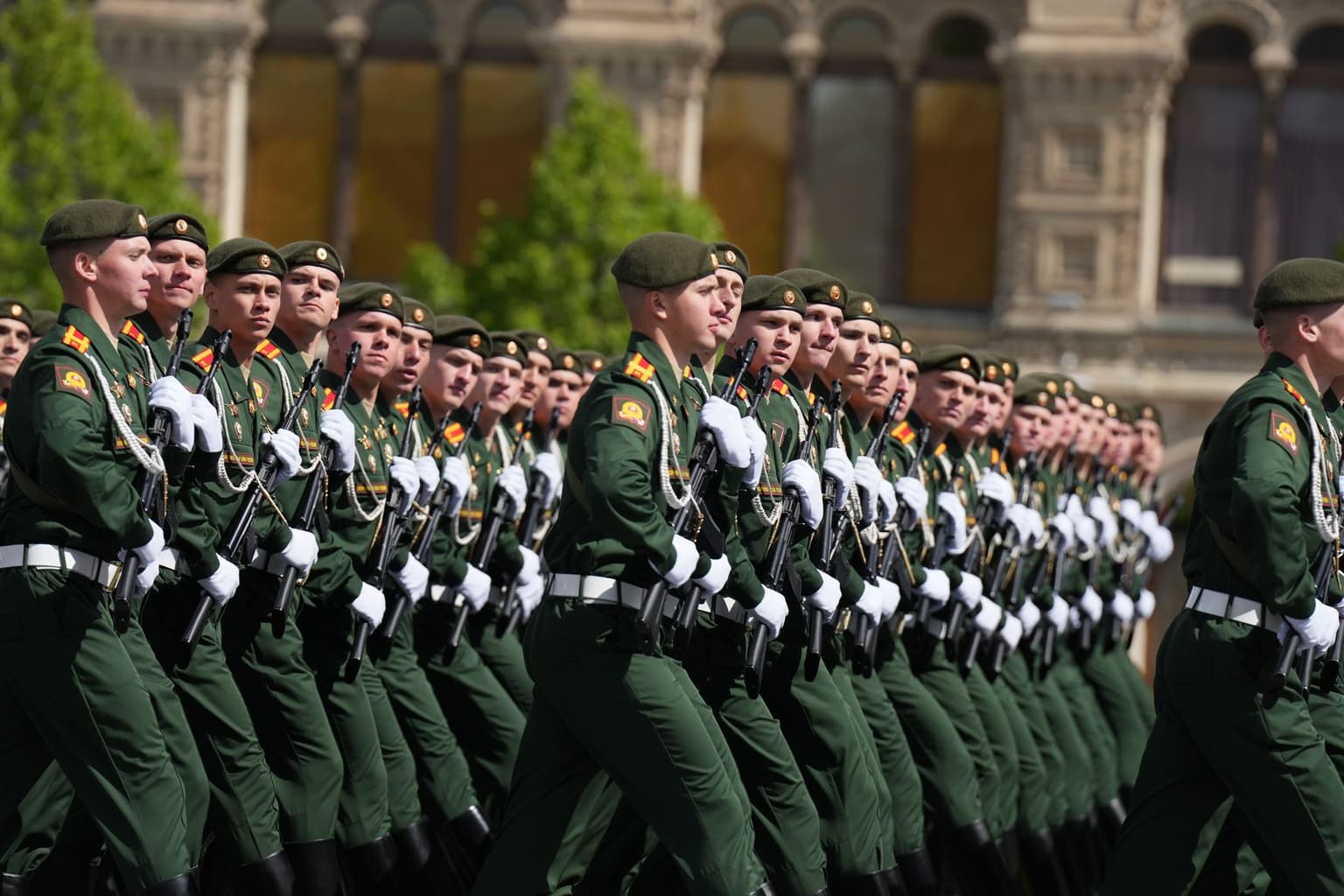
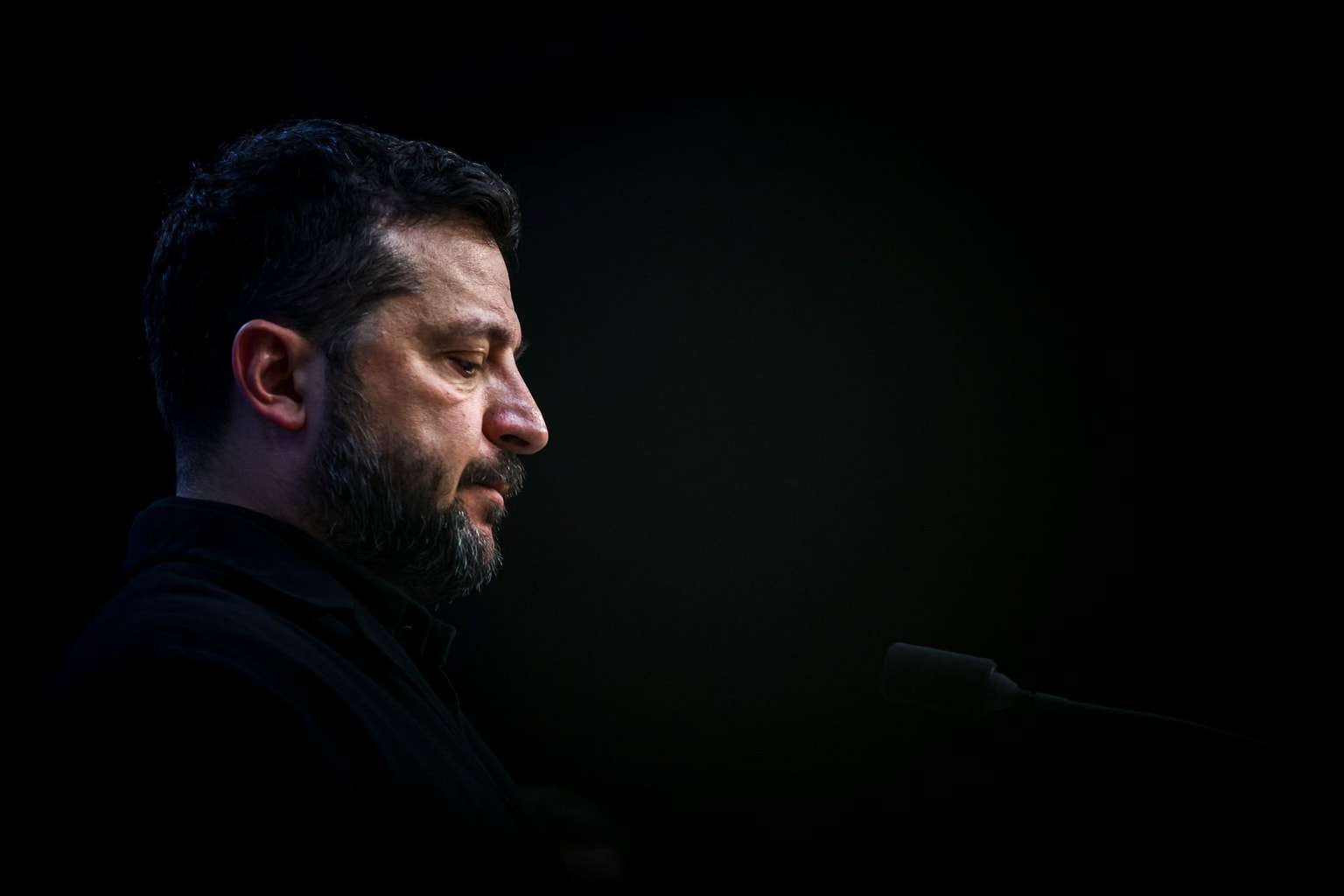
Russia suffered its highest monthly losses since the start of the full-scale invasion, with more than 35,000 killed or wounded in Ukraine in March, President Volodymyr Zelensky said on April 3.
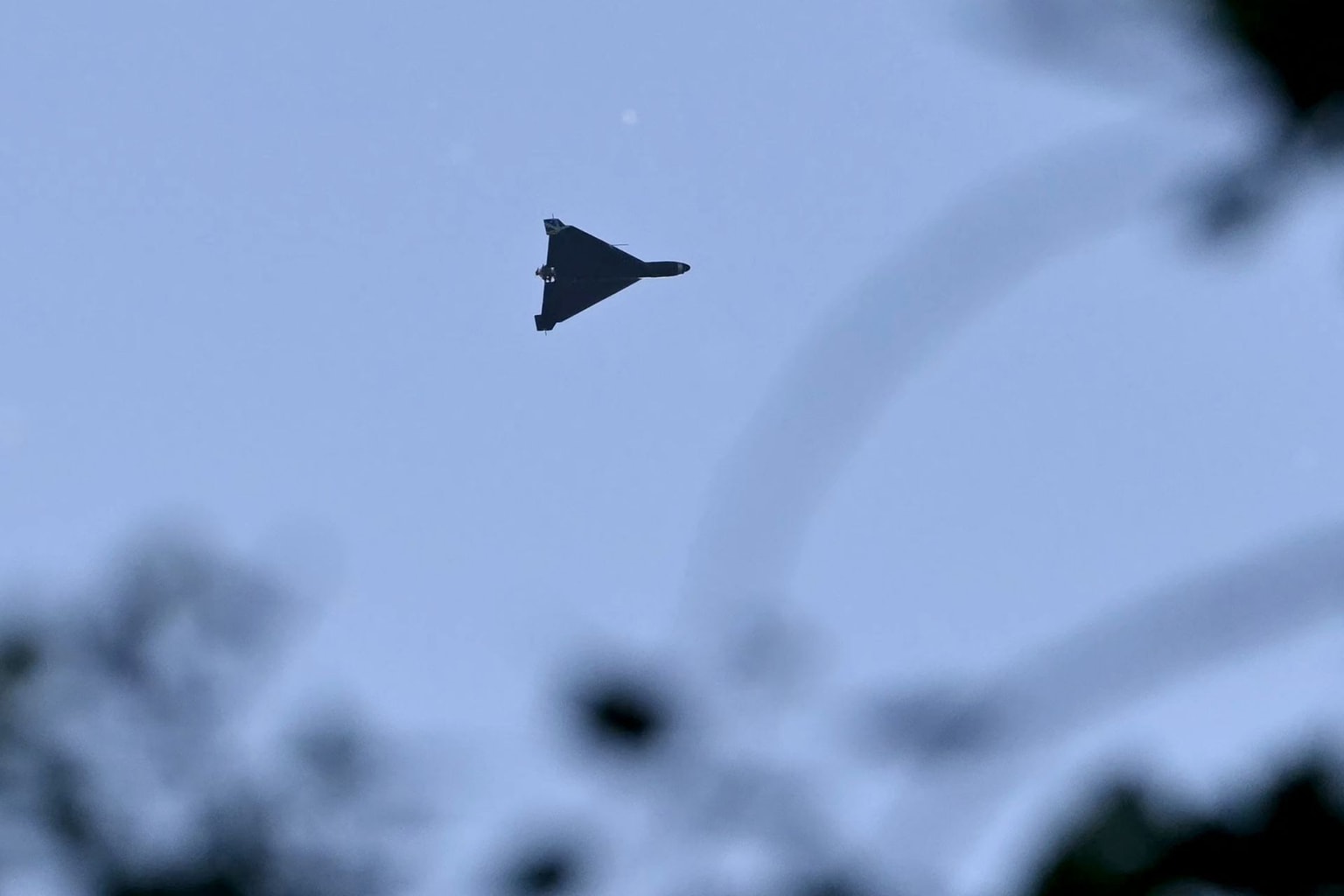
"Russian losses this March have reached their highest level since the start of the war," Zelensky said in a post on social media, adding: "Our drone strikes alone resulted in 33,988 Russian servicemembers killed or seriously wounded, while artillery and other strikes eliminated another 1,363 Russian occupiers."
"That means more than 35,000 Russian losses in just one month — and these are clearly verified losses."
The statement comes as Russian forces intensify their offensive on the southeastern front with the arrival of spring, as warmer weather creates more favorable conditions for active combat operations.
Zelensky said Ukraine has video evidence of each casualty among the more than 35,000 Russian soldiers reported killed or wounded.
"We have clear and verified reports on every front and across all categories of casualties. We are ready to provide the relevant data to our partners," Zelensky said after a meeting with Defense Minister Mykhailo Fedorov.
The president also highlighted units that have been particularly "effective" in drone warfare, including the Security Service of Ukraine's Special Operations Center "A," the "Madyar's Birds" unit, the "Phoenix" border guard special unit, Lazar's Group, and the 95th Separate Airborne Assault Brigade.
Speaking to journalists on April 3, Zelensky also said that, according to British intelligence, the battlefield situation is currently the most favorable for Ukraine in the past 10 months.
Ukraine launched a counteroffensive in late January in the Oleksandrivka sector, in the southeast, where Dnipropetrovsk, Zaporizhzhia, and Donetsk oblasts converge.
Ukrainian forces have regained control of more than 450 square kilometers (174 square miles) of territory over more than two months of operations, Ukraine's Commander-in-Chief Oleksandr Syrskyi said.
Ukraine's gains on the front line have also faced criticism from activists over the heavy casualties caused by allegedly reckless assaults.
Emil Kastehelmi, a military analyst with the Finland-based Black Bird Group, expressed doubts about further Ukrainian advances, saying the "roughly 400 (150 miles) square kilometres claim has been repeated many times already in the last few weeks."
"It seems that the momentum is gone. And it does not really seem that the Ukrainians have made much progress beyond what they achieved in February and early March," Kastehelmi added.
Yet the analyst said that in the gray zone where fighting continues, it is difficult to determine who actually controls the territory.
"It could be safer to say that the Russians do not exactly control that area now either, even though it was already at least partially in their rear just like over two months ago," he said.