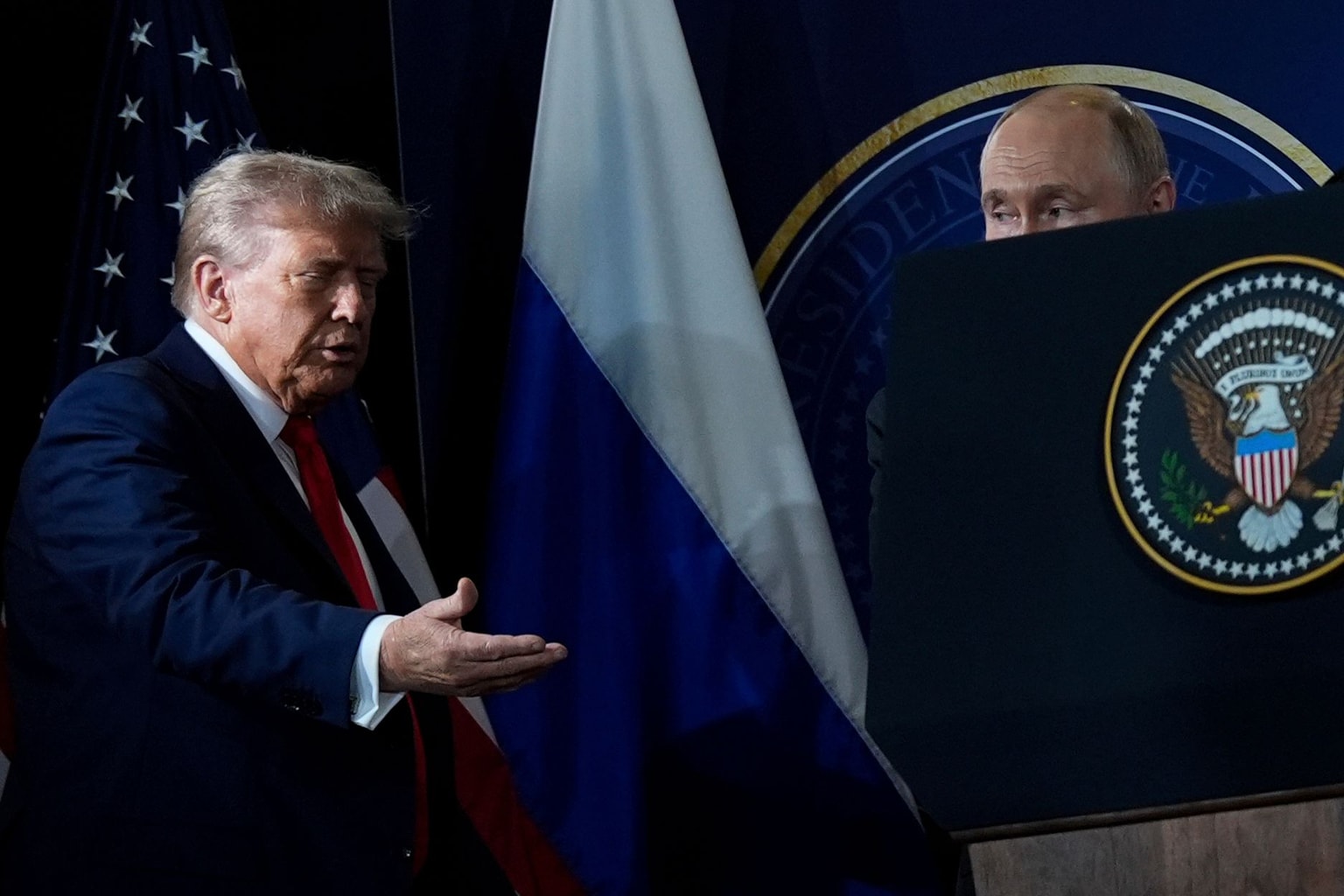
Putin casts doubt on resuming Ukraine talks, citing mass drone attack during Russian election
 on Google
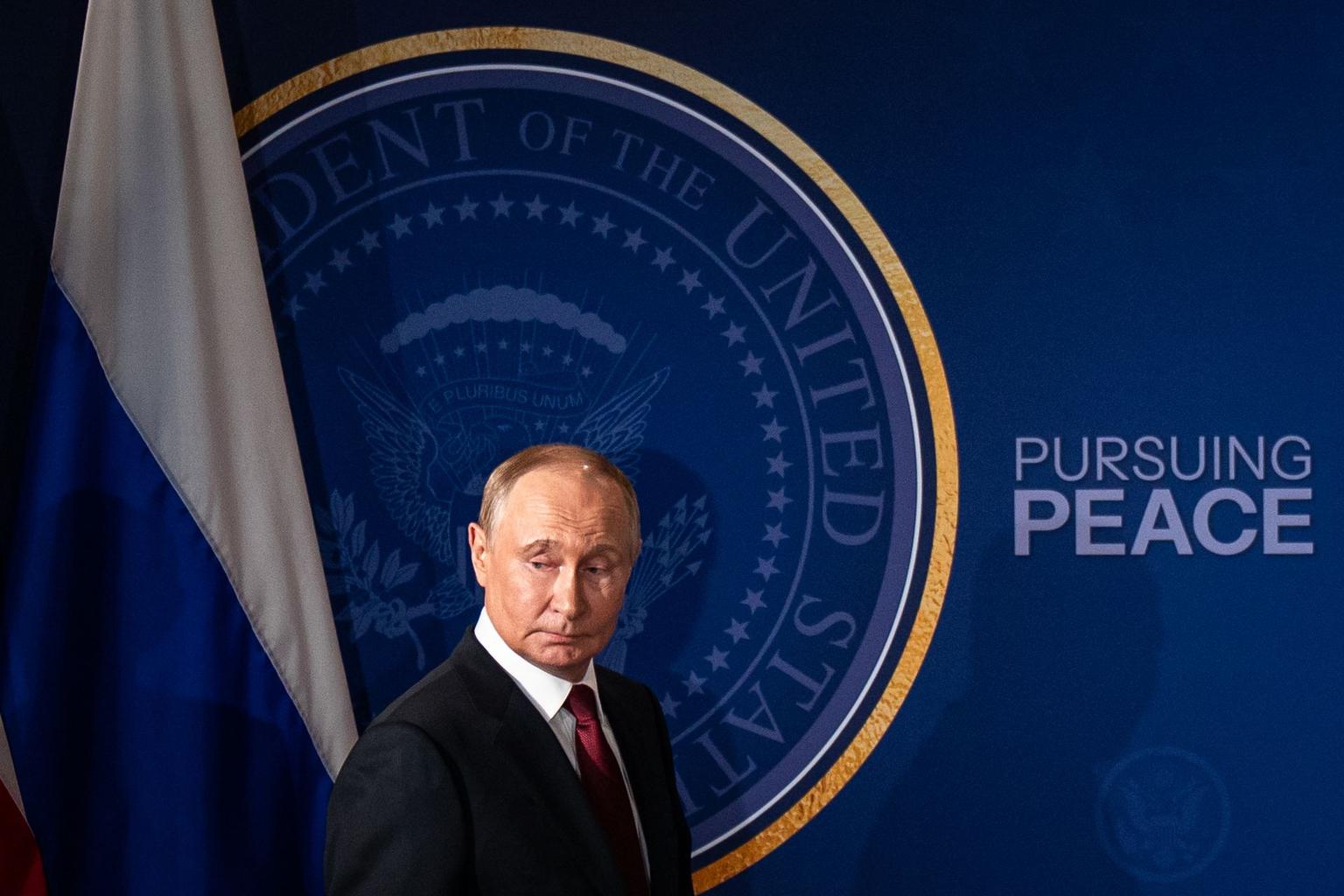
Russian President Vladimir Putin said on Sept. 25 that Moscow would reconsider whether to resume negotiations with Ukraine, citing a large-scale Ukrainian drone attack on the Moscow region and alleged strikes on election-related sites during Russia’s parliamentary vote.
Putin said Russia had been prepared to return to talks after the Sept. 18-20 State Duma election, but claimed the attacks had changed Moscow’s calculus.
"After everything they have done, we will think carefully about what we need to do," Putin said, adding that any decision on renewed negotiations would be based on what he described as Russia’s interests.
Putin claimed that more than 1,600 Ukrainian drones had entered the Moscow area during the night of Sept. 19-20. Russian officials’ own earlier account was narrower: Moscow Mayor Sergei Sobyanin said the drones had been intercepted "on all frontiers," with 450 shot down while approaching Moscow. Those figures have not been independently verified.
The attack was nevertheless the largest reported Ukrainian drone assault on Moscow since the start of Russia’s full-scale invasion. Russian authorities reported three deaths in the Moscow region, damage to residential buildings, and strikes on the Moscow Oil Refinery.
The refinery subsequently halted crude processing after both of its primary processing units were damaged, industry sources told Reuters.
Putin also accused Ukraine of deliberately attacking polling stations and election officials. Russian election authorities said dozens of buildings housing election commissions were damaged during the voting period, including in Russian-occupied regions of Ukraine, but Moscow’s claims that the attacks were intended specifically to disrupt the election have not been independently verified.
Russia held voting in occupied parts of Donetsk, Luhansk, Zaporizhzhia, and Kherson oblasts during the election. Ukraine and its Western partners have rejected Moscow’s organization of elections on occupied Ukrainian territory as illegal.
Putin also claimed that the effectiveness of subsequent Russian strikes had prompted Kyiv to seek a ceasefire covering energy facilities and aerial attacks.
That claim omits that Ukraine had publicly expressed willingness to enter a reciprocal energy ceasefire before the Sept. 19-20 Moscow attack. On Sept. 14, President Volodymyr Zelensky said Ukraine would support a U.S.-proposed halt to attacks on energy infrastructure if Washington could ensure that Russia would abide by the same restrictions.
Zelensky reiterated that position after meeting U.S. President Donald Trump in New York on Sept. 22.
“We are ready for any kind of format of energy ceasefire,” Zelensky said, provided Russia also stops attacking Ukraine’s electricity, heating, and other energy infrastructure.
Putin also repeated Moscow’s longstanding claim that Ukraine was responsible for ending peace negotiations held in Istanbul in 2022.
The talks did not result in a final agreement and broke down amid unresolved disputes over Ukraine’s security guarantees, the size and capabilities of its military, territorial issues, Russia’s retreat from northern Ukraine, and revelations of killings in Bucha.
In separate remarks, Putin rejected warnings from European governments about a potential future confrontation with Russia, saying Moscow was not preparing for military action against Europe and describing such warnings as provocation.
European officials have recently warned primarily of an intensifying Russian hybrid campaign involving sabotage, cyberattacks, drone incursions, and other covert operations. At the same time, officials said they did not currently assess a direct Russian military attack on NATO as imminent.
Russia has previously denied having plans to attack neighboring countries. In the days immediately before its February 2022 full-scale invasion of Ukraine, the Kremlin repeatedly dismissed Western warnings that Moscow was preparing an invasion.