Macron cites 'several signs' Russia preparing to mobilize 300,000 people
 on Google

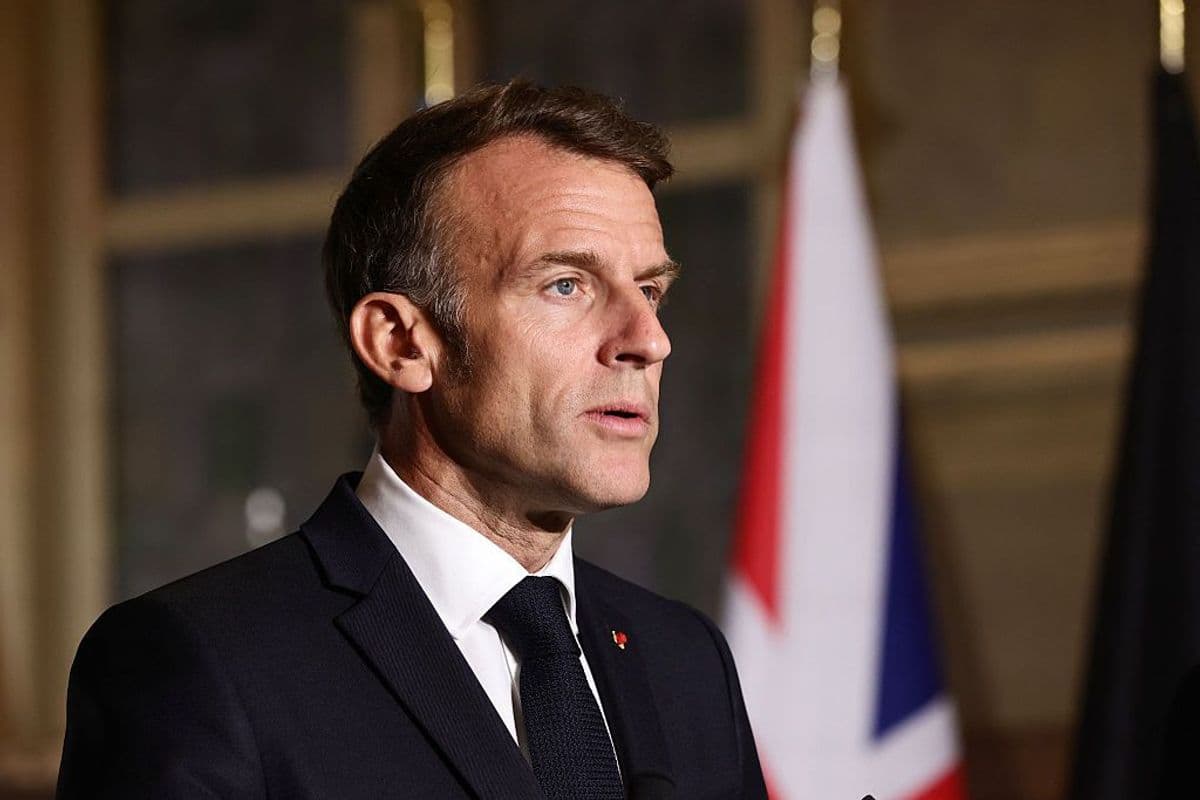
French President Emmanuel Macron said Russia was showing "several signs" of preparing for mobilization following elections, in an interview with TF1 and France 2 on Sept. 24.
"There have indeed been several reports shared by European and American intelligence services, as well as by our Ukrainian friends," Macron said in response to a question about the prospect of a further round of Russian mobilization.
His remarks came after Ukraine's Presidential Office warned in August that Russia could be preparing to call up 600,000 people over 2026 and 2027, amid growing public dissatisfaction with the war and a decline in the number of people willing to enlist voluntarily.
In a statement summarizing a briefing by intelligence officials on Aug. 27, the office said Russia planned to mobilize 300,000 people in 2026 and another 300,000 in 2027.
Macron claimed the Kremlin had been waiting to hold elections before launching another wave of mobilization. "They took place. And now it's clear that Russia will do it. The question is whether it will announce it or do everything without a public announcement", Macron said.
Macron called reports that Russia was preparing to mobilize a further 300,000 soldiers "plausible," claiming there have been "several signs that Russia is organizing for this."
"And indeed, the plausible scenario that is frequently being discussed today is around 300,000 men," Macron said.
"The signal Russia is sending today is that we are prepared to make even greater sacrifices in order to seize the entire Donbas," he said.
Russia has relied on forced mobilization only once since launching its full-scale invasion of Ukraine. In fall 2022, Moscow announced a call-up as a series of successful Ukrainian counteroffensives put increasing pressure on Russian defensive positions.
The announcement prompted hundreds of thousands of Russians to leave the country, with long queues forming at border crossings, particularly along the border with Georgia.
Since then, President Vladimir Putin has sought to avoid another large-scale mobilization, which could undermine his carefully cultivated image as a guarantor of stability and strength for Russians who have largely remained disengaged from politics and the war.
Instead, the Kremlin has leaned on substantial enlistment bonuses to attract contract soldiers, leaving regional authorities responsible for meeting demanding recruitment targets.
According to President Volodymyr Zelensky, the 300,000 additional troops would supplement Russia's existing recruitment efforts. They could be deployed to reinforce Moscow's main offensive around the fortified cities of Donetsk Oblast or to open new fronts elsewhere, including along Ukraine's northern border.