The Kyiv Independent Live in London:

PM Shmyhal: Ukraine repairs most energy facilities hit by Russian attacks last year
 on Google
As of Aug. 13, Ukraine has repaired 80% of the main power grids and high-voltage stations damaged by Russian attacks to their pre-war condition, Prime Minister Denys Shmyhal reported.
He added that 62% of the planned repair work on power units has been completed at the country's thermal power stations. In addition, 32 units at the hydroelectric power stations have either been repaired or are undergoing repair work.
“We are preparing for winter," Shmyhal said. "We understand the high chances that the Russians will continue large-scale attacks on the energy system.”
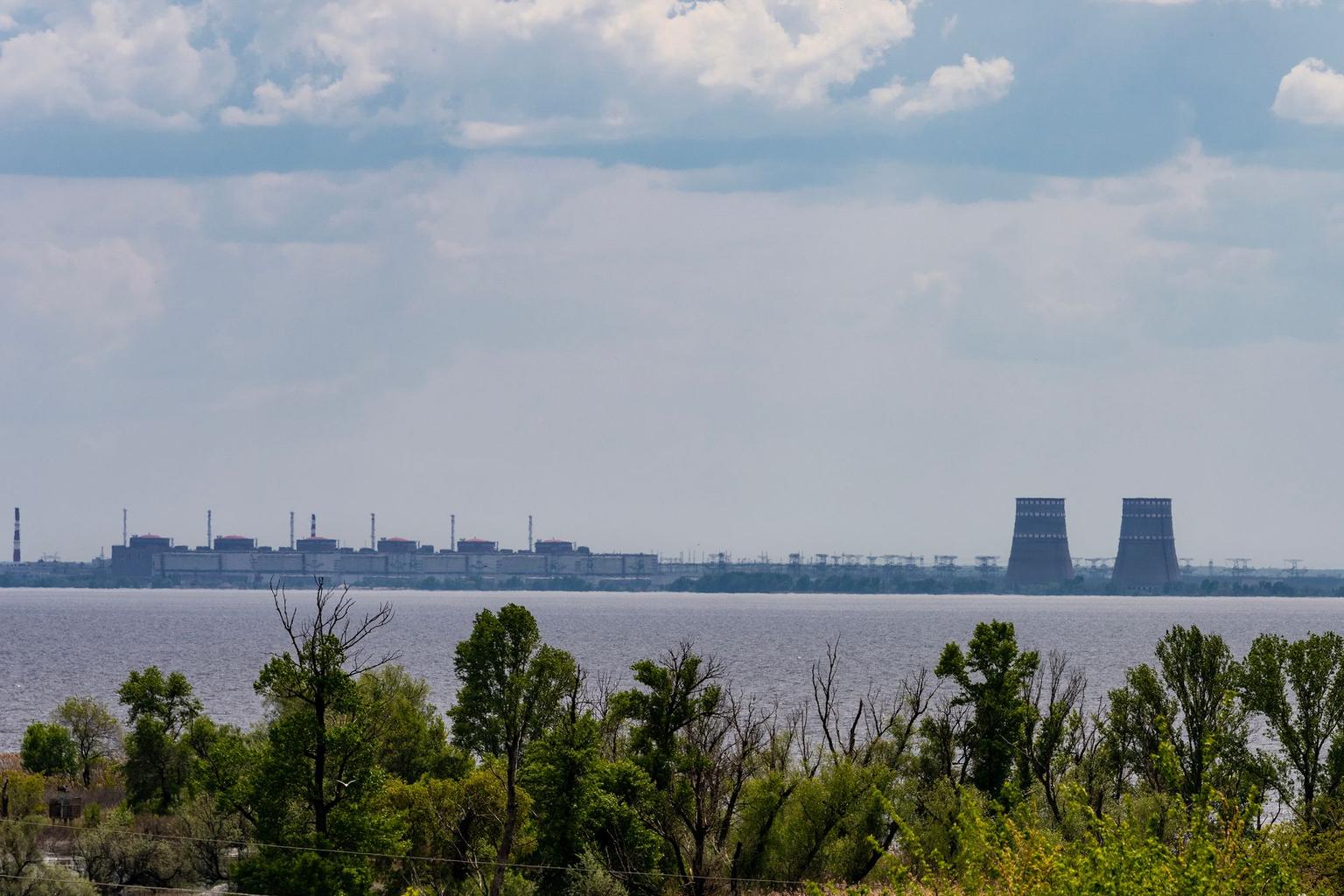
According to Shmyhal, five out of nine damaged power units at Ukraininan nuclear power plants have already been repaired.
“The repair campaign is going in accordance with the plan. We are creating multi-level protection for energy facilities,” Shmyhal said.
In November of last year, Russia severely hit almost half of Ukraine’s energy system. On Nov. 15 alone, the Russian military launched about 100 missiles targeting energy infrastructure in Kyiv and 10 regions across the country.