Kyiv says 'mask has slipped' after Hungarian minister admits link between seized Ukrainian cash, Druzhba
 on Google

Editor's note: The story has been updated with the latest details
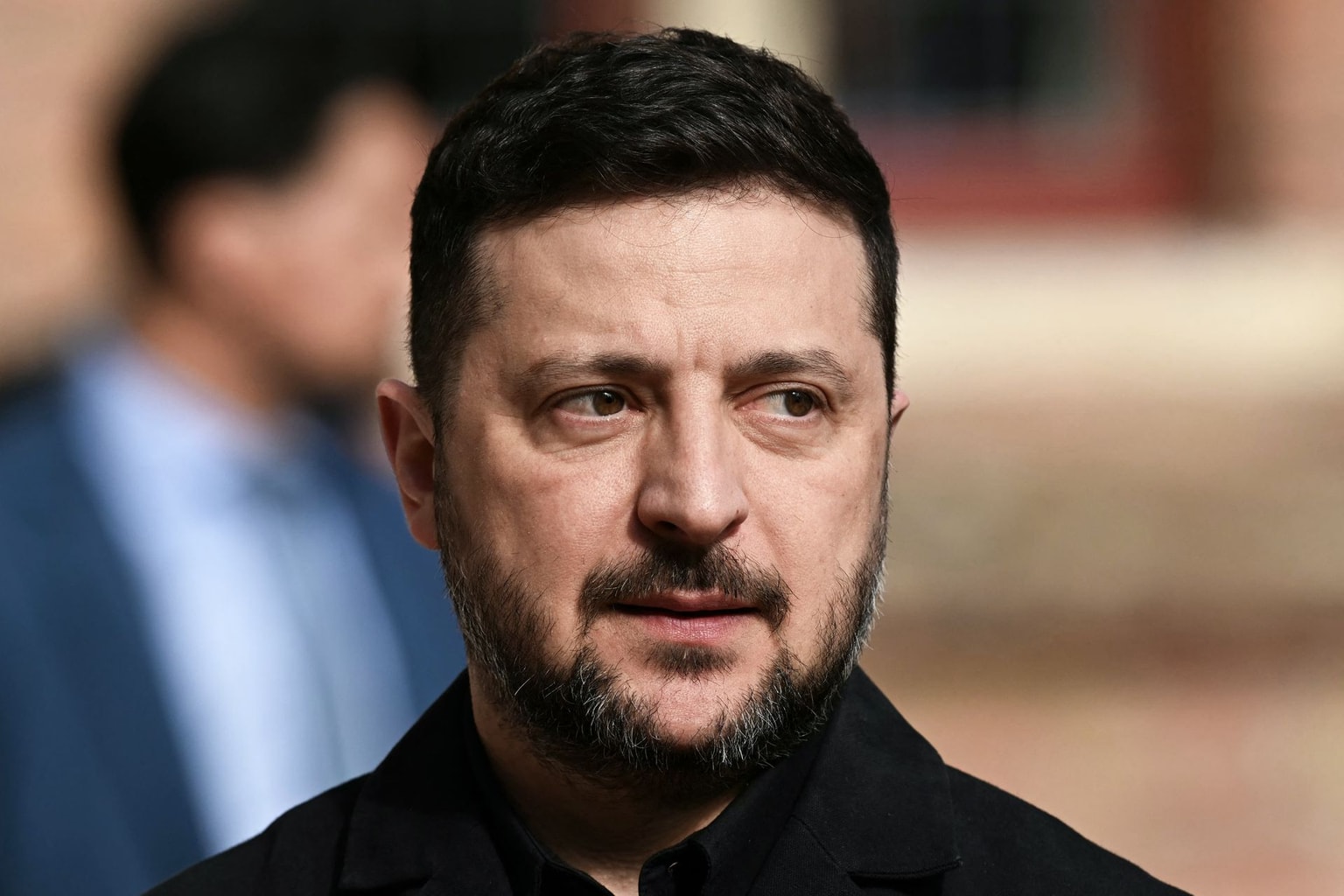
Hungary has openly confessed to using the seized shipments of Ukrainian cash and gold to blackmail Kyiv, Ukraine's Foreign Minister Andrii Sybiha said on March 10, reacting to recent comments by a Hungarian official.
Janos Lazar, Hungary's construction and transport minister, has openly acknowledged a connection between the seizure of over $80 million worth of Ukrainian cash and gold last week and the suspension of oil shipments via Ukraine.
"Because if we are being blackmailed, we can't be so stupid as to just let it happen," Lazar said at an event on March 9.
"We will not give the money back to (Ukraine); for now, the money will stay here. We are waiting to see when the oil pipeline will reopen, and we are waiting for the next Ukrainian money transfers to pass through Hungary."
The Druzhba pipeline, which carries Russian crude to Hungary and Slovakia, has been offline since late January after a Russian strike damaged energy infrastructure in western Ukraine, according to Kyiv.
Budapest and Bratislava accuse Ukraine of deliberately halting transit.
"The mask has slipped. Hungary's officials do not hide their blackmail anymore," Sybiha said in reaction to Lazar's comments.
"They openly confess to taking hostages and stealing money with the aim of demanding ransom."
Hungarian Prime Minister Viktor Orban ordered the government to hold cash and gold seized from the Ukrainian bank for up to 60 days amid an ongoing investigation, the Associated Press (AP) reported on March 10, citing a decree.
Hungarian authorities seized two vehicles belonging to Ukraine's Oschadbank state bank on March 5 while they were carrying $40 million, 35 million euros, and 9 kilograms of gold from Austria to Ukraine via Hungary.
Seven bank employees were detained before being expelled on March 6. According to Ukraine's Foreign Ministry, Hungarian authorities subjected them to "physical and psychological pressure."
Budapest, whose government is broadly regarded as the most Moscow-friendly in the EU, linked the shipment's detention to suspicions of money laundering.
Kyiv has denounced the move as "state terrorism" and demanded the return of the funds. The episode marks further escalation in already strained relations between the two neighbors.
Orban has tasked the Hungarian tax and customs authority to determine the origin and purpose of the detained shipments and probe possible links between the expelled Ukrainians and "criminal or terrorist organizations," according to the decree signed on March 9.
The probe is also meant to determine whether the shipment was meant to benefit "Hungarian criminal organizations, terrorist organizations present in Hungary, or political organizations."
The news came after Lazar alleged that the government has evidence of Ukraine aiding the opposition Tisza Party, which is leading Orban's Fidesz in polls ahead of the April parliamentary elections.
Orban's government has repeatedly accused Peter Magyar's Tisza of collusion with Kyiv, without providing evidence.
Oschadbank denied any links to the Hungarian opposition and said that the vehicles were carrying out a routine transfer from Austria's Raiffeisen Bank to Kyiv.
According to the Ukrainian state bank, cash transfers via land have been a common practice since Russia's all-out invasion of Ukraine in 2022 forced the closure of the skies.
Fidesz on March 9 submitted a bill to the parliament to approve the seizure of the Ukrainian cash and gold until the conclusion of the investigation.
"Hungary is falling down a spiral of lawlessness," Sybiha commented earlier. He called the proposed bill a "de facto recognition that Hungary's actions lack any legal grounds."