Iran threatens to shut Strait of Hormuz if US naval blockade persists
 on Google
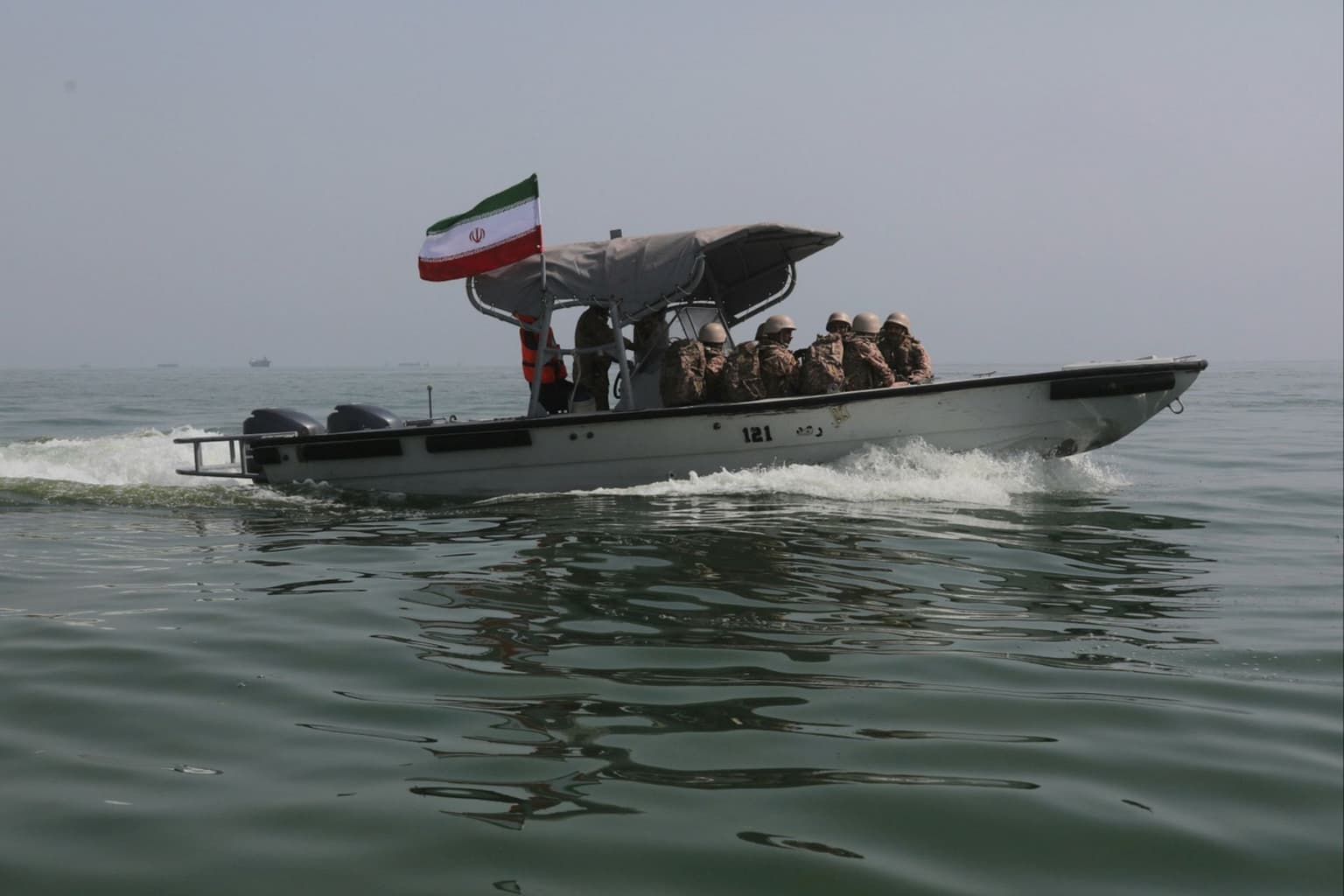
Iran signaled on April 17 that access through the Strait of Hormuz remains conditional, despite earlier claims that the key shipping route was open.
Iranian authorities said that vessels transiting the strait must not be affiliated with the U.S. or Israel, including any cargo linked to the two countries.
Tehran also warned that it could close the Strait of Hormuz again if the U.S. continues its naval blockade, which Iranian officials say would violate the terms of the ceasefire.
“If the maritime blockade continues, it will be considered a violation of the ceasefire, and the transit route through the Strait of Hormuz will be closed,” Iranian news agency FARS reported, citing an unnamed Iranian official.
The comments come after U.S. President Donald Trump said the naval blockade of Iranian ports would remain in place, even as he declared the strait open for commercial shipping.
Earlier on April 17, oil prices fell sharply after Iran’s foreign minister said the Strait of Hormuz was “completely open” to commercial shipping following a ceasefire between Israel and Lebanon.
The statement came almost 10 days after a strained ceasefire deal was reached by the U.S., Israel, and Iran on April 8.
The conflicting statements point to a fragile situation, where the strait is nominally open but effectively restricted, raising renewed uncertainty over its status.
Roughly 20% of the world's oil and liquefied gas usually flows through the strait every day, stoking fears that an extended closure could cause a severe global energy crisis.
Brent crude oil, a widely used global benchmark, rose to near $120 a barrel in March, prices last seen in 2022 after Russia's full-scale invasion of Ukraine.
The war in the Middle East has benefited Russia, boosting its revenues through higher energy prices and increased demand for its oil and gas after the U.S. temporarily lifted global sanctions on Russian oil purchases. The waiver expired on April 11.