Iran's top security chief Ali Larijani killed in airstrike, state media says
 on Google
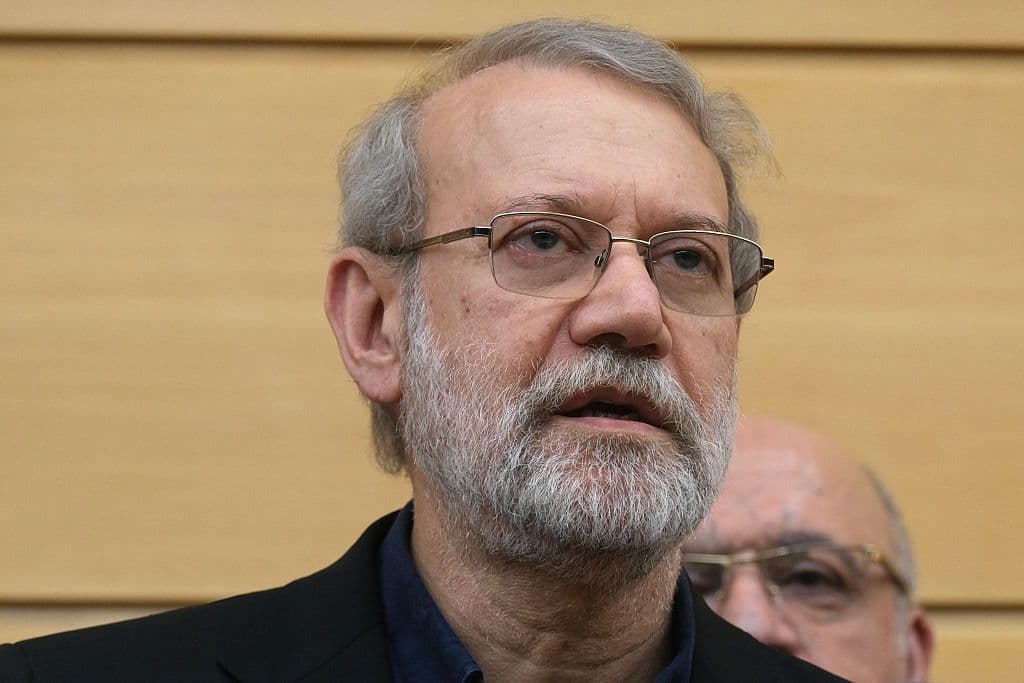
Iran's top security chief, Ali Larijani, a powerful figure in the Islamic Republic and close adviser to the country's late supreme leader, was killed in an Israeli airstrike, Iranian state media confirmed March 17.
Larijani's son, Morteza Larijani, was also killed in the strike, along with Alireza Bayat, the deputy secretary for security affairs at Iran's Supreme National Security Council, the reports said.
Earlier in the day, Israel's defense minister claimed Larijani had been killed in an Israeli strike, before Iranian state media officially confirmed his death.
Larijani, 67, was one of the most influential figures in Iran's political and security apparatus. He served as a former speaker of parliament and secretary of Iran's Supreme National Security Council, helping shape the country's security policy.
A longtime confidant of Ali Khamenei, Larijani remained a key adviser until Khamenei was killed in an Israeli airstrike at the start of the U.S.-Israeli war on Iran on Feb. 28.
In recent months, Larijani was reportedly involved in overseeing the government's response to nationwide protests that shook Iran late last year and earlier this year. He was widely seen as a key architect of the violent crackdown, in which Iranian authorities killed thousands of civilians, according to human rights groups.
He also acted as a key diplomatic liaison with allies, including Russia, as well as regional partners such as Qatar and Oman.
Before the outbreak of the current conflict, and amid rising tensions, Larijani traveled to Moscow on Jan. 30 for talks with Russian President Vladimir Putin. The Kremlin said discussions focused on regional and international issues, along with bilateral cooperation. During the ongoing conflict, Russia has been reportedly providing intelligence to Iran used to target American forces.
Larijani also served as Iran's chief negotiator in nuclear talks with Washington. At the onset of the U.S.-Israeli war on Iran, he said Tehran was unwilling to negotiate with the United States to end the conflict.