US, Israeli missiles strike Iran — here's what it means for Russia
 on Google

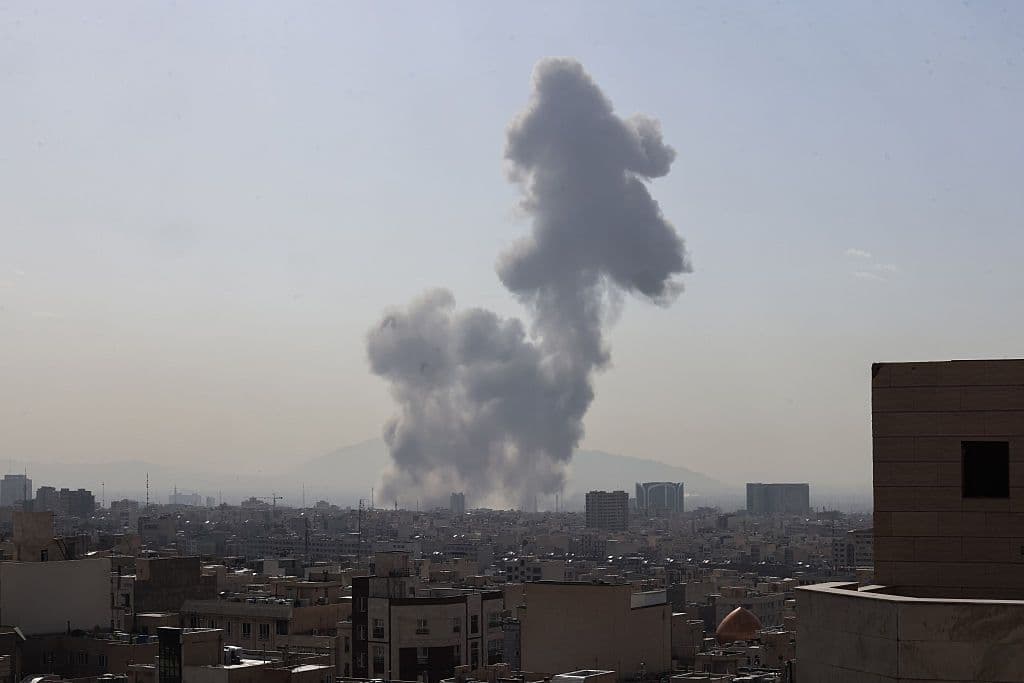
Update: Trump says Iran's Supreme Leader is dead.
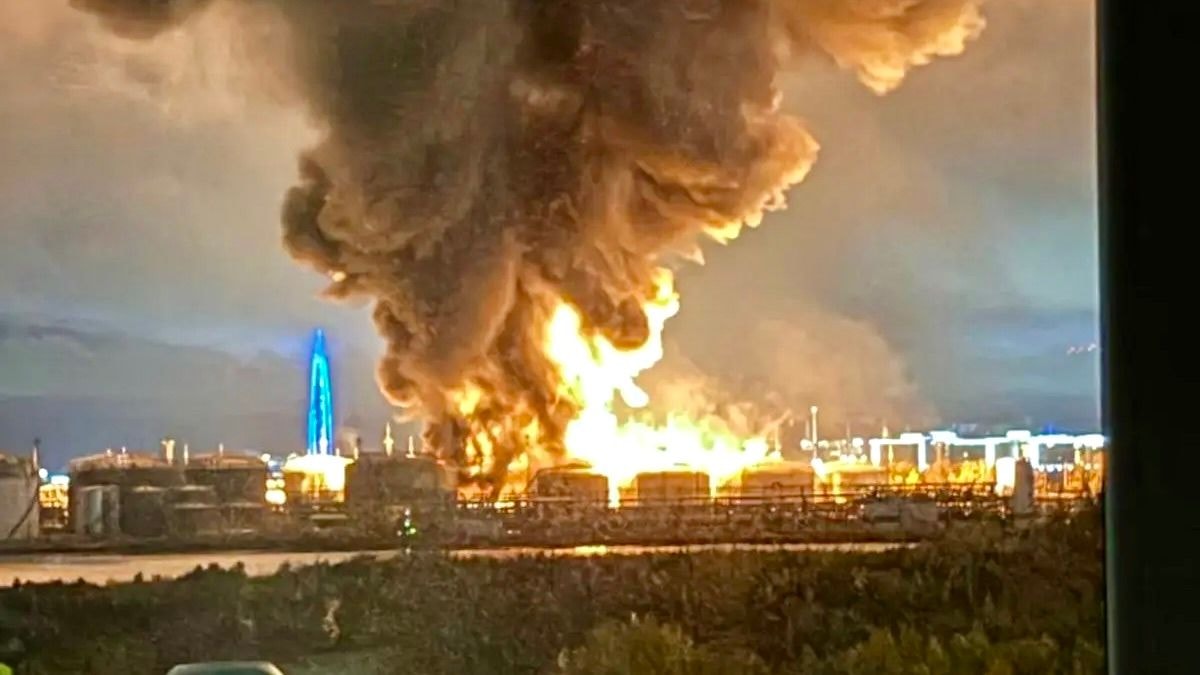
Israel and the United States launched an attack against Iran on Feb. 28, with U.S. President Donald Trump confirming American involvement.
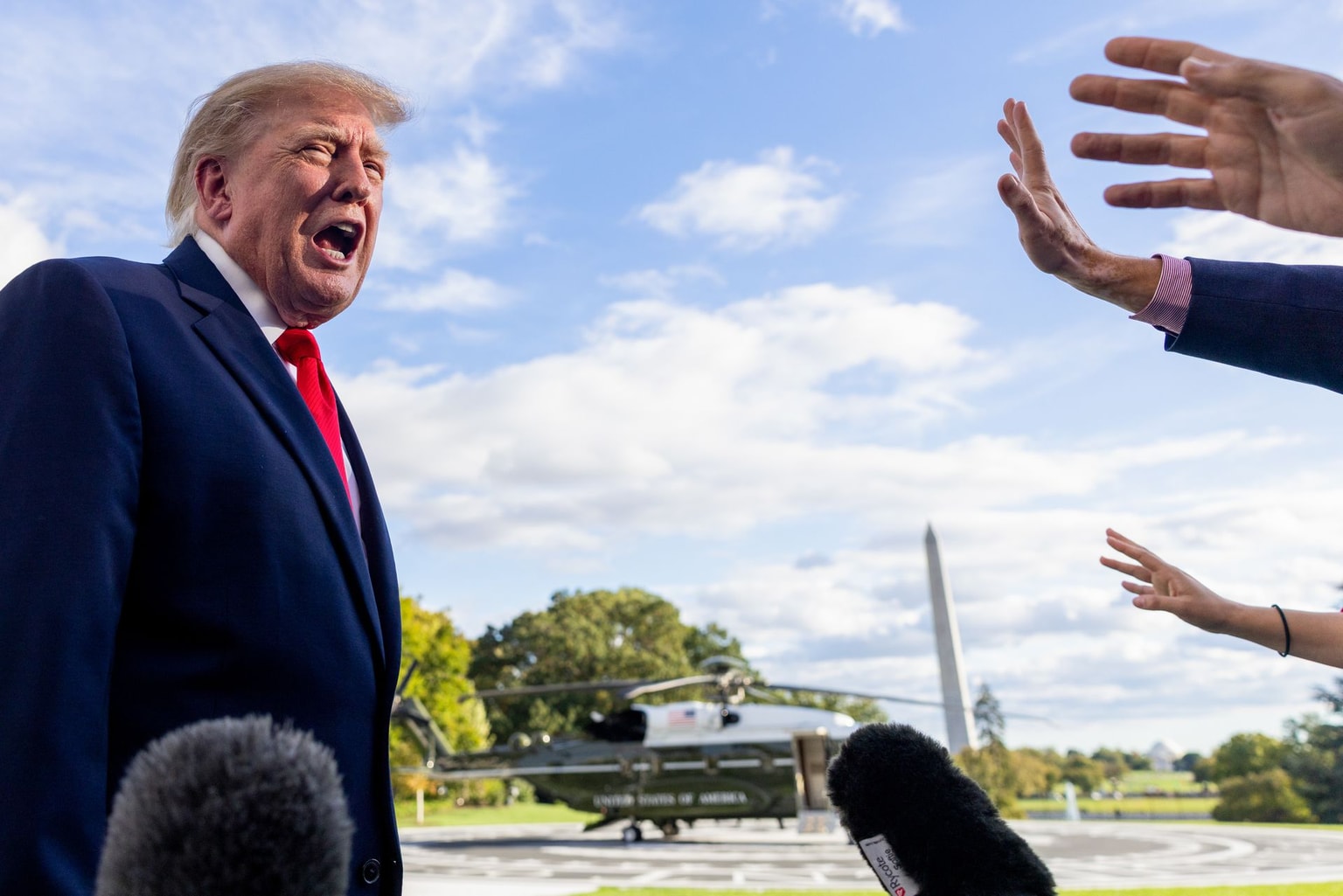
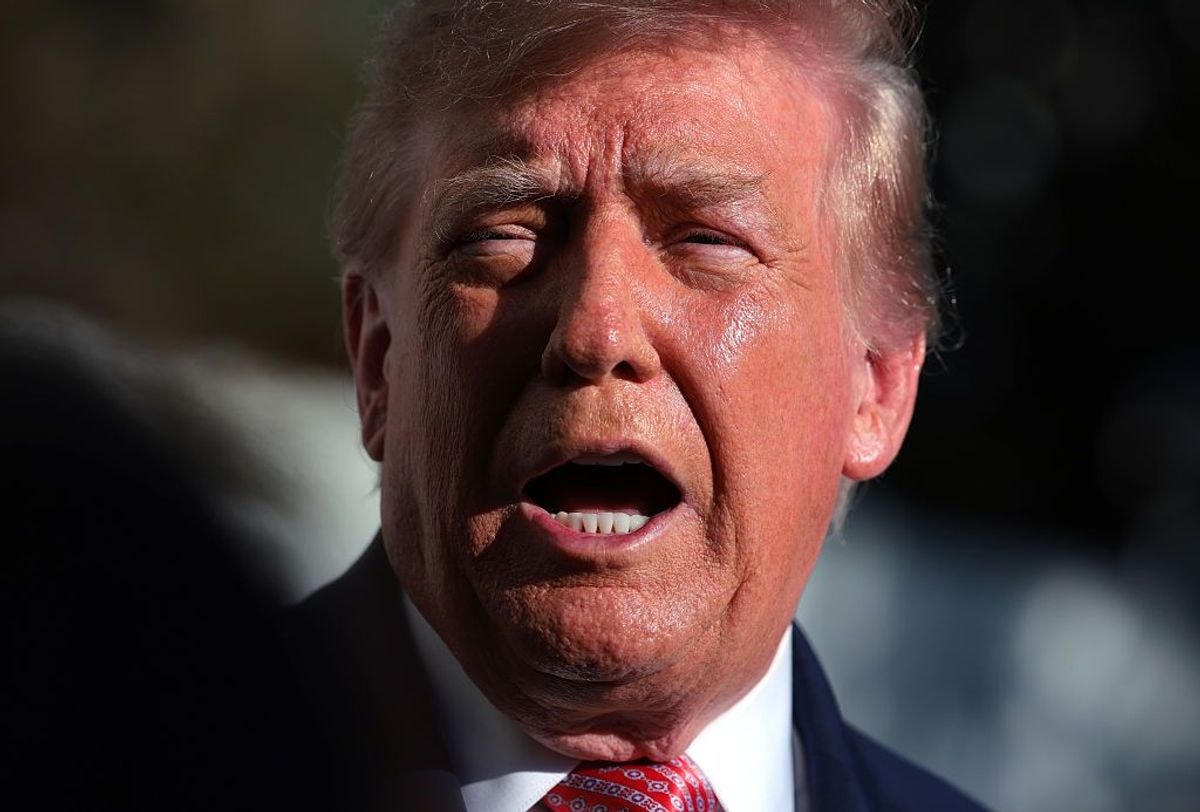
"Our objective is to defend the American people by eliminating imminent threats from the Iranian regime," Trump said in a video. He added that Washington aims to "destroy their missiles" and "annihilate their navy," calling the operation a "noble mission."
The strikes mark a sharp escalation in tensions between the U.S., Israel, and Iran, raising the risk of a broader regional conflict.
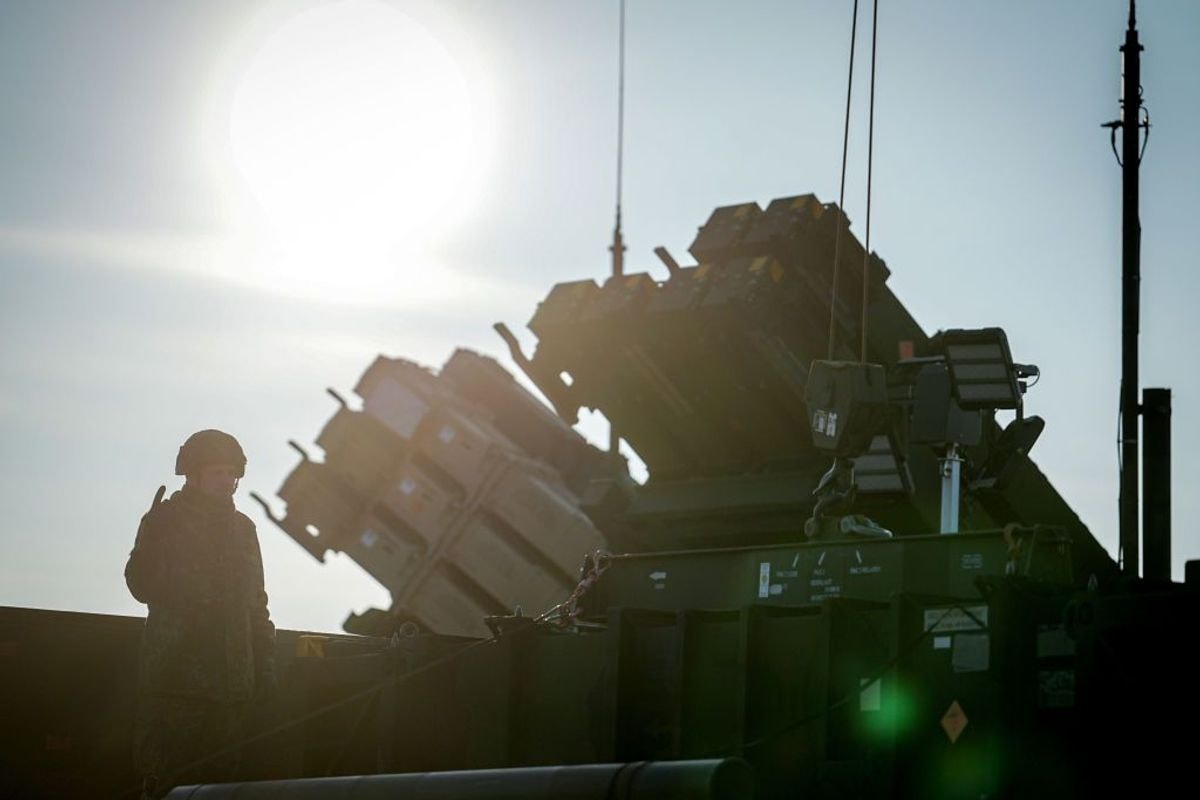
Israel deployed about 200 fighter jets for what it called its largest-ever military flyover. The U.S. military said it had used precision munitions launched from air, land, and sea to target Iran's military sites.
The U.S. Central Command also reported for the first time deploying low-cost one-way attack drones, a tactic broadly used by both sides in the Russia-Ukraine war.
Iran has launched a wave of retaliatory strikes targeting U.S. military bases across the Middle East, hitting facilities in Gulf Arab states that host American forces.
Ukraine signaled political backing for the operation. The Foreign Ministry said the "regime in Tehran had every opportunity to prevent a violent scenario."
Russia condemned the strikes, with its Foreign Ministry describing them as "an unprovoked act of armed aggression against a sovereign and independent state" — despite Moscow's own unprovoked invasion of Ukraine.
The ministry also accused the U.S. and Israel of driving the region toward "a humanitarian, economic, and possibly even a radiological disaster."
Russian Foreign Minister Sergey Lavrov later spoke by phone with his Iranian counterpart, Abbas Araghchi, and floated Moscow as a potential mediator — positioning Russia, even as it continues its own war on a neighboring country, as a broker of peace.
The lead-up to conflict
The attacks follow a major U.S. military buildup in the Middle East, with Washington deploying warships and aircraft while evacuating some non-essential embassy personnel from the region.
The escalation also came after U.S.–Iran talks in Geneva on Feb. 26 — part of the Trump administration's effort to secure a deal curbing Tehran's nuclear program — ended without a breakthrough.
The U.S. previously conducted air strikes on Iranian nuclear sites in June 2025.
Trump also urged Iranian citizens in his video message on Feb. 28 to seize the "opportunity" presented by the military operation to overthrow the Iranian government.
"This will be probably your only chance for generations," he said. "For many years, you have asked for America's help, but you never got it. No president was willing to do what I am willing to do tonight. Now you have a president who is giving you what you want, so let's see how you respond."
The strikes open a new and dangerous phase for Iran's Supreme Leader Ayatollah Ali Khamenei, whose grip on power has already been weakened by nationwide unrest and a violent crackdown that authorities now acknowledge has killed thousands.
"Should Iran decide not to make a Deal, it may be necessary for the United States to use Diego Garcia, and the Airfield located in Fairford, to eradicate a potential attack by a highly unstable and dangerous Regime," Trump said on Feb. 18.
Recent days saw U.S. officials make unproven claims about Iran developing a missile capable of striking U.S. territory and having enough material to build a nuclear bomb within days.
During his State of the Union address on Feb. 25, Trump said he prefers a diplomatic solution but will "never allow the number one state sponsor of terrorism to have a nuclear weapon."
Trump previously encouraged Iranians protesting against the regime to intensify their actions, urging them to seize government buildings and promising U.S. support.
"Iranian Patriots, keep protesting — take over your institutions," Trump wrote on Jan. 13.
Since those encouragements, at least 6,100 and up to 30,000 people may have been killed during protests on Jan. 8–9 alone, according to NPR and Time, citing unnamed activists and officials from Iran's Health Ministry.
7,007 fatalities have been confirmed alongside 25,846 civilian injuries, and 53,777 arrests, the U.S.-based Iranian Human Rights Activist News Agency reported on Feb. 23.
The exact number of casualties remains unclear, as authorities shut down internet and mobile communications nationwide.
Beyond Iran itself, the potential collapse of the regime would carry far-reaching consequences for the Middle East and for Tehran's allies, including Russia.
From economic fury to regime crisis
Protests erupted across Iran in late December after the national currency collapsed and prices surged, further deepening economic hardship for ordinary Iranians.
Demonstrations quickly spread nationwide, evolving from economic grievances into something far more threatening to the regime. Protesters called not only for economic relief but for the overthrow of the current political system.
Many have openly demanded the return of Reza Pahlavi, the son of the shah toppled during the 1979 Islamic Revolution.
Iranian authorities have accused the United States and Israel of orchestrating the unrest — claims both countries have denied.

The protests represented the most serious internal challenge to Iran's clerical leadership in at least three years. They have unfolded against a backdrop of mounting external pressure, including Israeli and U.S. strikes last year targeting Iran's nuclear facilities.
Why Moscow is watching nervously
Iran remains one of Russia's most important allies, particularly since the start of Moscow's full-scale invasion of Ukraine. As President Volodymyr Zelensky has said, the Iranian regime "has brought so much evil to Ukraine."
Zelensky met with Pahlavi on the sidelines of the Munich Security Conference on Feb. 13, condemning cooperation between Moscow and Tehran.
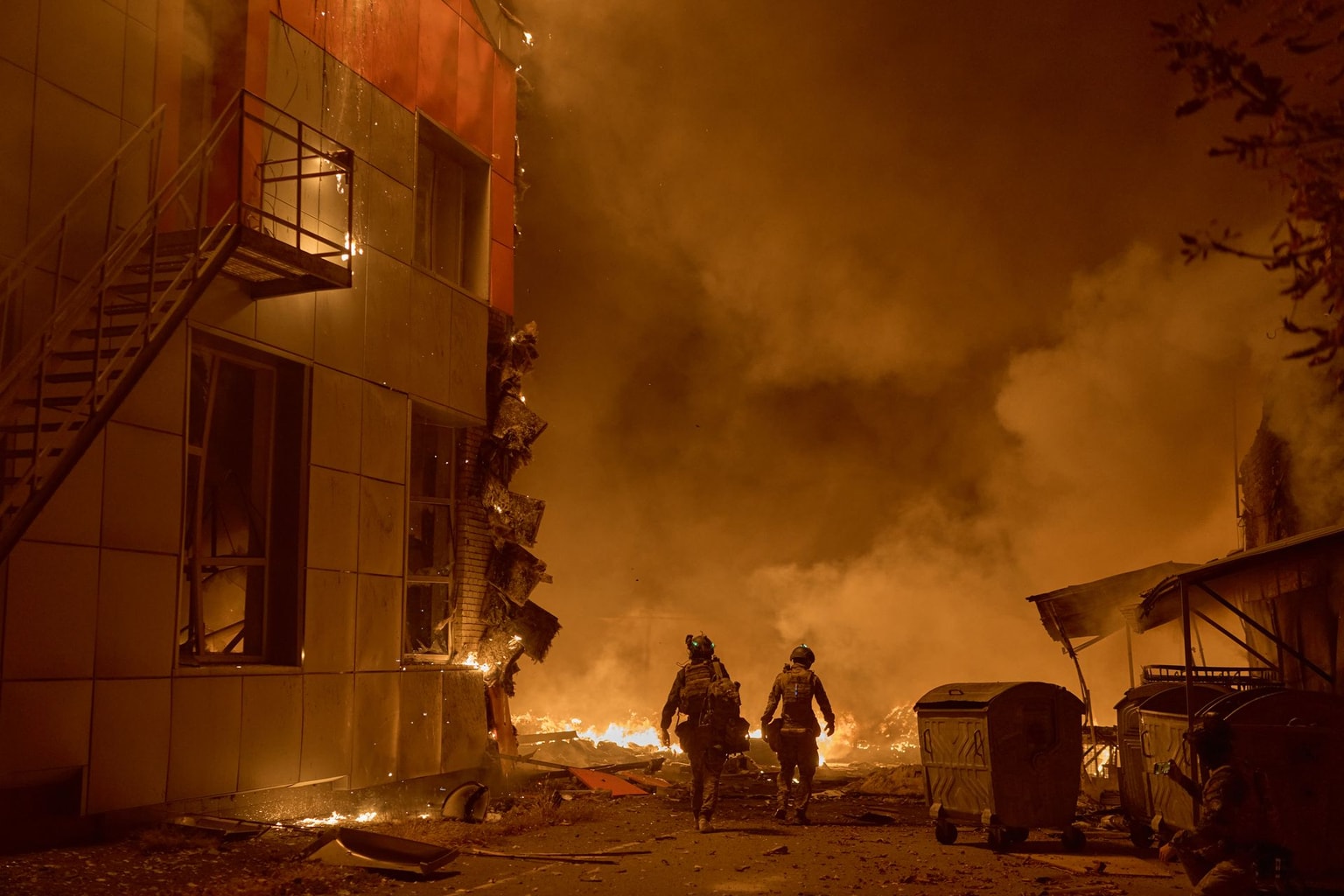
Tehran supplied Russia early in the war with Shahed-type attack drones, which Moscow later adapted into its own Geran-1 and Geran-2 models for relentless strikes on Ukrainian cities and critical infrastructure.
For the Kremlin, the timing of Iran's crisis couldn't be worse.
Iran could become the second major ally Moscow loses since the start of 2026, following the U.S. kidnapping of Venezuelan dictator Nicolas Maduro in early January.
The pattern of crumbling alliances threatens to leave Russia even more isolated.
Is the end really near?
Uncertainty surrounds Iran's political future, even as some Western leaders suggest the end may be imminent.
Experts, however, remain divided on whether the regime's demise is truly imminent.
"In general, it is premature to believe that the Iranian regime is about to fall," said Julian G. Waller, a lecturer in political science at George Washington University.
"It may do so, but the… strong, violent, and coercive measures are being employed by the regime on a mass scale to prevent such an outcome."
Waller said the outcome will depend on internal dynamics: defections among elites, the loyalty of the security services, and whether protests can be sustained over time.

Neil Quilliam, a Middle East expert at Chatham House, believes that even if the leadership is killed, the opposition is not in a position to sweep away the regime structures.
Those structures "are deeply rooted and institute its own well-honed political program," he told the Kyiv Independent.
What collapse would mean
The fall of Iran's leadership would represent a major geopolitical shock, opening a path for Iranians to pursue political freedom while sending shockwaves across the Middle East.
For Moscow, the consequences would be severe.
Ryhor Nizhnikau, a Russia expert at the Finnish Institute of International Affairs, described the fall of Iran's regime as "a major blow" for the Kremlin.
Iran is a strategic ally Russia cannot afford to lose, he said, adding that Moscow would likely do everything possible to prevent such an outcome.
The immediate damage, Nizhnikau argued, would be reputational.
Russian President Vladimir Putin's international standing would suffer further, reinforcing perceptions of weakness and undermining his efforts to project Russia as a power capable of shaping global events alongside Trump.
Elena Davlikanova, a senior fellow at the Center for European Policy Analysis, said the impact on Ukraine will depend on how power changes hands in Tehran.
If hard-liners consolidate control around security elites, she said, they may attempt to preserve — and renegotiate — military and technical cooperation with Russia in exchange for political backing and intelligence support.
"The change in Iran will not have an immediate or dramatic effect on the battlefield in Ukraine," Davlikanova said, though it could reshape alliances well beyond the region.
For now, Iran's future hangs in the balance. A crisis that began with economic desperation but has grown into an existential threat to the regime's four-decade grip on power.
Note from the author:
Hi, this is Tim. The author of this article. Thank you for taking the time to read it.
At the Kyiv Independent, we don't have a wealthy owner or political backing. We rely on readers like you to support our work.
If you found this article interesting, consider joining our community today.