Vance alleges Ukraine's intelligence meddles in US, Hungarian elections
 on Google
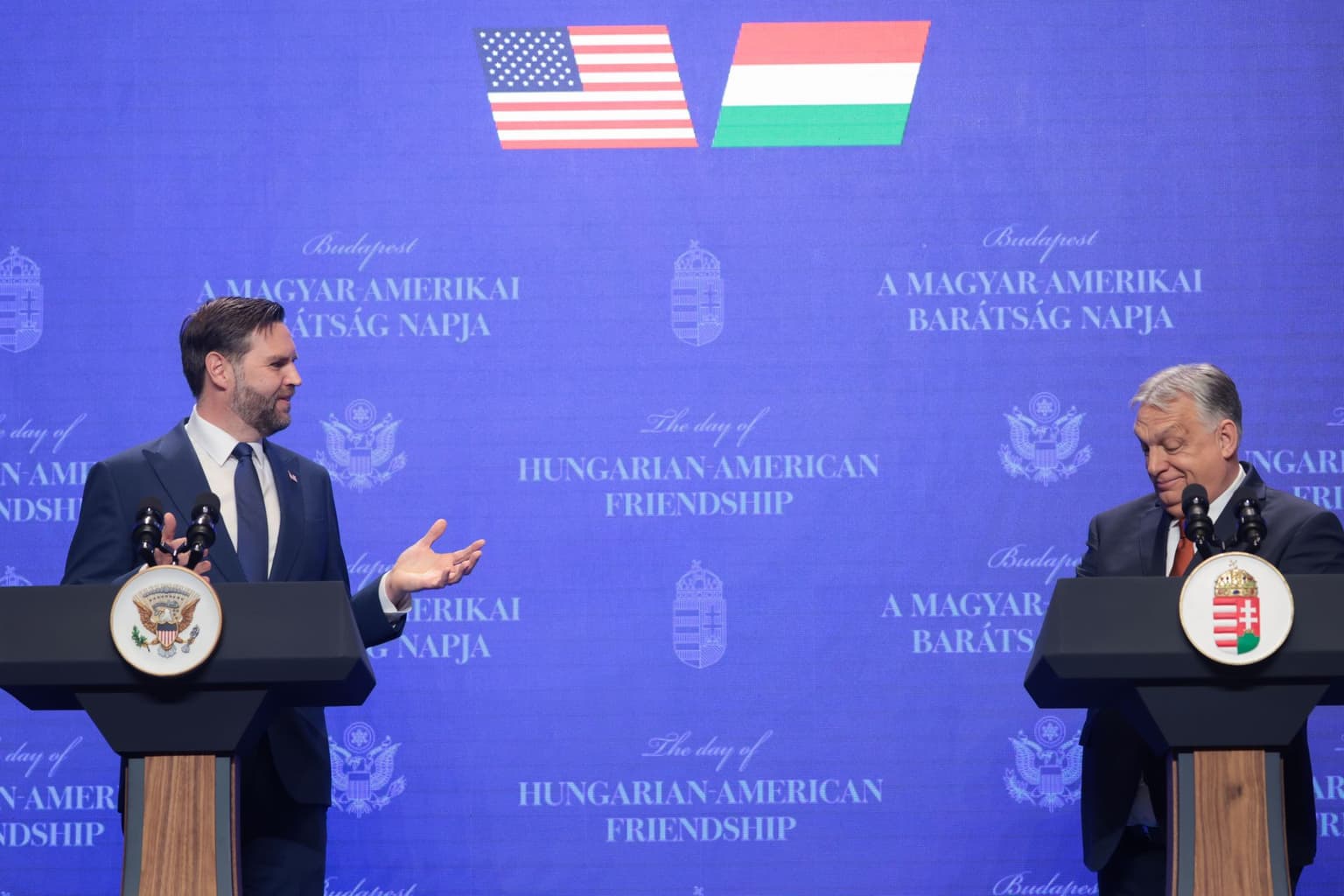
U.S. Vice President JD Vance suggested on April 7 that "elements" of Ukrainian intelligence have interfered in U.S. and Hungarian elections, as he visited Budapest to endorse Prime Minister Viktor Orban ahead of a key vote.
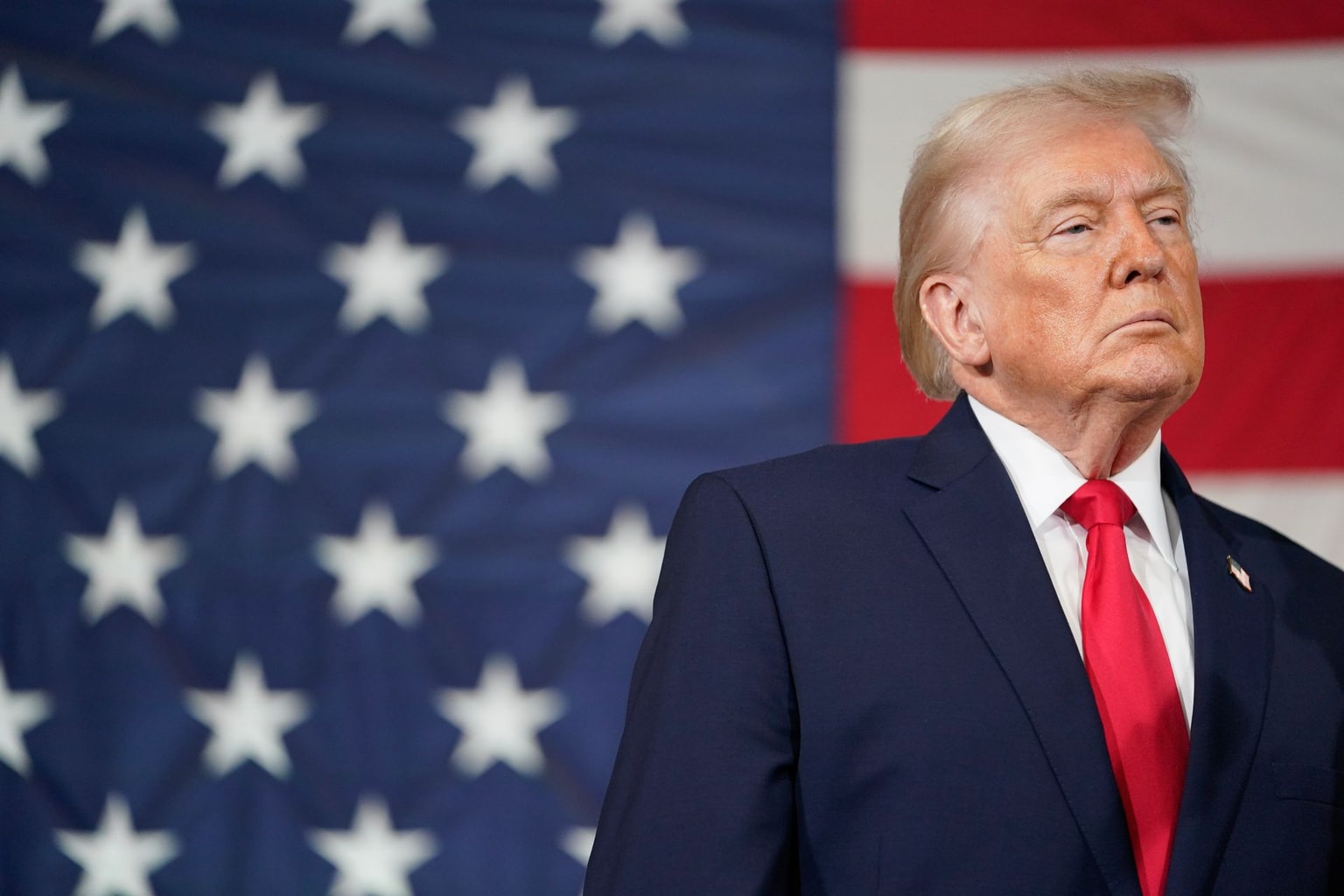
Vance's visit comes after U.S. President Donald Trump publicly endorsed Orban, Hungary's populist leader, who has led Hungary for 16 years, and whose Fidesz party trails behind Peter Magyar's Tisza party ahead of the April 12 elections.
The Hungarian leader, who welcomed Vance in Budapest, called the visit a "historic moment."
"I want to help as much as I possibly can to Prime Minister as he faces this election season," Vance said beside Orban at a press conference.
The Hungarian election campaign is taking place in a heated atmosphere, with Orban repeatedly accusing Ukraine and other "foreign powers" of interference.
At the press conference, both Vance and Orban decried alleged foreign meddling in Hungary's elections, with the U.S. vice president pointing the finger at "Brussels bureaucrats."
When asked by a reporter, Vance also claimed that the U.S. is "certainly aware that there are elements within the Ukrainian intelligence services that try to put their thumb on the scale of American elections, on Hungarian elections."
"I try to remind myself that Ukraine, like the United States, is a very complicated place. There are good people, and there are bad people," the U.S. vice president said.
"There were people in the Ukrainian system who were campaigning with Democrats literally in the weeks before the presidential election" in November 2024, he claimed, without citing examples or evidence.
Budapest previously accused Ukraine of attempting to sway Hungary's elections, a claim Kyiv denied. In turn, independent media and the Hungarian opposition said that Moscow is seeking to meddle in the campaign in favor of Orban.
Ukraine has not commented on Vance's claims.

The vice president also lauded Orban as a leader who "stood up for the people of Hungary" and accused "bureaucrats in Brussels" of working against the Hungarian people.
Trump and Orban have been ideological allies, sharing views on migration, cultural issues, and the EU.
The Hungarian leader has also often invoked Trump's push to broker a swift ceasefire between Russia and Ukraine as an argument against EU military support for Kyiv.
According to Vance, Orban and Trump are the two leaders who have done the most to help end the war in Ukraine by "talking to people" and understanding what Kyiv and Moscow need for peace.
Under Orban, Hungary has fostered a close economic partnership with Russia, despite the all-out war in Ukraine. Trump's return to office led to a thaw in U.S.-Russian relations and the end of the diplomatic isolation imposed on Moscow by former U.S. President Joe Biden.
The Hungarian prime minister and the U.S. president were among the few Western leaders who met Russian President Vladimir Putin during the war.
"If the Europeans, especially Brussels, would not be blocking the peace efforts of President (Trump), peace would prevail," Orban said at the press conference.
Vance's two-day visit is expected to include talks with Hungarian officials on economic and energy cooperation, migration, and global security.
As part of the visit, Hungary's energy company Mol is set to sign a deal to buy $500 million worth of U.S. oil, Bloomberg reported, citing an undisclosed source.
Energy security has become a key theme in Orban's election campaign, as the leader called for lifting EU sanctions on Russian fossil fuels and accused Kyiv of threatening Hungary's security by withholding oil transit via the Druzhba pipeline.
Slovakia and Hungary, two EU countries still buying Russian crude through Druzhba, claimed Ukraine is deliberately blocking transit. Kyiv named a Russian attack in western Ukraine in January as the cause of the disruption.
Orban retaliated by blocking the EU's 20th package of sanctions against Russia and a 90-billion-euro ($104 billion) loan for Kyiv.
Magyar, Orban's rival, commented on Vance's visit, saying, "No foreign country may interfere in Hungarian elections."
"Hungarian history is not written in Washington, Moscow, or Brussels — it is written in Hungary's streets and squares," the opposition politician said on X.
Magyar's Tisza has the support of 56% of decided voters, 19 percentage points more than Fidesz, according to a recent poll by the independent pollster 21 Research Center.