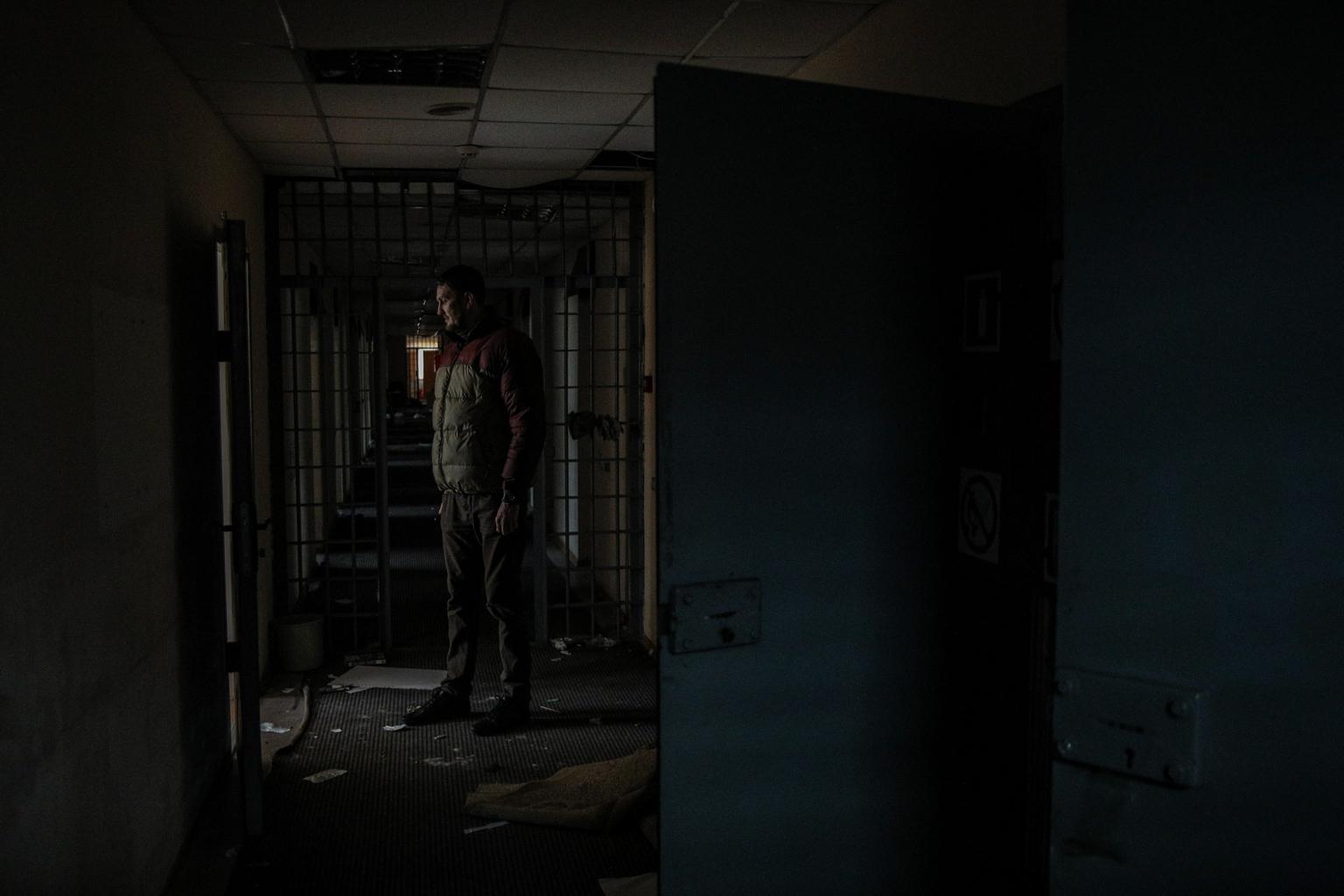
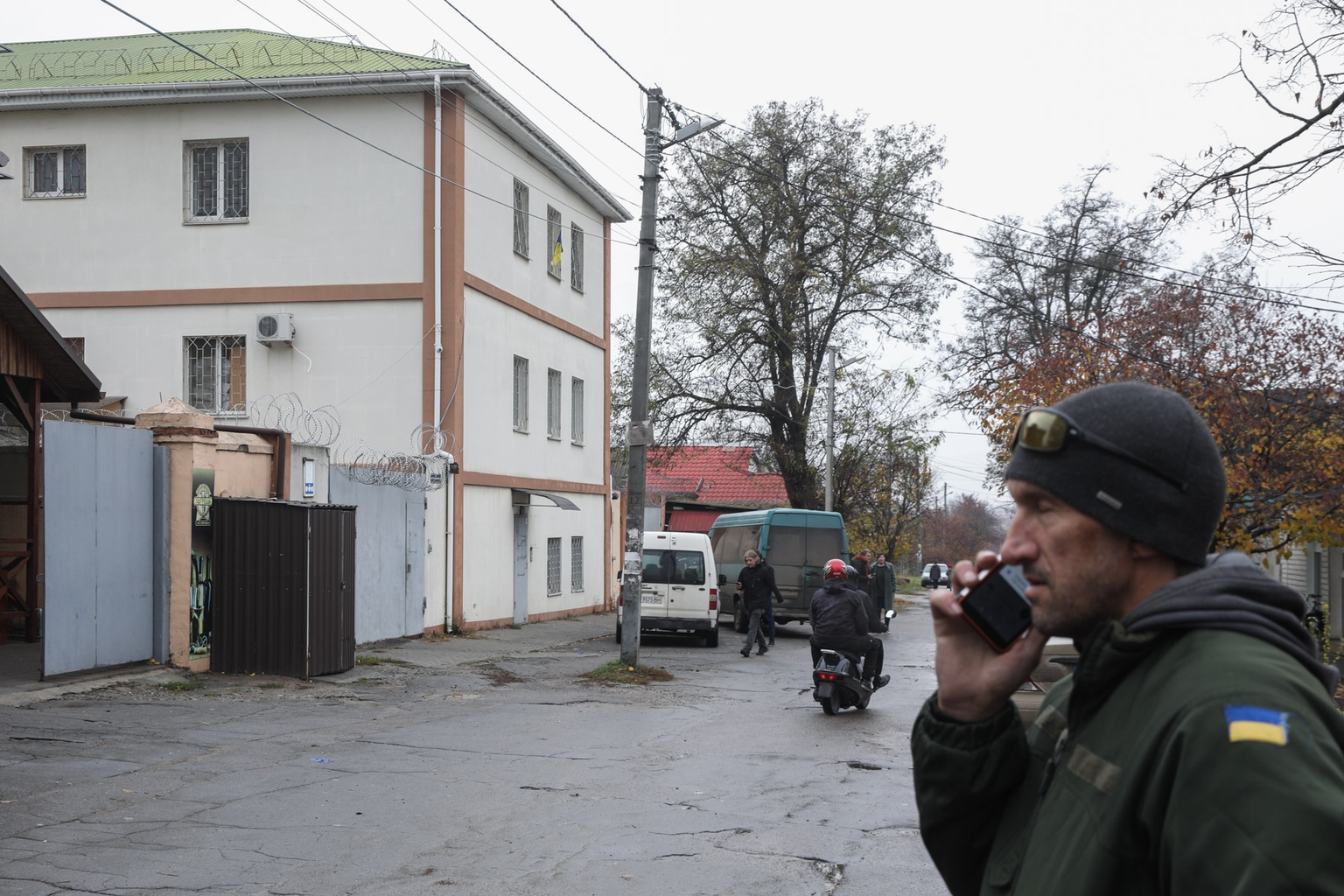
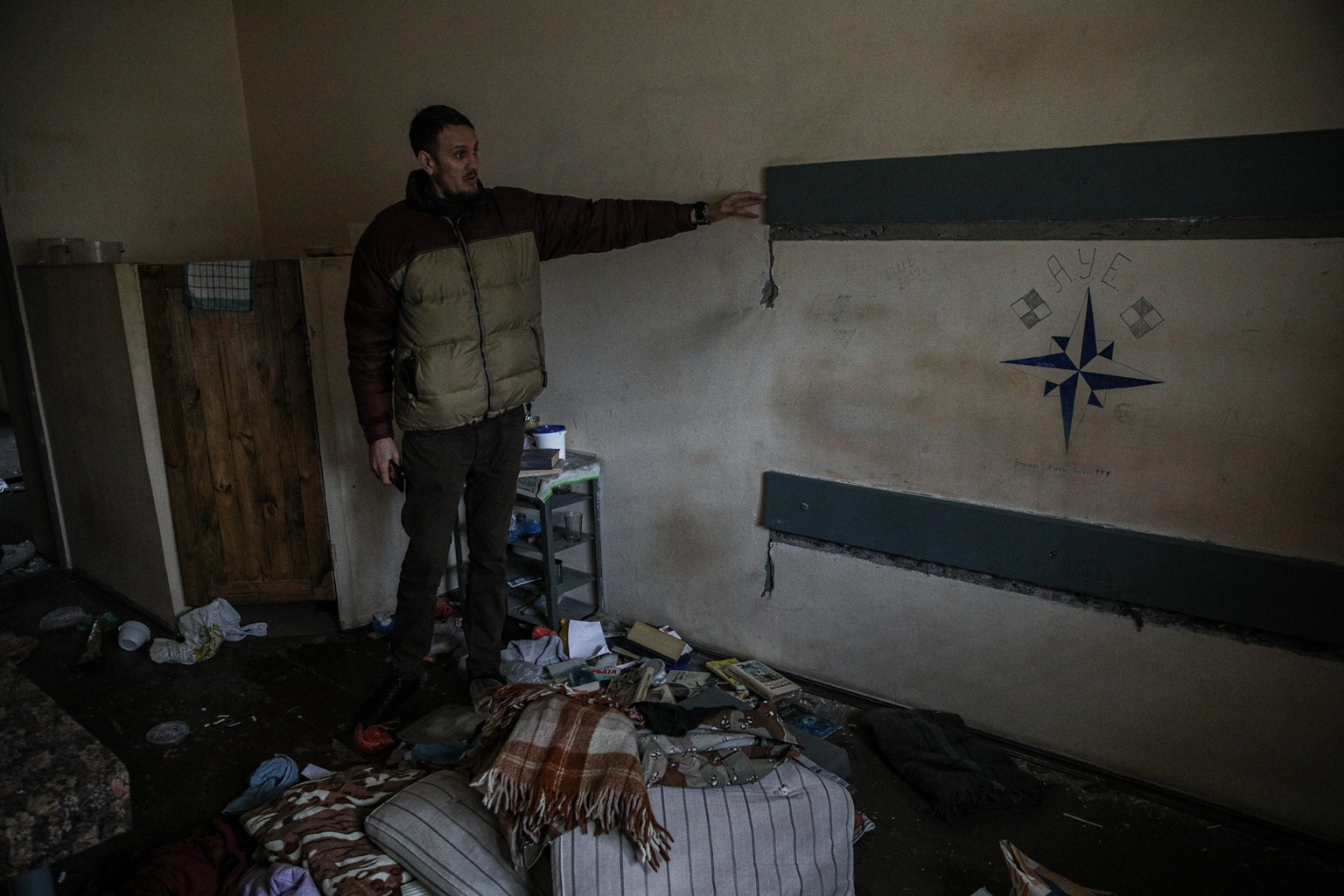
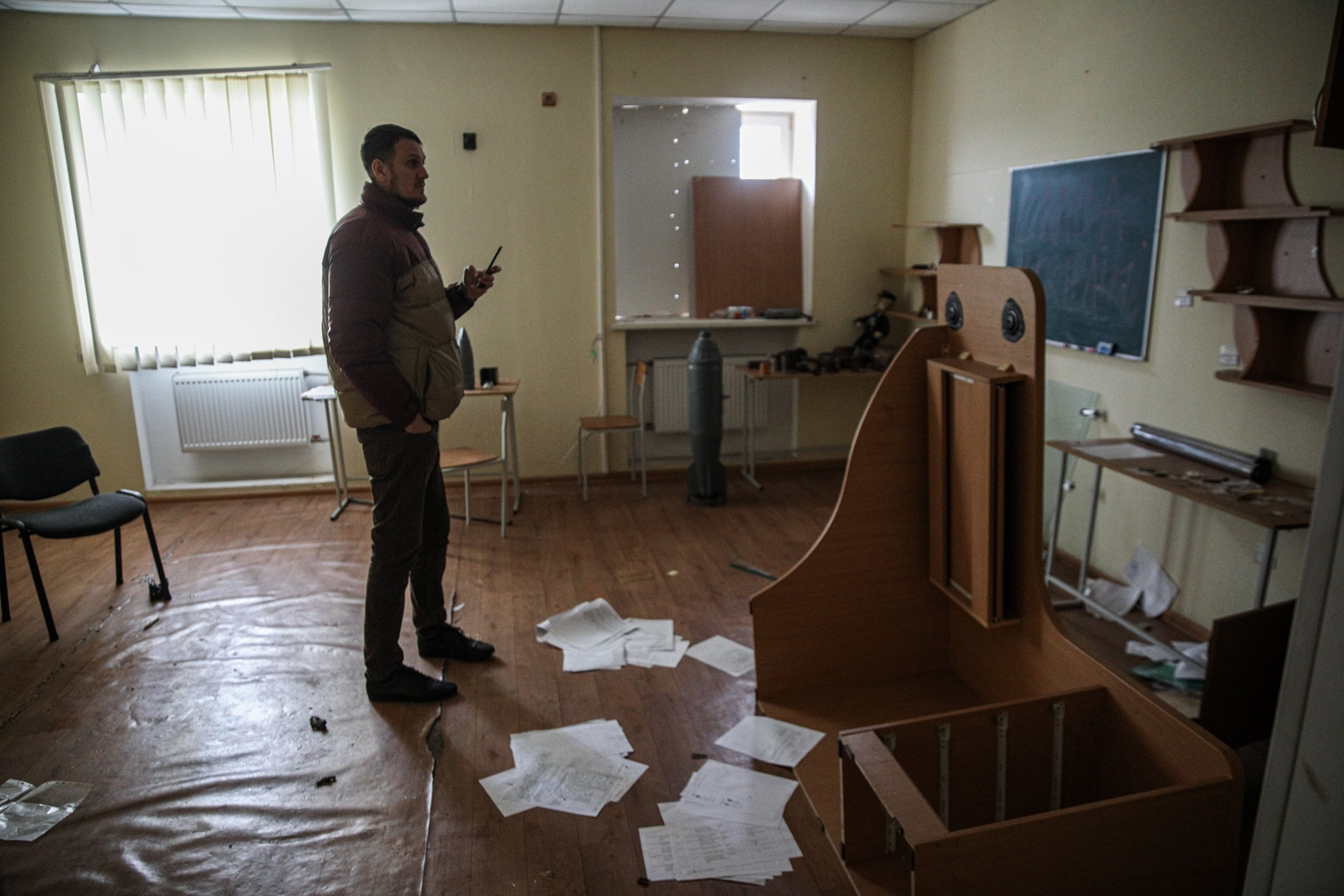
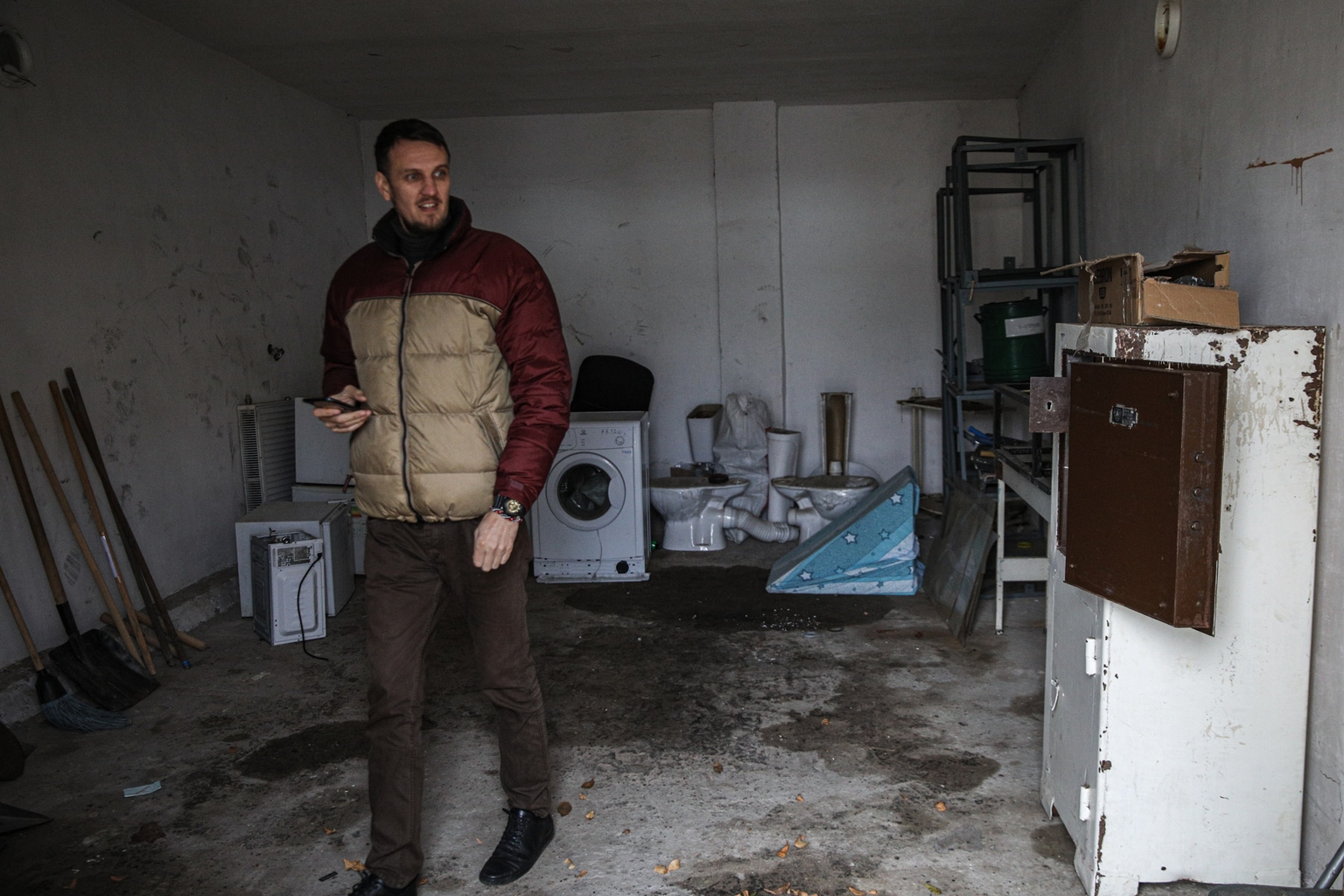
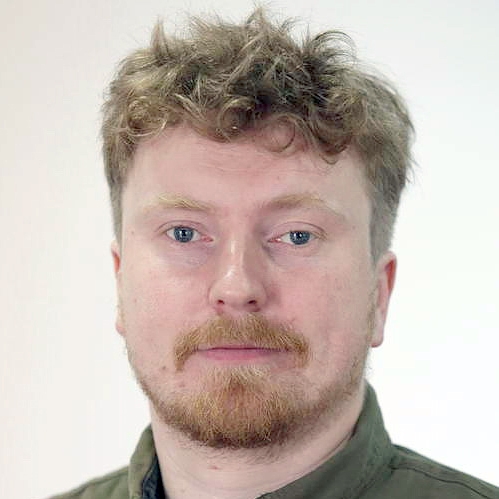
Roman Baklazhov, a civilian volunteer and former city councilman, stands in the corridor of a Ukrainian jail, where he was held by Russians for two months during the occupation of Kherson. The Russians used the center to hold and torture civilians. Baklazhov was tortured with electrical shocks, he recalled during this visit on Nov. 20, 2022. (Kostyantyn Chernichkin)
KHERSON — Huge numbers of Ukrainians were detained by Russians occupying Kherson. Many of them were interrogated by torture.
The chief prosecutor of Kherson Oblast, Volodymyr Kalyuga, said that locals were tortured at four sites throughout the city.
According to interviews with local officials and residents, these included a pre-trial detention center, the abandoned headquarters of the Security Service of Ukraine, and another government building claimed by Russia’s security service, the FSB.
Electric shocks were a common torture method, along with beatings with various objects and depriving the victims of air. Some people died under torture, though the majority were eventually released.
Russian forces, beset on all sides by assassinations, sabotage, and insurgent-enabled artillery strikes, hauled people in by the hundreds, suspecting them of working for the Ukrainian forces.
Many people were detained for having weapons or military equipment in their homes, but others were taken merely for being outspokenly pro-Ukrainian.
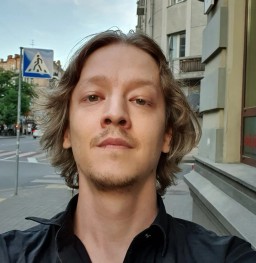
Volunteers and activists were also hunted down, including Roman Baklazhov, a city councilman who organized initiatives to feed Kherson residents. The Russians possibly picked him up for his month-and-a-half-long association with the right-wing nationalist group Right Sector in 2014, as well as some social media posts from that year.
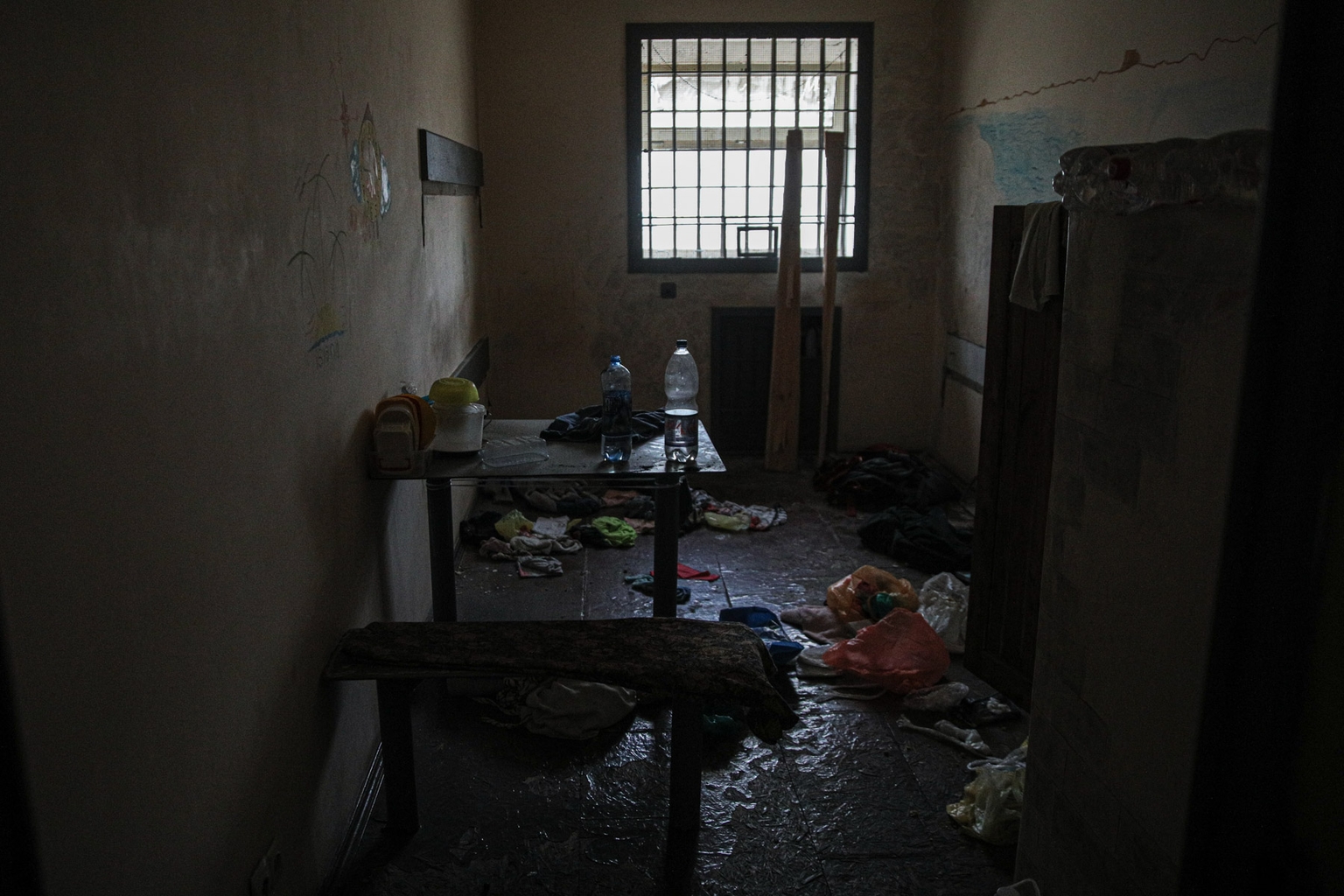
Baklazhov described being held in a cell with a dozen people for about two months. He said he was shocked with electricity when Russians didn’t like his answers.
He was tortured for only one day, “but that was enough,” he said. He said he also experienced psychological torture, hearing the screams of other men and women being interrogated, which made him and his fellow prisoners unable to eat.
Baklazhov said he now has trouble concentrating due to the trauma. He is now receiving psychological aid while continuing to organize volunteer work and hopes to eventually recover.
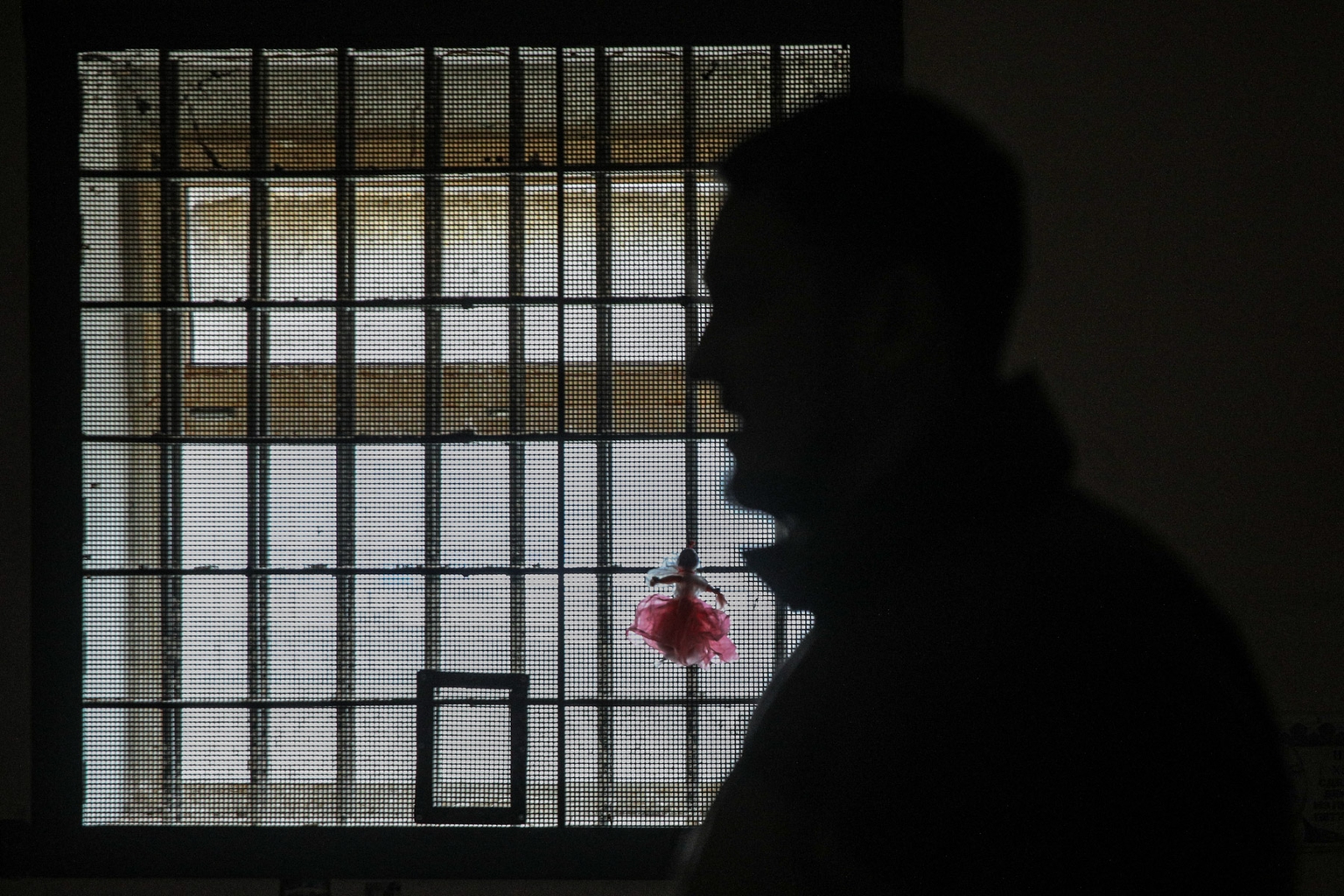
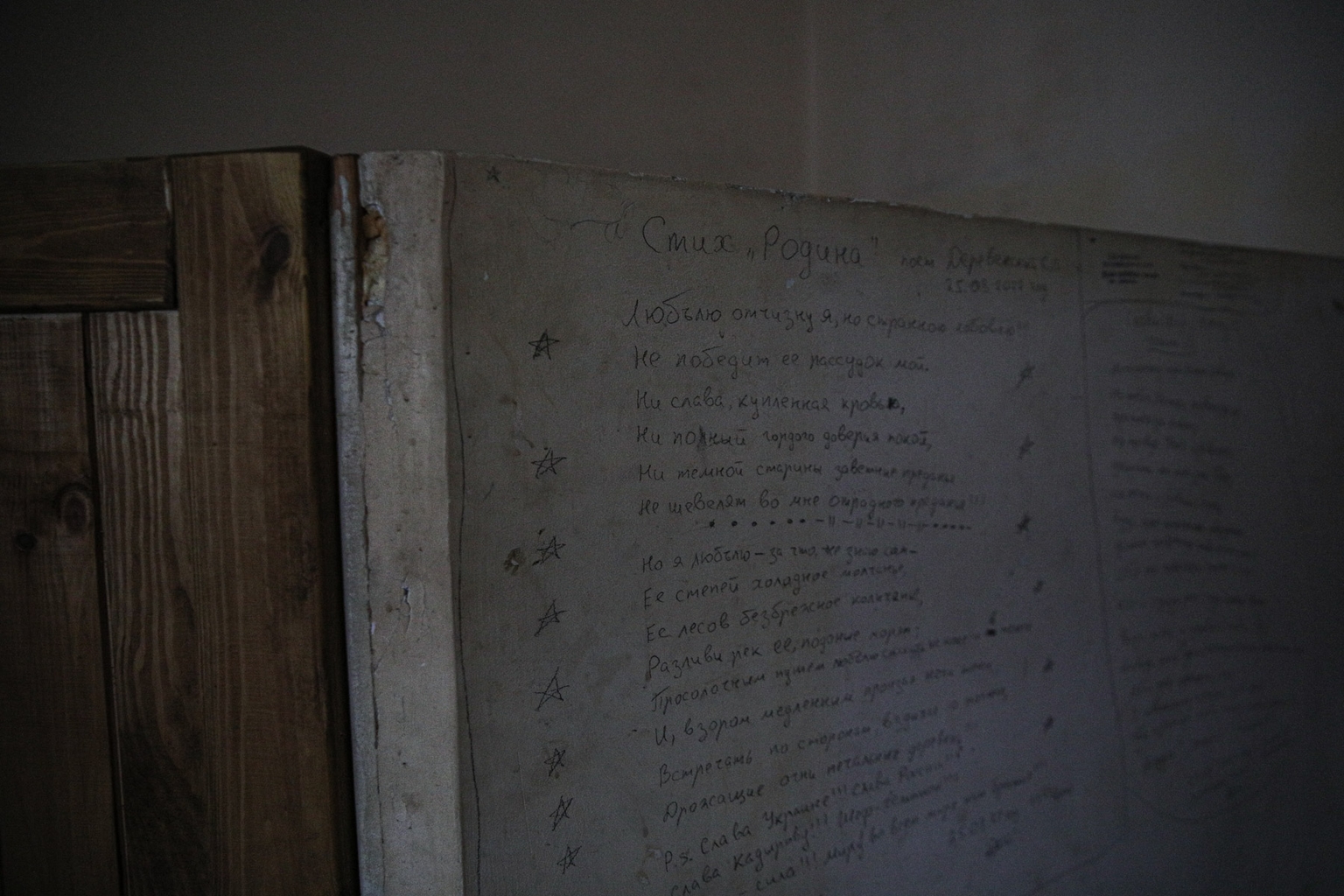
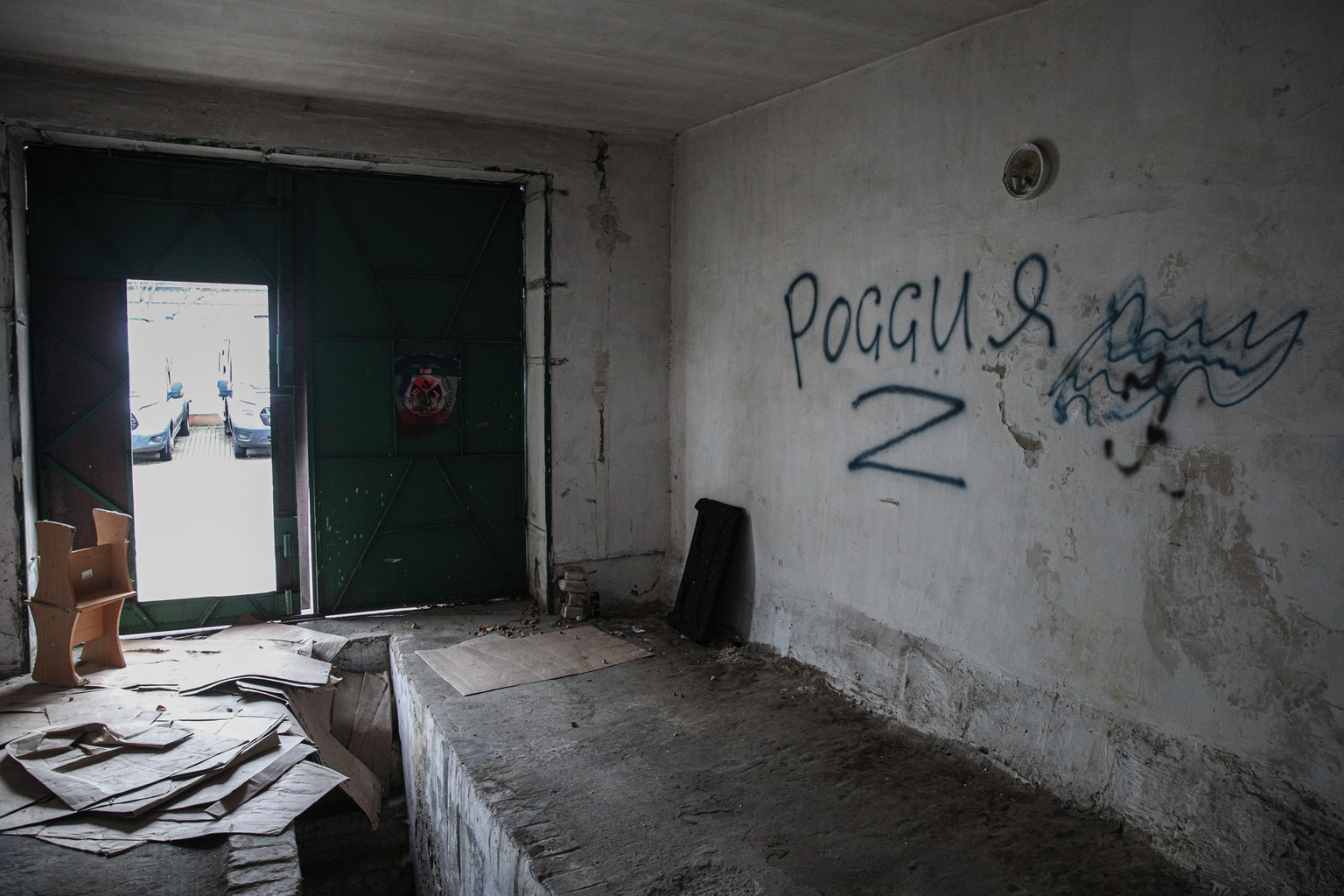
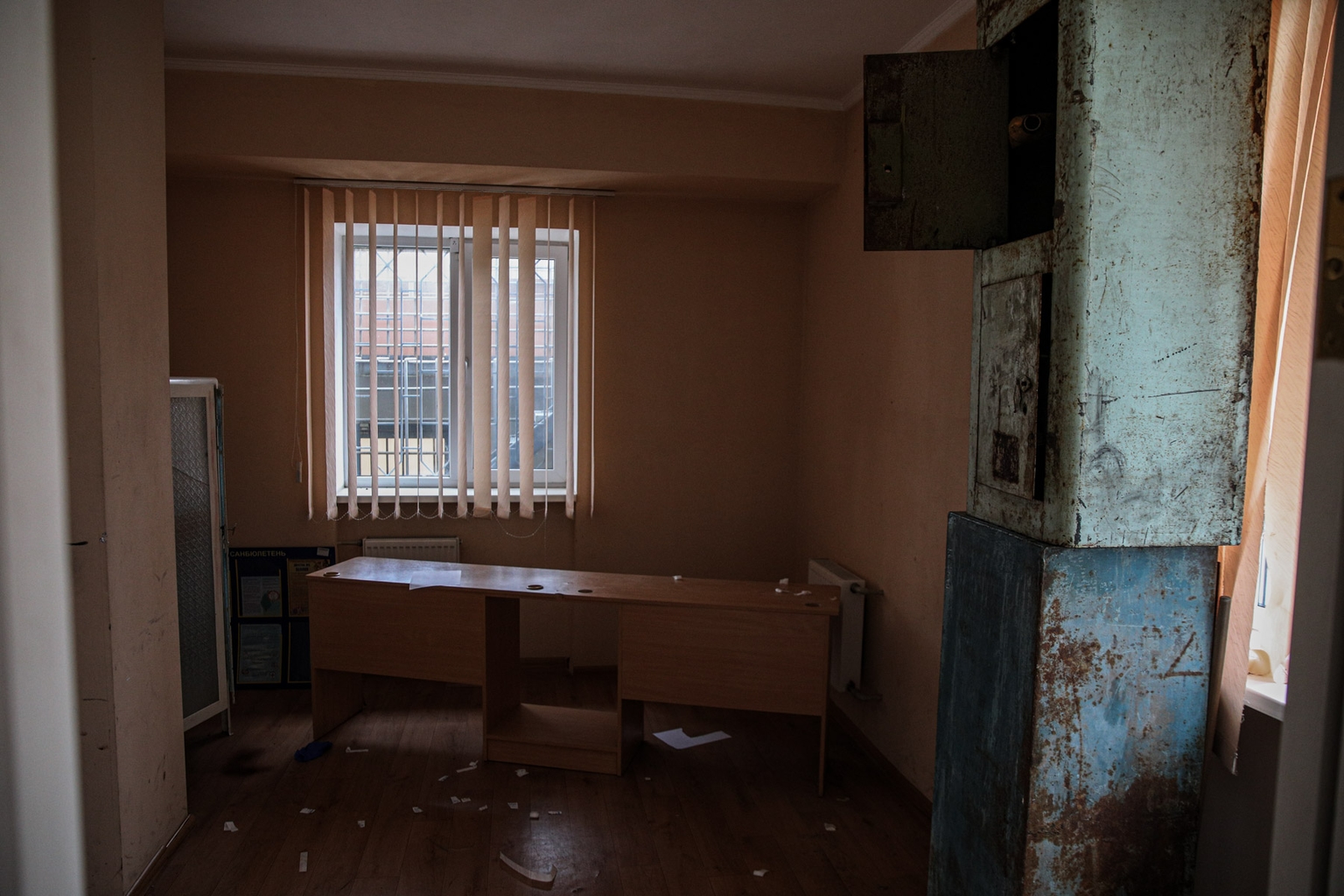
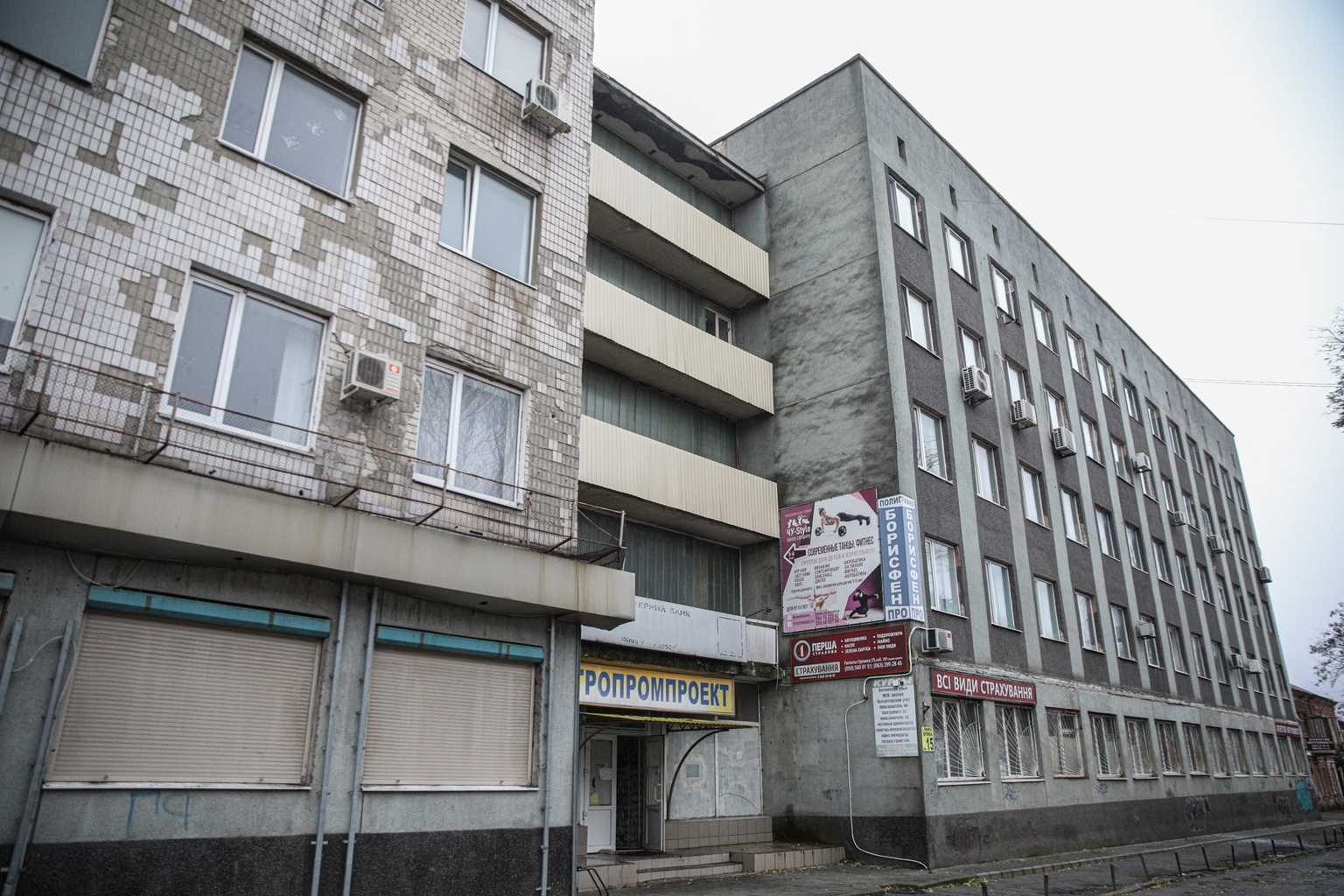
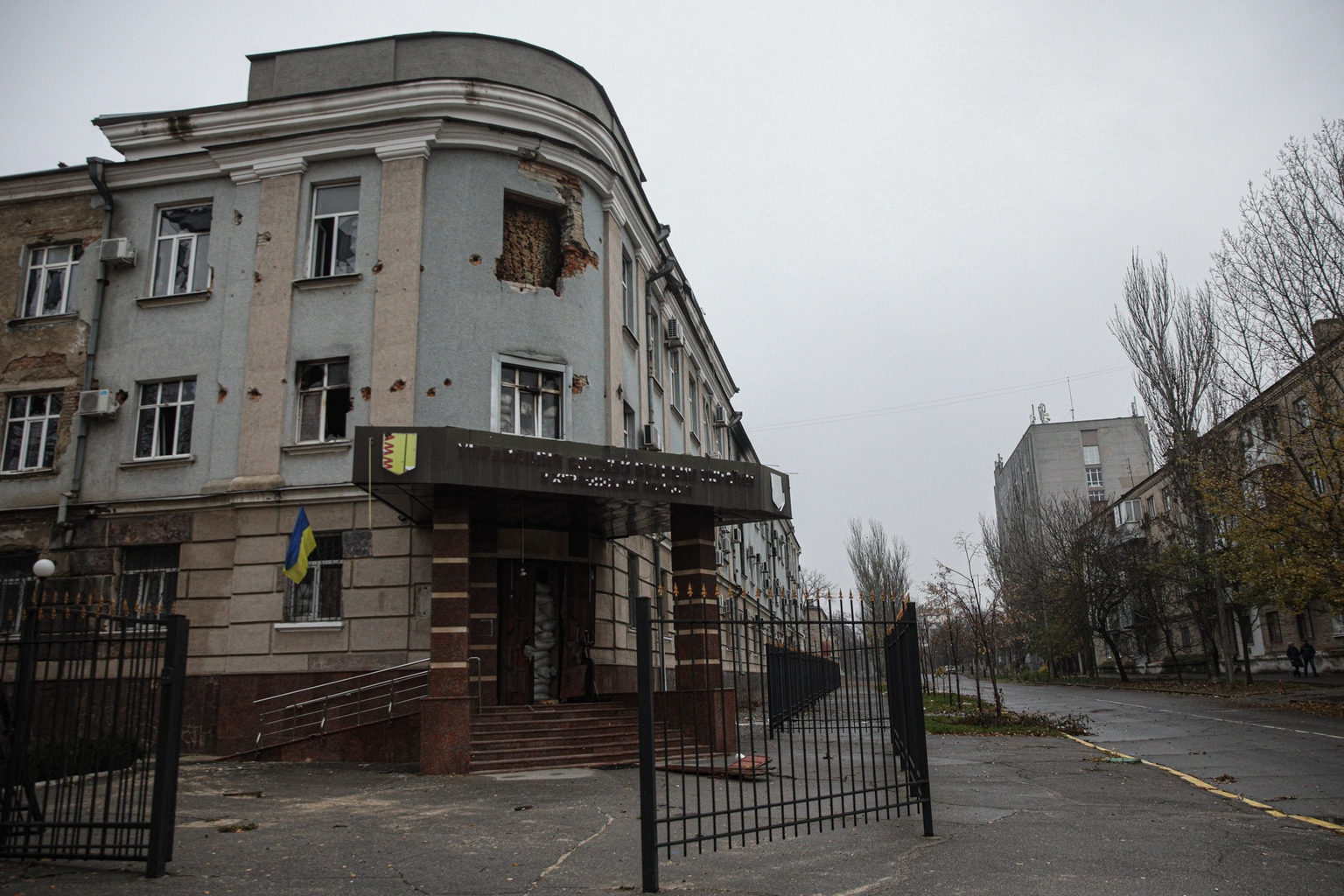
Roman Baklazhov, a civilian volunteer and former city councilman, stands in one of the cells in a detention center where he was held and tortured on Nov. 20, 2022. A doll hangs from its metal-grated window. (Kostyantyn Chernichkin)A Ukrainian soldier stands in front of the barbed wire-lined entrance to a Kherson jail that Russians used to detain and torture civilians on Nov. 20, 2022. (Kostyantyn Chernichkin)Roman Baklazhov, a civilian volunteer and former city councilman, stands in the cell where he was held for two months in this Ukrainian jail, repurposed by the Russians to hold and torture local detainees. He was tortured with electrical shocks. Baklazhov reminisced about the experience on Nov. 20, 2022. (Kostyantyn Chernichkin)Roman Baklazhov, a civilian volunteer and former city councilman, stands in one of the torture rooms in this Ukrainian jail, used by Russians to detain and interrogate Kherson civilians. People in this room were tortured with electricity and possibly other methods. Nov. 20, 2022. (Kostyantyn Chernichkin)A poem in praise of Russia, written on the wall of one of the detention center's cells, photographed on Nov. 20, 2022. Russians using the facility wrote all kinds of graffiti on the walls throughout. (Kostyantyn Chernichkin)Graffiti saying "Russia Z" marks a wall in a garage in this Kherson jail that Russians used to detain and torture civilians on Nov. 20, 2022.In this room, Russians tortured and interrogated Ukrainian civilians, both men and women. Their screams were audible throughout the neighborhood. Photograph taken on Nov. 20, 2022. (Kostyantyn Chernichkin)One of the cells in a Kherson jail, repurposed by the Russians to hold and torture local detainees, photographed on November 20, 2022. (Kostyantyn Chernichkin)Toilets, washing machines and other appliances line the wall in a garage in this Kherson jail that Russians used to detain and torture civilians on Nov. 20, 2022. Throughout the occupation, Russian forces have been seen taking domestic appliances and shipping them to Russia. Many rural areas where soldiers come from lack modern amenities. (Kostyantyn Chernichkin)A different prison, a building in Kherson used by Russia's Federal Security Service (FSB). High value Ukrainian prisoners were kept in its basement, according to a local politician and a local lawyer familiar with the matter. The abandoned and likely mined building was photographed on Nov. 20, 2022. (Kostyantyn Chernichkin)A building used by the Security Service of Ukraine prior to the invasion. This was yet another detention and torture center reportedly used by the Russians. It was photographed on Nov. 20, 2022. (Kostyantyn Chernichkin)
Some groups of Russian infantry troops have entered the embattled city, and the situation is difficult, but Kostiantynivka remains under the control of the Ukrainian Armed Forces, Head of Ukraine's General Staff Major Andriy Kovalev stressed.
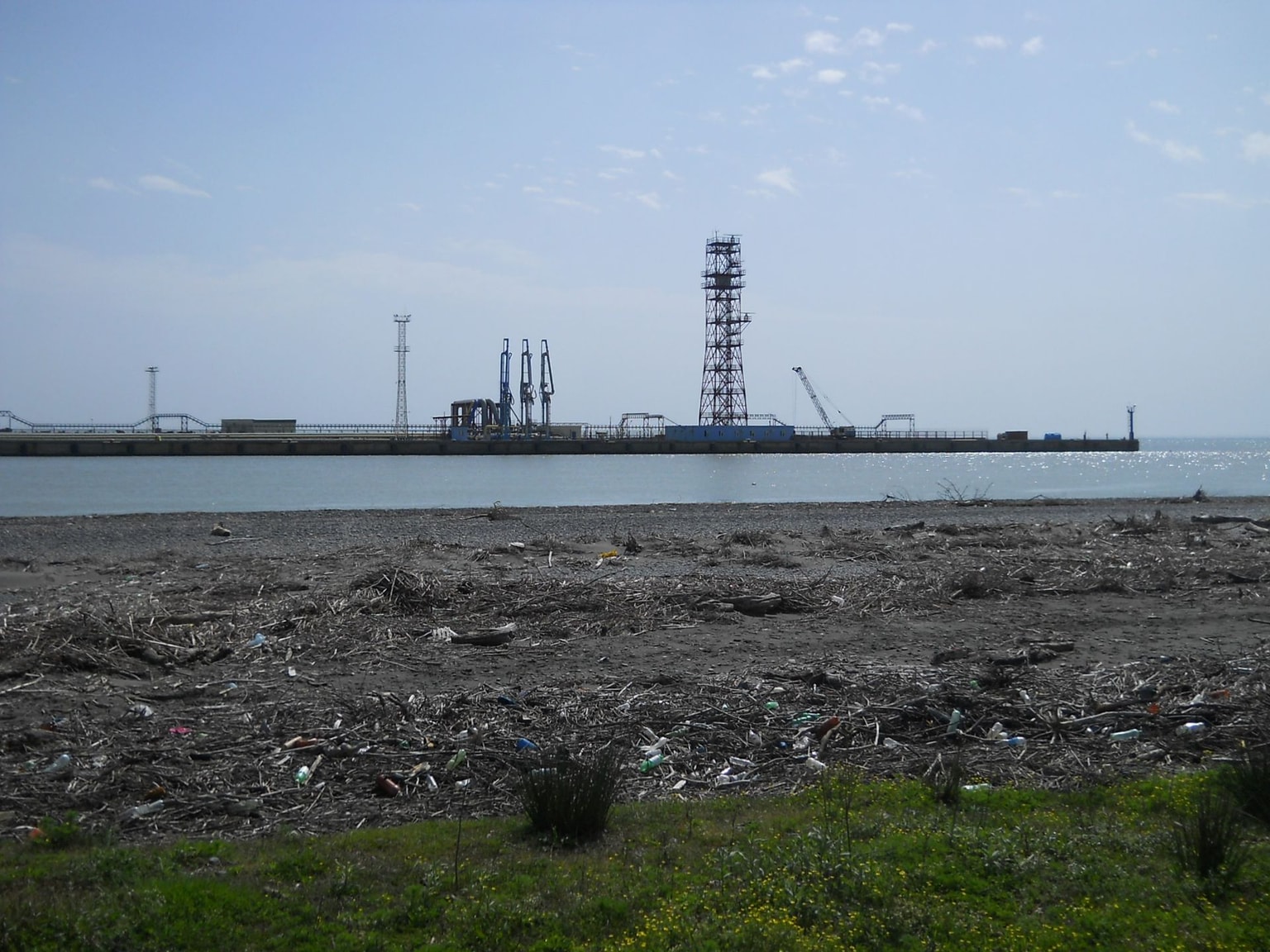
Ukraine's military reportedly carried out an attack on St. Petersburg in the early hours of July 4, striking an oil terminal in the city, Russian Telegram media channels reported.
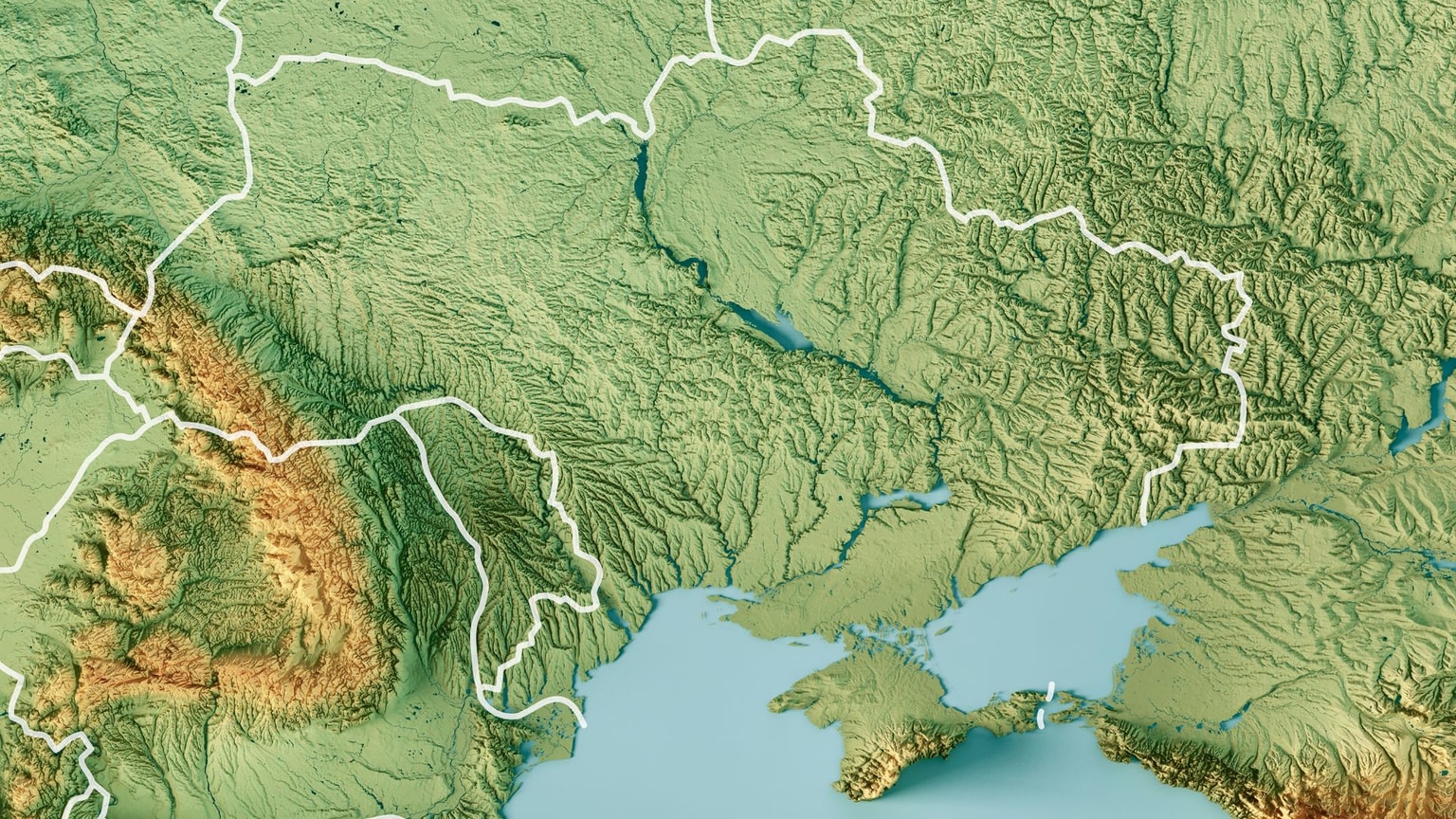
Ukraine's military continued its barrage of attacks on targets in Russian-occupied Crimea overnight on July 4, reportedly striking key infrastructure on the peninsula, Russian Telegram media channels reported.
"In Belgorod, infrastructure objects were damaged, as a result of which disruptions in the supply of electricity and water were recorded," acting Governor Alexander Shuvaev reported.
"I note that massive, coordinated strikes against the infrastructure of Ukraine's military-industrial complex and the facilities supporting its operation must continue," Russian President Vladimir Putin said.
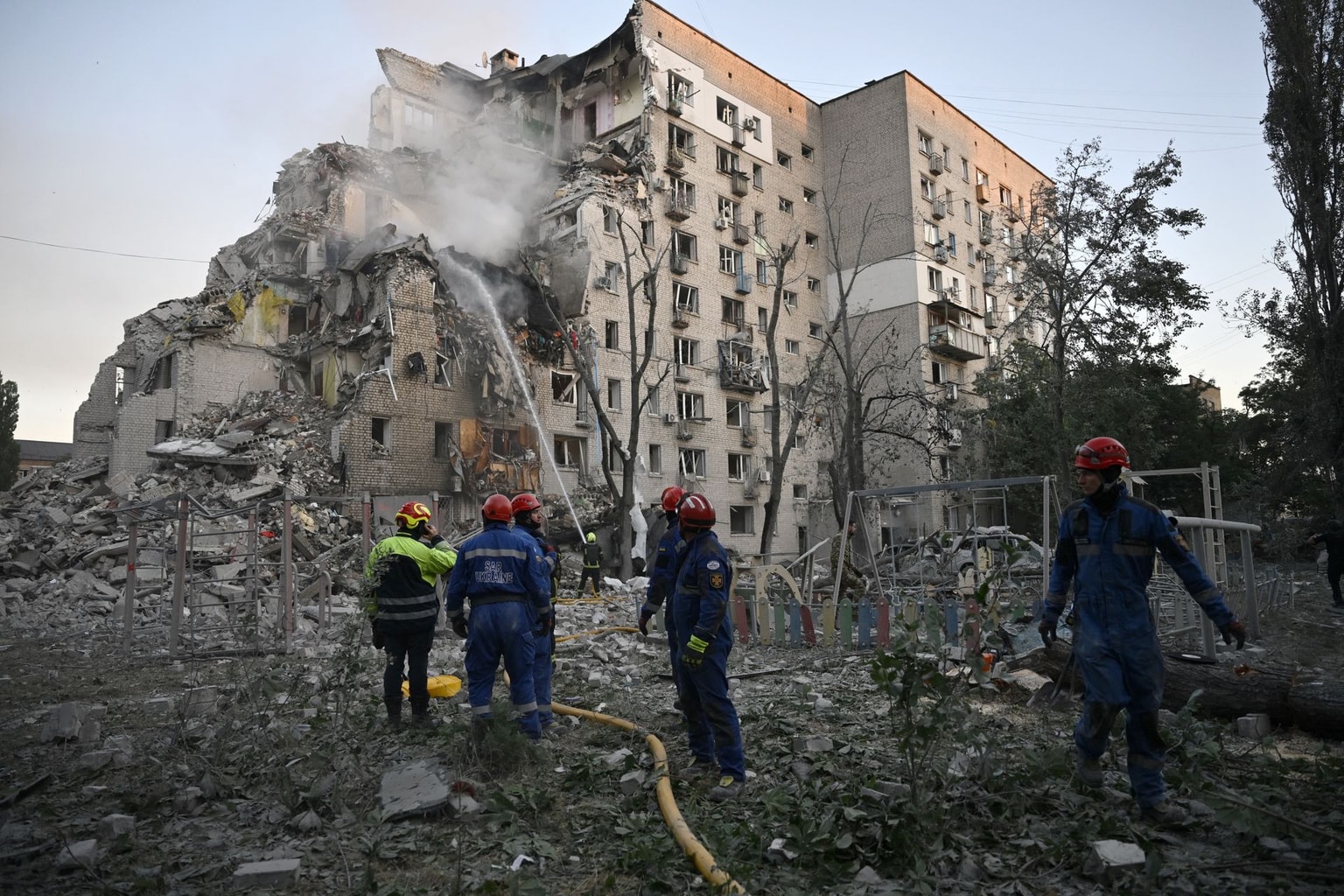
Four people have died, including a 5-year-old girl and her mother, authorities in Sumy reported. Another 27 people were injured, with many in serious condition.
"Our job as diplomats is to maintain dialogue and utilize every tool in the diplomatic arsenal to solve problems," Foreign Minister Andrii Sybiha said after a meeting with his Polish counterpart. "It is time to set emotions aside."
Ukraine's Security Service (SBU) said on July 3 it had struck two Russian military air bases in occupied Crimea overnight, damaging or destroying at least seven military aircraft in its second reported attack on the Saky air base within a week.
An agreement was reached to invite Kyiv and Chisinau to submit their negotiating positions on another one of the six enlargement clusters, two EU diplomats told the Kyiv Independent.

 on Google