Hungary, Slovakia halt diesel exports to Ukraine over suspended Russian oil transit
 on Google
Hungary and Slovakia announced on Feb. 18 that they are halting diesel exports to Ukraine, citing the suspension of Russian oil transit via the Druzhba pipeline as the trigger for the move.
The decision escalates tensions between Kyiv and two of the EU's most Russia-friendly governments, as Ukraine pushes European partners to curb purchases of Russian energy that help finance Moscow's war.
Hungarian Foreign Minister Peter Szijjarto directly accused Kyiv of deliberately endangering the country's energy security.
"President Volodymyr Zelensky has decided not to restart oil transit for political reasons, deliberately putting Hungary's energy supply at risk," he said, adding that shipments will not resume until transit through Druzhba is restored.
Szijjarto also warned that Hungary plays a key role in supplying Ukraine with energy resources.
"A large part of Ukraine's gas, electricity and diesel imports arrives through or from Hungary," he said.
Slovak Prime Minister Robert Fico said the Slovnaft oil refining company would stop all fuel exports to Ukraine, redirecting production to the domestic market.
He added that Bratislava has requested clarification from Kyiv, with Slovakia's ambassador, Pavel Vizdal, sending a formal note to Ukrainian authorities.
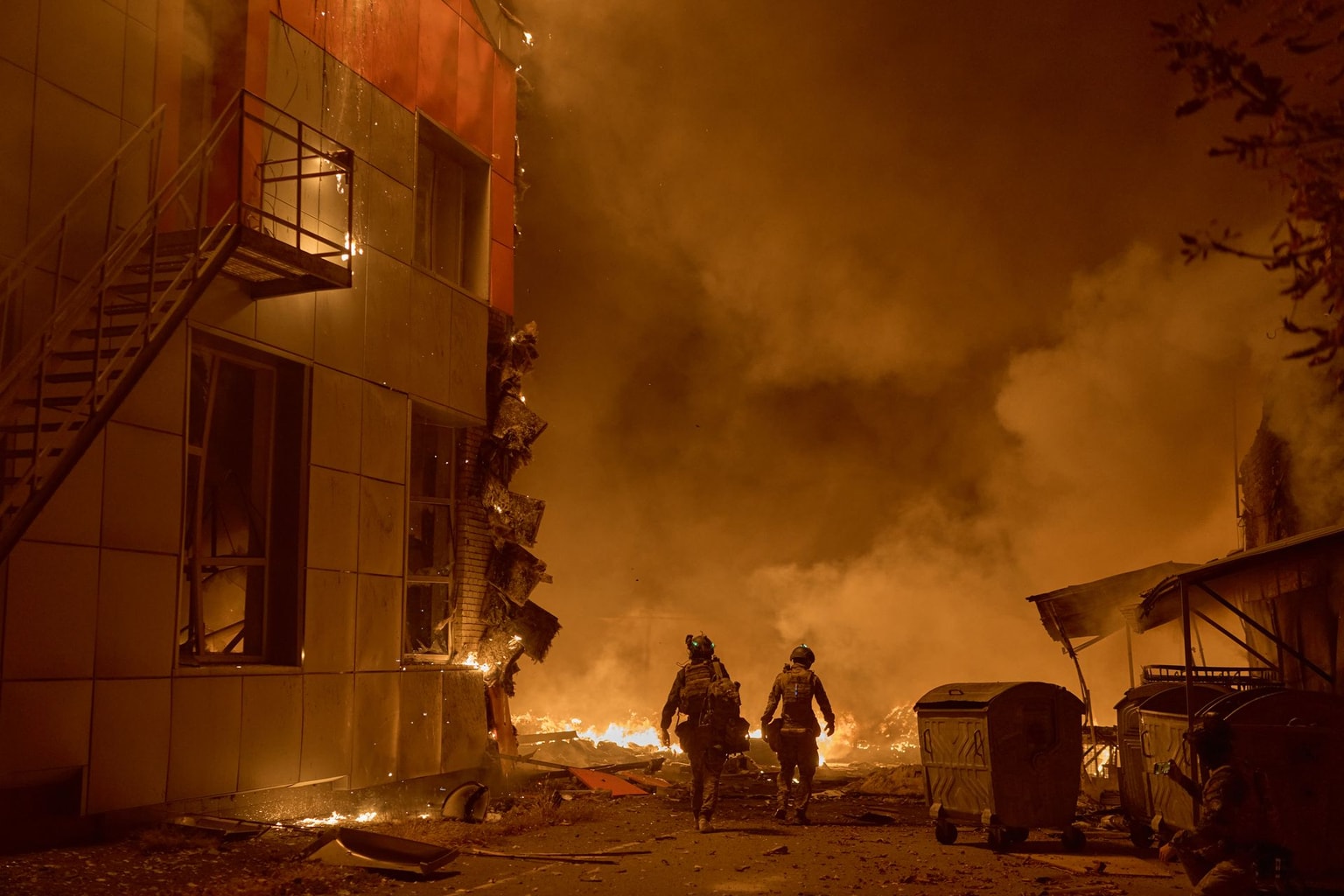
Transit through the Druzhba pipeline has been halted since late January following Russian strikes on Ukraine's energy infrastructure, according to Ukrainian officials.
Foreign Minister Andrii Sybiha posted a photo last week showing the burning Druzhba after a rare Russian strike on the pipeline on Ukrainian territory. Kyiv has also targeted the pipeline on Russian territory as part of its broader campaign against Russia's energy sector.
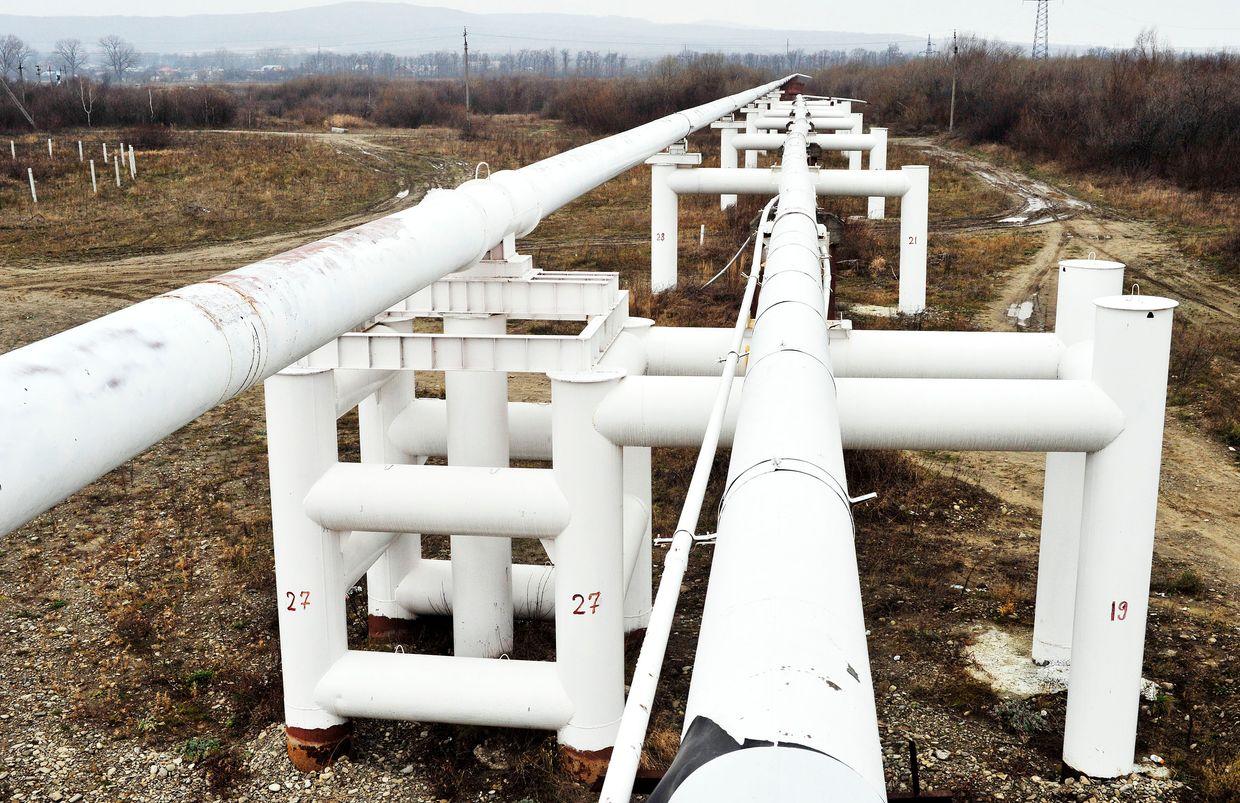
The Druzhba system, one of the world's largest oil pipelines with a capacity of around 2 million barrels per day, remains a key supply route for Hungary and Slovakia — the only EU countries still importing Russian crude via the network.