on Google
On the evening of June 6, Russian forces attacked several communities in the region with mortars and self-propelled artillery, according to Sumy Oblast Governor Dmytro Zhyvytsky. No casualties were reported.
Most Popular
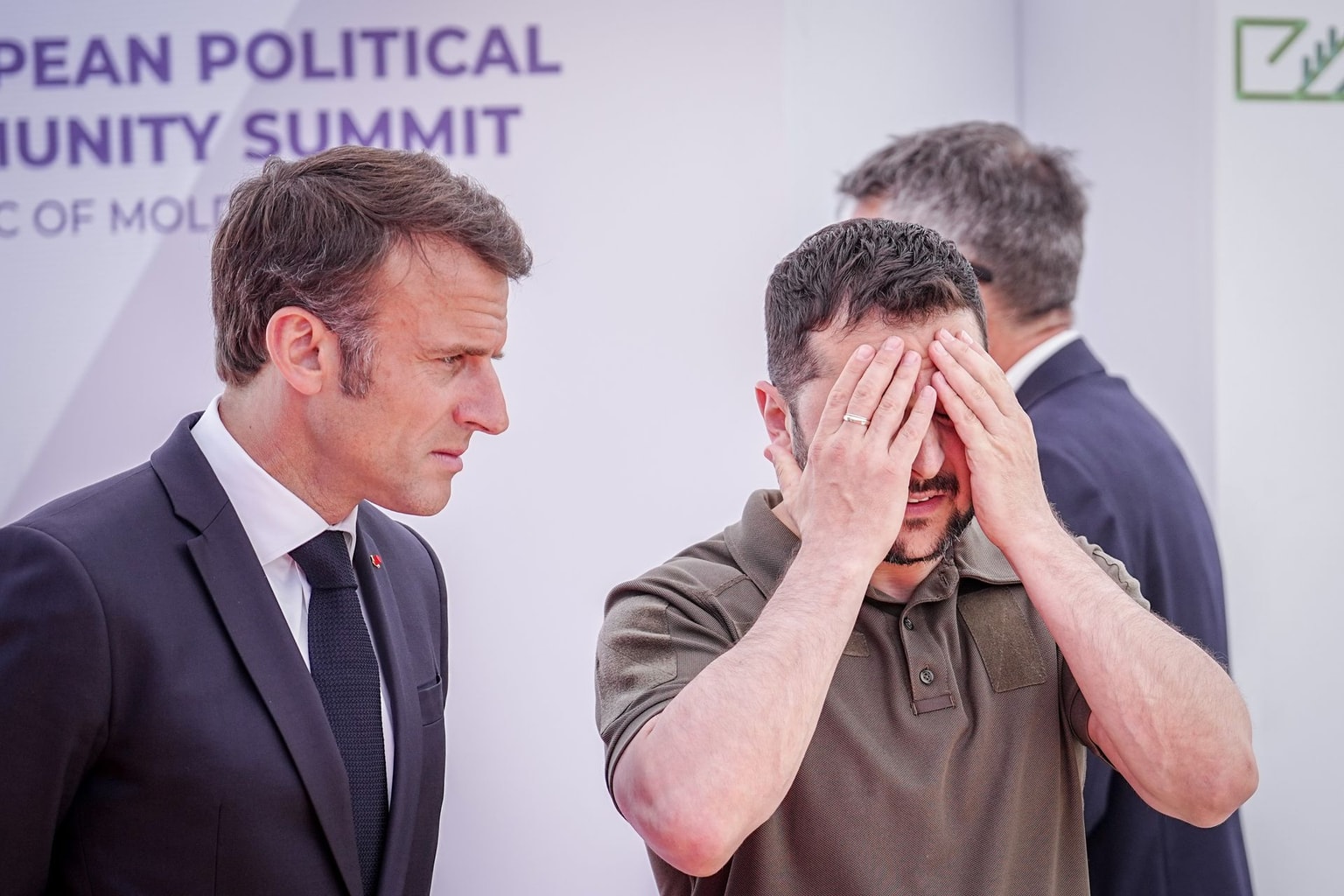
All EU sanctions linked to Russia's war may expire as France, Slovakia seek to delist oligarchs
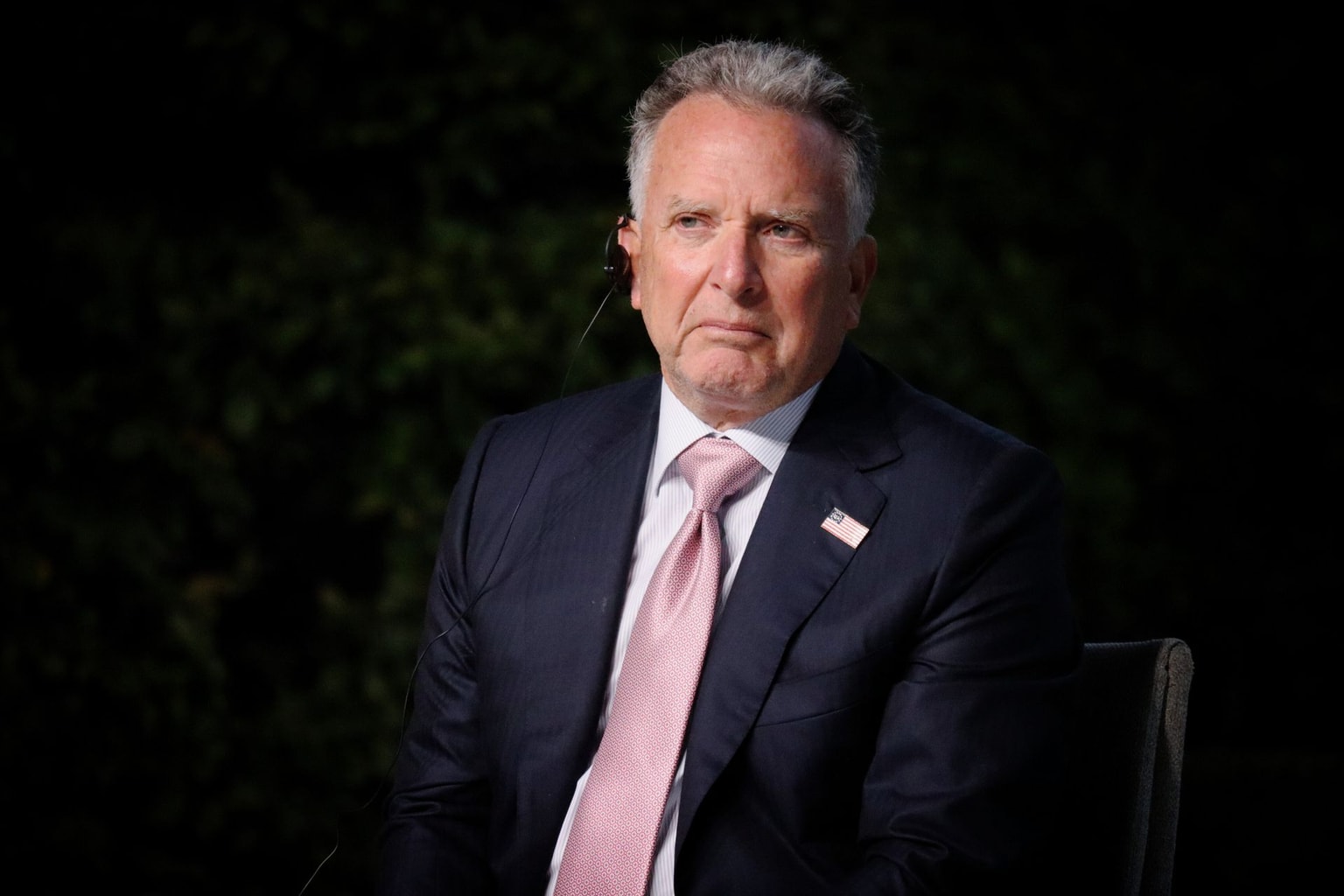
Exclusive: Ukraine, Russia are done with Steve Witkoff. Trump sees no problem
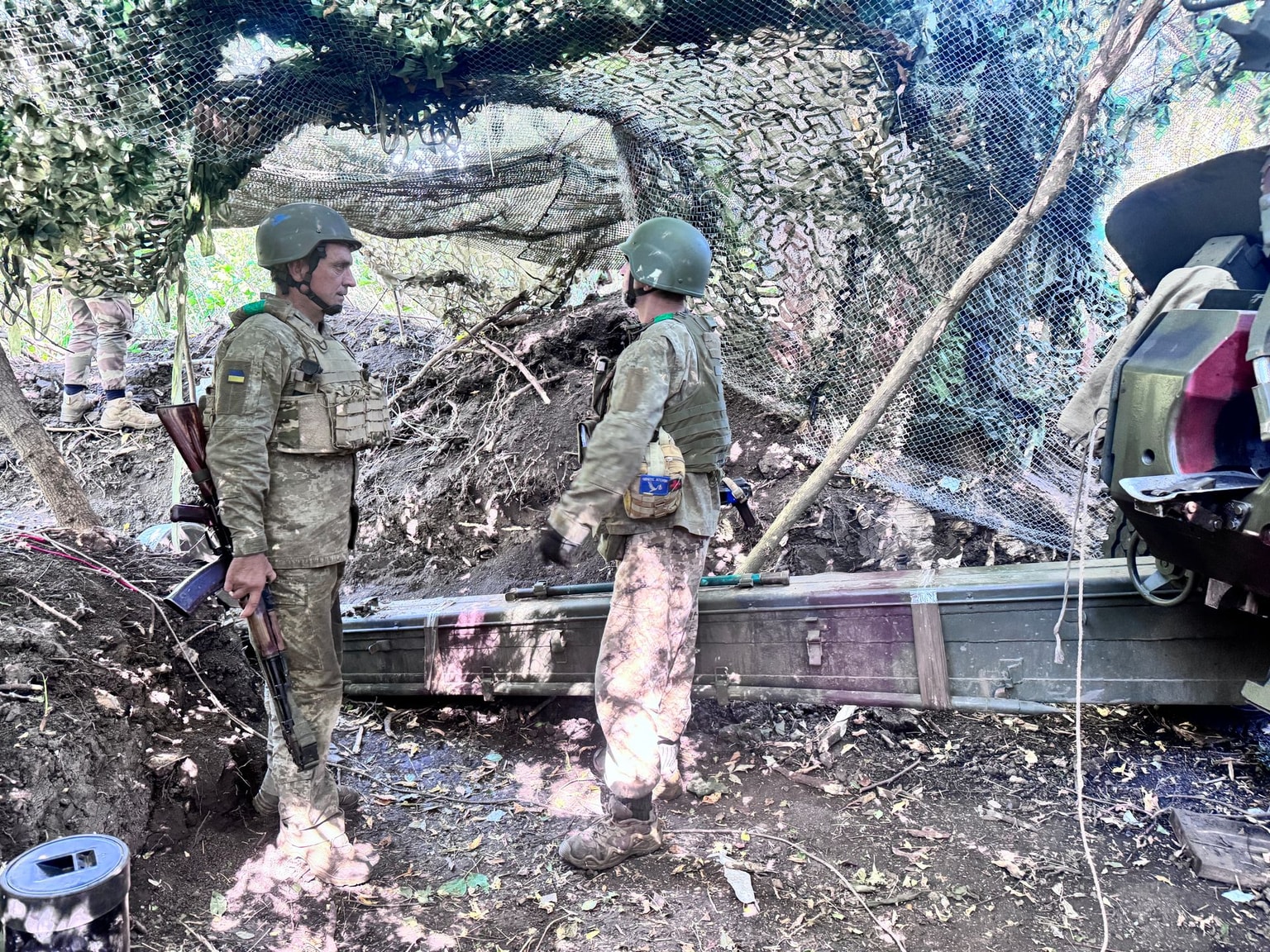
No tanks, lone soldiers — Ukraine details new Russian assault tactics
Putin confiscates Nestle, Auchan assets in Russia
Moscow Oil Refinery ablaze after 'largest-ever' Ukraine missile, drone blitz on Russian capital
News Feed Show More
Tuesday, September 22
(Updated: )
Speaking to the Hungarian parliament, Magyar said, "We had a good reason not to go."
Monday, September 21
Coreper II, the EU ambassadors’ body, said talks would resume at 8 a.m. Brussels time on Sept. 22 "with the aim of finalising agreement."
Ruslan Kravchenko had not returned to work after his official foreign business trip ended on Sept. 18.
(Updated: )
Hungarian Prime Minister Peter Magyar rejected the construction of Ukrainian oil storage facilities on Hungarian territory, chastising Mol for allegedly negotiating with the Ukrainian side without consulting the government.
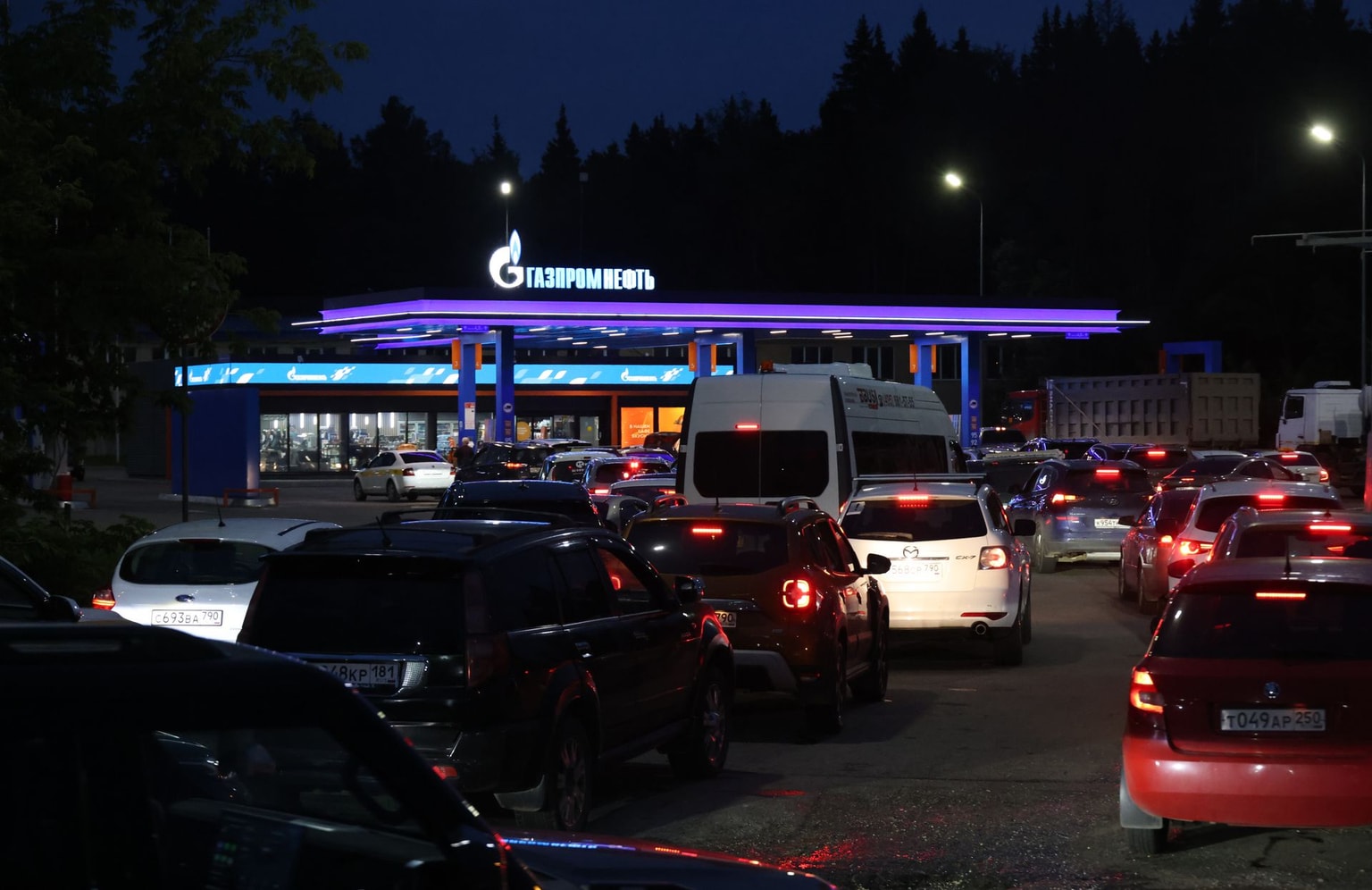
The assessment comes a day after major strikes on the Moscow Oil Refinery by Ukrainian drones and missiles.
Trump said that the deal would be more advantageous than buying the fertilizer from Canada.
According to internal analysis conducted by the military, 31% of Russia's overall force had signed up to avoid criminal charges, and 24% were in the military to improve their financial situation.
The proposal by the European External Action Service (EEAS), the EU's diplomatic arm, calls for adding 827 entities and 744 individuals to the bloc's sanctions list, marking the largest single package of listings to date.
(Updated: )
A large number of Russian "refineries have been blown up and are, at least temporarily, out of commission," Trump said, urging an end to the fighting.
(Updated: )
In exchange, EU ambassadors have provisionally agreed to extend the sanctions for 36 months rather than the originally planned 12 months, three national diplomats told the Kyiv Independent.
(Updated: )
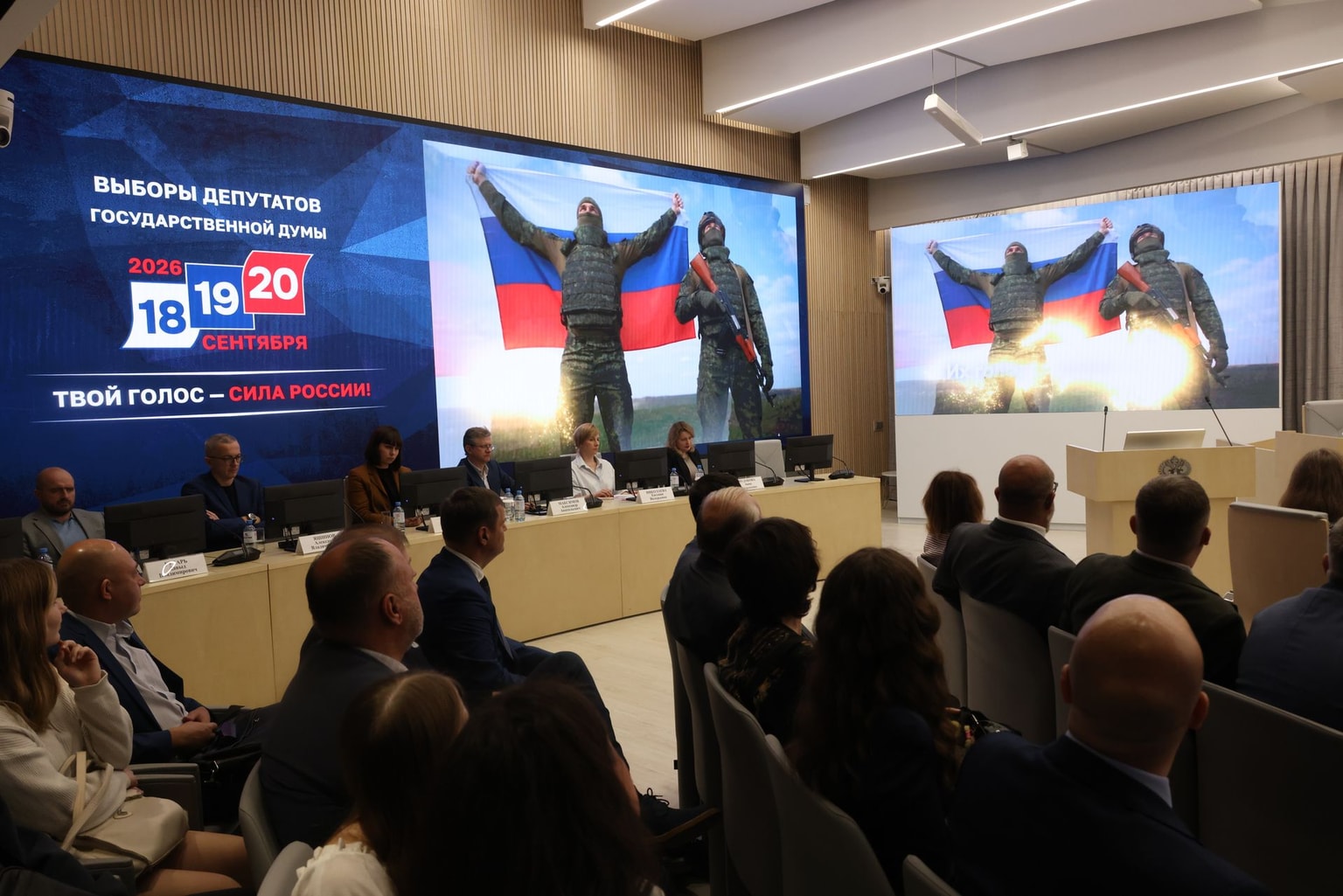
As is typical of elections in Russia, the results are widely considered by independent election monitors to be predetermined by Putin and his regime.