Ukraine war latest: Russia's oil refining capacity falls as damage from Moscow strikes sets in
 on Google
Key developments on Sept. 21:
- Russia's total oil refining capacity down 45% after mass attack on Moscow
- Exclusive: EU readies biggest-ever sanctions package targeting Russia's war machine
- Russia 'lost control' of its oil refining industry due to Ukraine's attacks, Trump says ahead of Zelensky meeting
- 69% of Russian soldiers on Zaporizhzhia front line have criminal records, Ukrainian military says
- Ukraine's Culture Ministry announces major fundraising initiative to help publishers struggling after Russian attacks
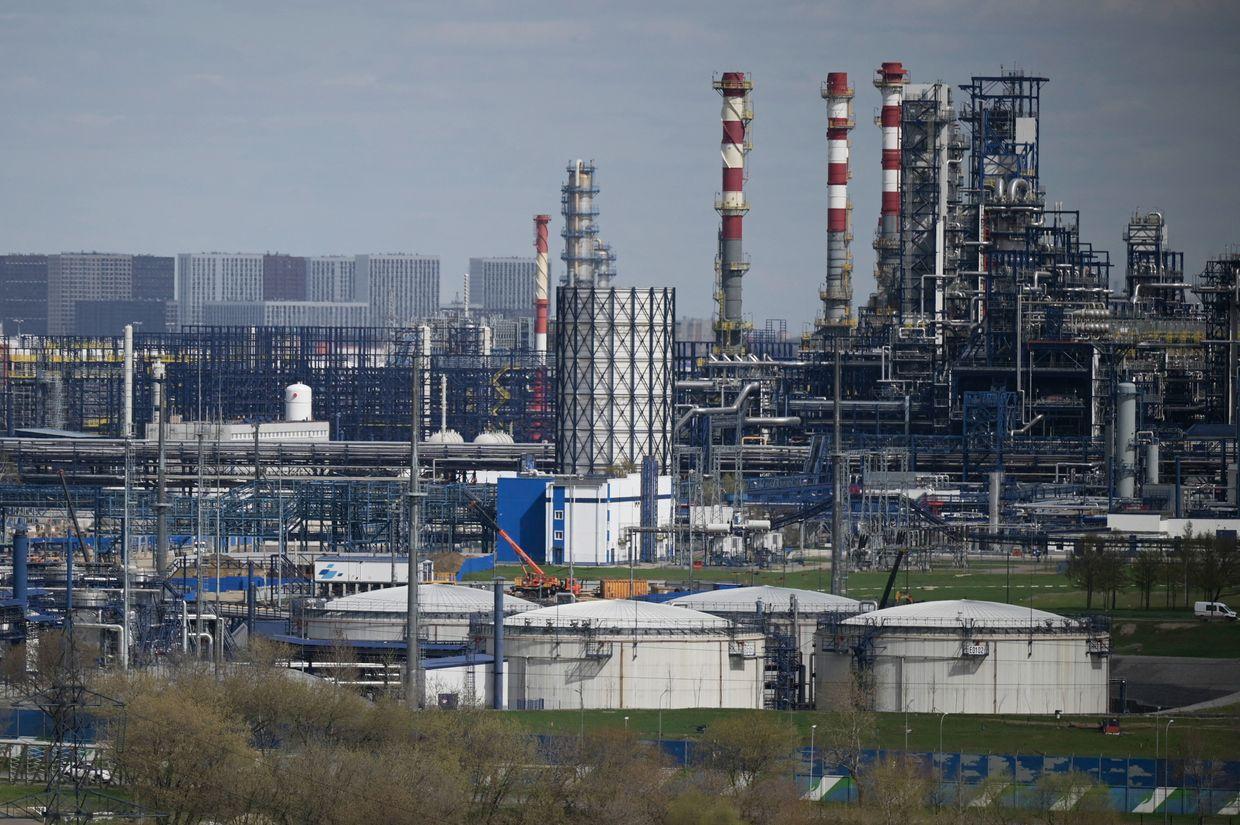
Ukraine's ongoing long-range strike campaign against Russian oil refineries has knocked out 45% of the country's total refining capacity, the General Staff reported on Sept. 21.
"One of the consequences is a shortage of high-quality fuel in the Russian Federation," the General Staff report said.
"Among other things, there is a sharp decline in the production of gasoline and diesel fuel of the Euro-5/K5 standard."
The assessment comes a day after major Ukrainian drone and missile strikes on the Moscow Oil Refinery in a mass attacks on the Russian capital.
The Moscow strike was only the latest in a spate of ongoing attacks against Russian refineries, with two others — in Yaroslavl and Samara oblasts respectively — struck since Sept. 14, according to the Ukrainian military.
According to a Reuters report citing industry sources, the Moscow Oil Refinery, owned by state-controlled company Gazprom Neft, stopped production after the Sept. 20 attack.
The refinery's main crude distillation units were hit, Reuters' sources said, with repair likely requiring weeks to bring the facility back online.
Exclusive: EU readies biggest-ever sanctions package targeting Russia's war machine
The EU's upcoming sanctions package, comprising nearly 1,600 listings, aims to hit Russia's war machine on an unprecedented scale, according to a document obtained by the Kyiv Independent.
The proposal by the European External Action Service (EEAS), the EU's diplomatic arm, calls for adding 827 entities and 744 individuals to the bloc's sanctions list, marking the largest single package of listings to date.
While previous EU sanctions packages have targeted Russia across various sectors — from finance to fossil fuels — or have included high-profile figures, the new listings specifically target companies and executives involved in Russia's defense-industrial complex.
The targeted industry players range from shipyards and aviation companies to electronics manufacturers, armored vehicle repair facilities, and aerospace companies.
The Kyiv Independent has chosen not to name any of the listings so as not to help Russia evade the EU's sanctions efforts.
Russia 'lost control' of its oil refining industry due to Ukraine's attacks, Trump says
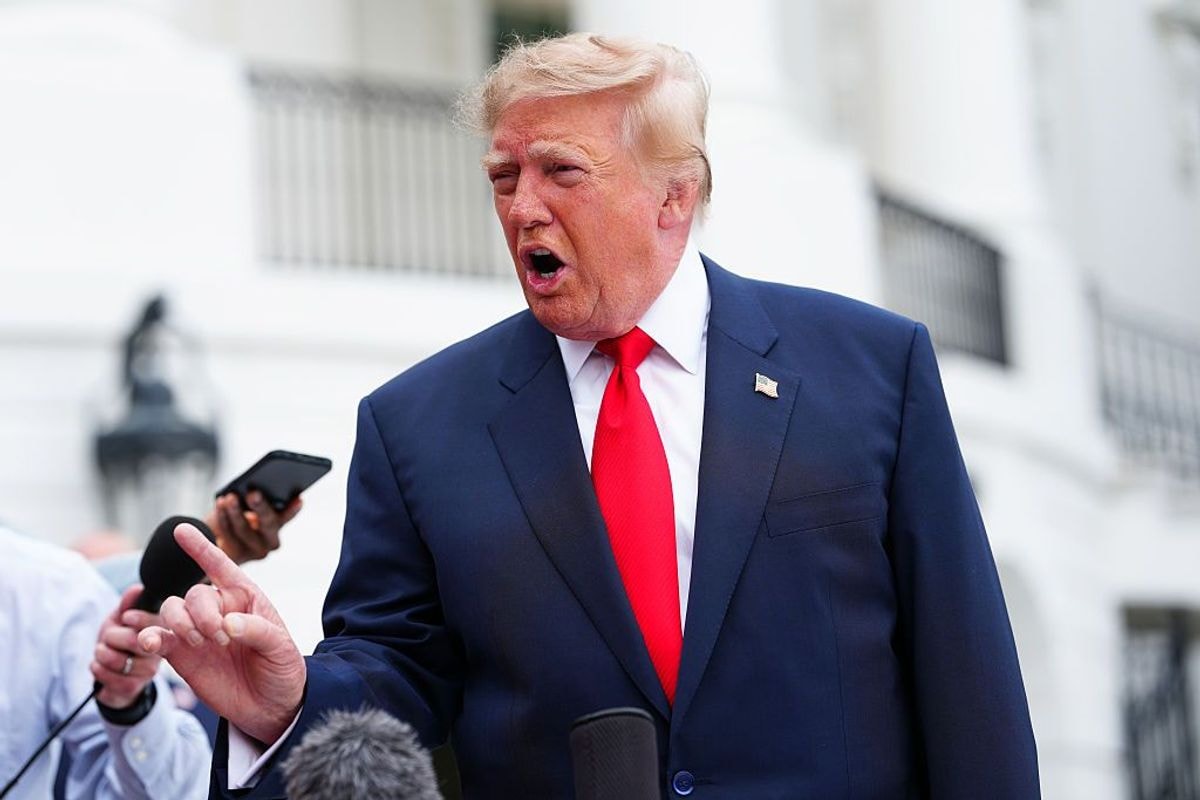
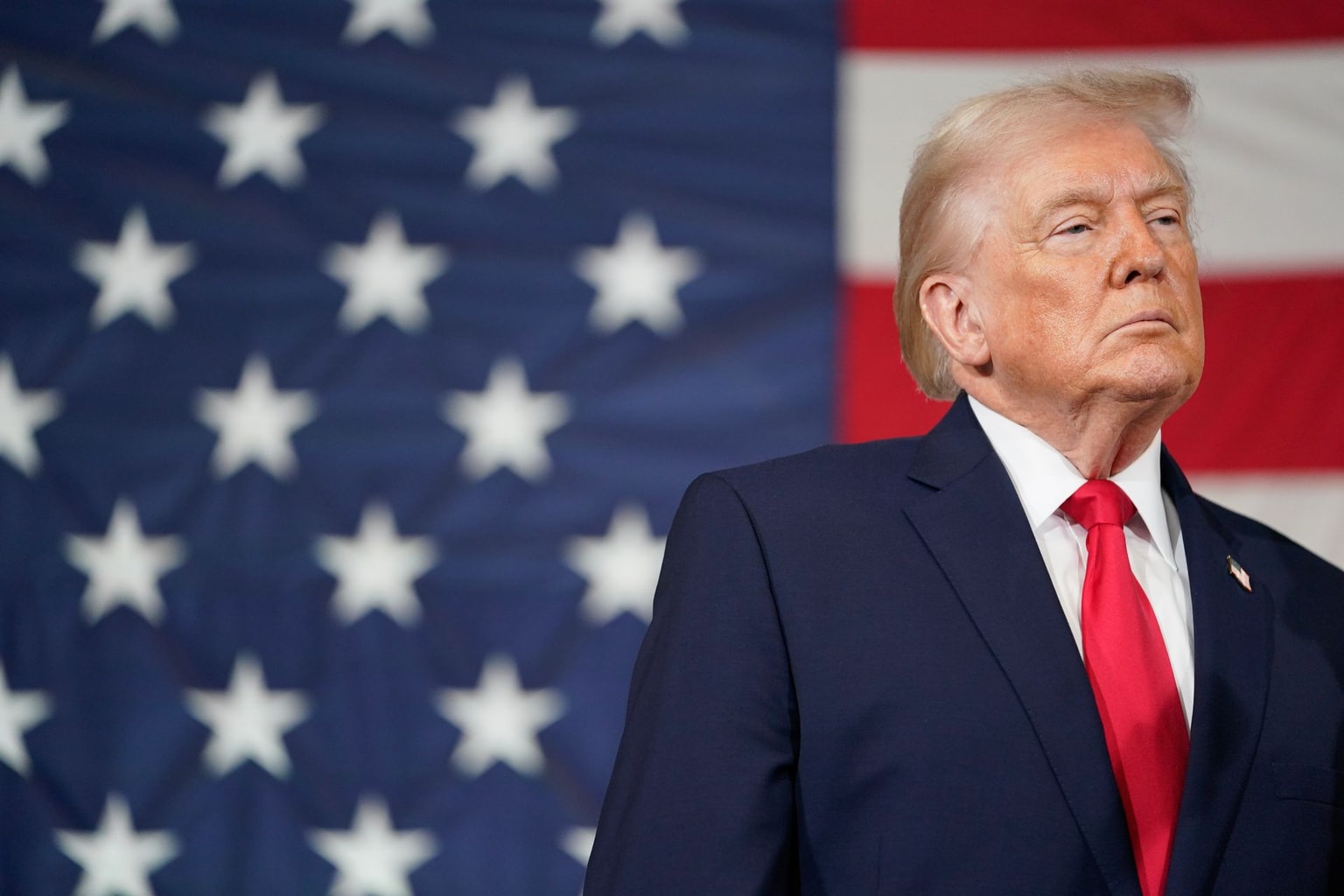
Russia has effectively "lost control" of its diesel production sector as a result of the war with Ukraine, U.S. President Donald Trump said on Sept. 21, urging an end to the fighting.
The comments come as President Volodymyr Zelensky travels to New York to meet Trump and discuss a potential mutual Ukrainian-Russian pause in strikes against energy infrastructure and targets on the Black Sea.
The two leaders are scheduled to meet on Sept. 22, a Ukrainian official told the Kyiv Independent.
"Russia has unfortunately lost control of its Diesel Oil Industry due to its War with Ukraine," Trump said on his Truth Social platform.
The U.S. president added that a large number of Russian "refineries have been blown up and are, at least temporarily, out of commission," noting that the "whole world suffers" as a result of the war.
Responding to Trump on social media, Zelensky echoed his sentiment that the war must end, saying, "From the very first minute, Ukraine has sought peace."
69% of Russian soldiers on Zaporizhzhia front line have criminal records, Ukrainian military says
Of the Russian force fighting near the Ukrainian city of Zaporizhzhia, 69% of servicemen have criminal records, Anastasiia Shevchenko, a spokesperson for Operational Task Force South, said on Sept. 21.
The figure likely reflects both the overrepresentation of those from poor and disadvantaged parts of Russian society among voluntary recruits, and the widely reported practice of offering men contracts to avoid prison time, often under coercive circumstances.
According to internal analysis conducted by the Ukrainian military, 31% of the overall Russian force had signed up to avoid criminal charges, and 24% were in the military to improve their financial situation, Shevchenko said in comments to Ukrinform.
While Russia still fields special units in its regiments and brigades made up of those taken straight from the penal system with promises of amnesty, many of the regular recruits have also had some form of criminal past.
Having concluded a three-day parliamentary election choreographed to reaffirm the wartime legitimacy of Russian President Vladimir Putin and his "party of power," the Kremlin is preparing to conduct a new round of forced mobilization to boost the military's stagnant offensive efforts, Kyiv has warned.
Ukraine's Culture Ministry announces major fundraising initiative to help publishers struggling after Russian attacks
The Culture Ministry announced a $500,000 fundraising initiative on Sept. 21 for grants that would aid independent Ukrainian publishers struggling with massive financial losses after Russian attacks destroyed 13 million books over the summer.
"For a small publisher, the loss of a single print run can bring operations to a halt for months. Yet it is small publishers that discover new authors, tackle complex and important subjects, and contribute to the diversity of contemporary Ukrainian books," Culture Minister Tetiana Berezhna said.
Russia's escalated attacks over the summer on Ukraine's economy have included strikes on publishers' warehouses and printing houses. According to the Culture Ministry, financial losses for the Ukrainian book industry have already reached at least Hr 1.75 billion ($32 million).