Global food prices climb to highest level since 2022 amid Black Sea strikes, UN reports
 on Google
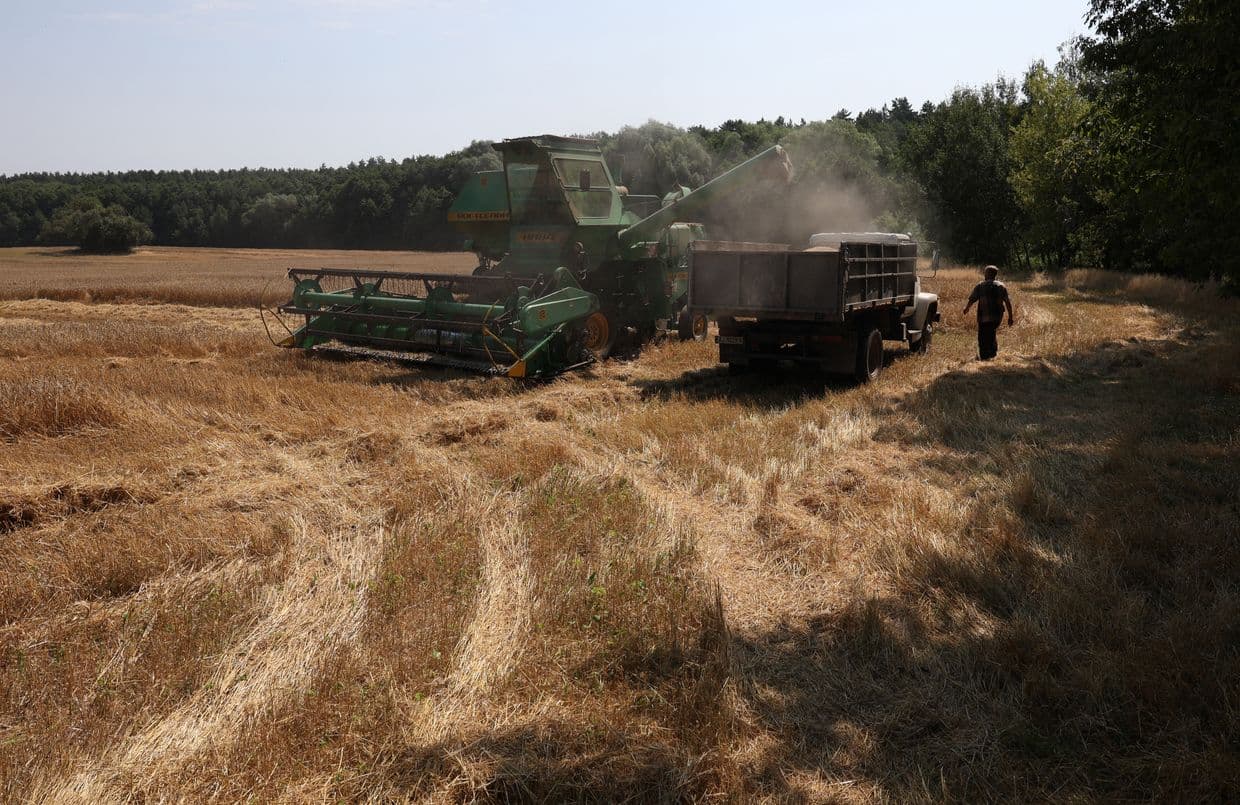
Food prices across the world reached a four-year high in August, in part driven by disruptions to grain export amid Russia's war against Ukraine, the United Nations Food and Agriculture Organization (FAO) said in a report published Sept. 4.
The report follows weeks of intensified Russian attacks on shipping corridors in the Black Sea, including deadly strikes on civilian grain ships. The campaign has led to declining exports, rising costs, and a shrinking number of vessels willing to dock at Ukrainian ports.
The FAO Food Price Index (FFPI) averaged 133.3 points in August 2026, its highest since March 2022, the FAO said in its monthly report. Prices rose across all commodity groups, though the total index remained about 16% below the peak attained in the early days of Russia's full-scale invasion.
Grain prices went up 2.5 points from the previous month, partly due to "continued uncertainty surrounding Black Sea export flows," the agency said. The cost of wheat, corn, sorghum, barley, and rice increased worldwide. Disruptions to Black Sea shipping was repeatedly cited as a contributing factor.
Weather concerns, including heat and dryness, and the closure of the Strait of Hormuz also contributed to the rise, according to the report.
Prices of vegetable oil, dairy products, meat, and sugar also increased globally in August, the report said.
The FAO also decreased its forecast for world grain production in its August report, bringing the number down by 3.4 million tons from its July prediction. According to the FAO, grain production in 2026 is expected to fall by over 61 percent from the previous year, representing "the largest annual decline since 2018."
The agency noted, however, that the output still marks the second-largest recorded harvest.
Throughout July and August, Russia stepped up its attacks on Odesa's seaports and civilian vessels in a bid to choke Ukraine's key trade route. Some 90% of the country's agricultural goods are exported via the Black Sea, accounting for 20% of the country's gross domestic product (GDP) before the full-scale invasion.
Ukraine's exports fell to just 30% of its target in the first two weeks of August, Agriculture Minister Taras Vysotsky reported.
Russia has rejected the idea of reinstating the 2022-2023 Black Sea grain initiative, instead ramping up strikes on ships and port infrastructure — leaving Ukraine to respond in kind.
The conflict in the Black Sea has sparked fears of a global food crisis. In July, Foreign Minister Andrii Sybiha said that Russia was "holding global food security hostage" by continuing to attack export corridors.