G7 countries pledge 260 million euros to repair Chornobyl safety infrastructure damaged in Russian attack
 on Google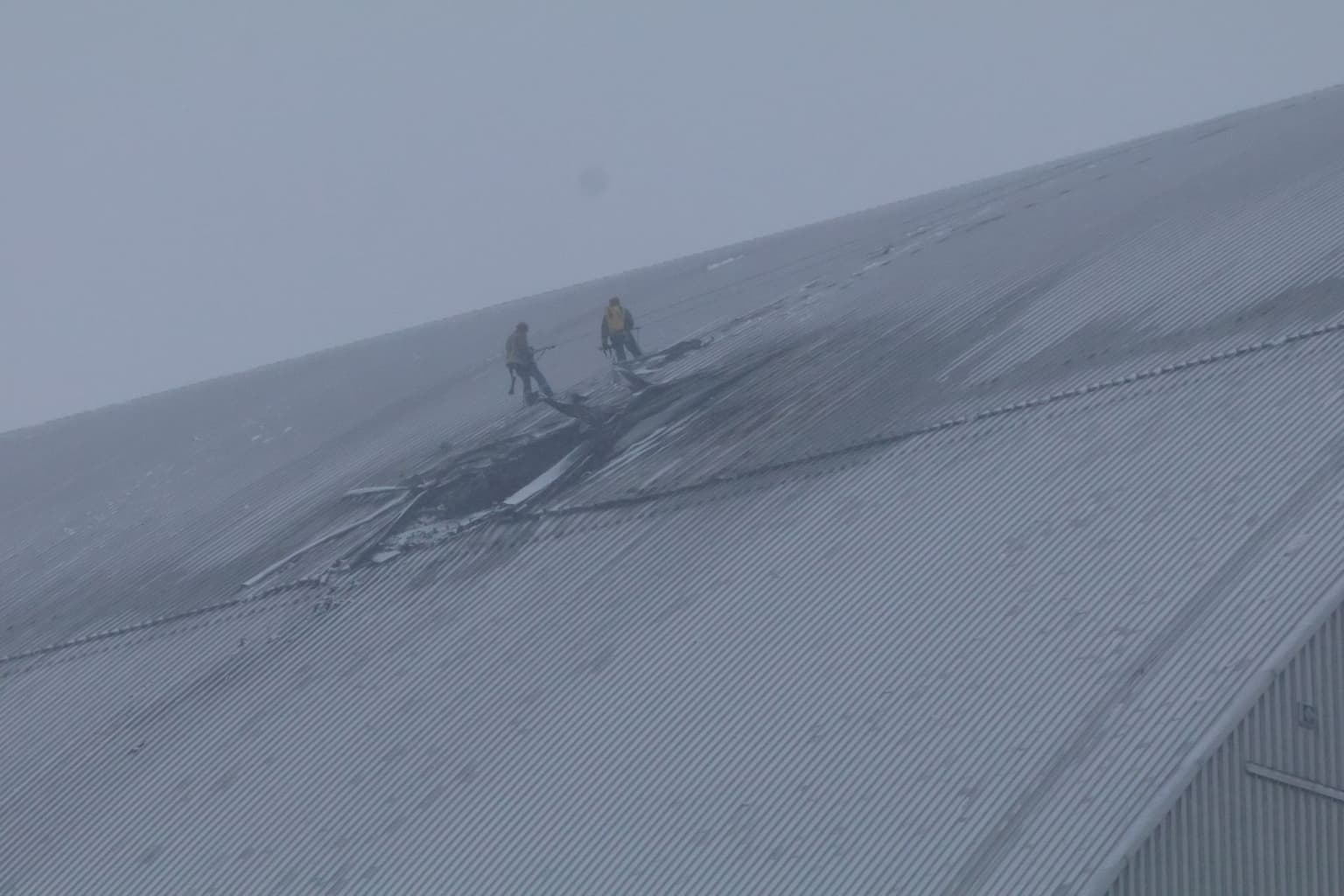
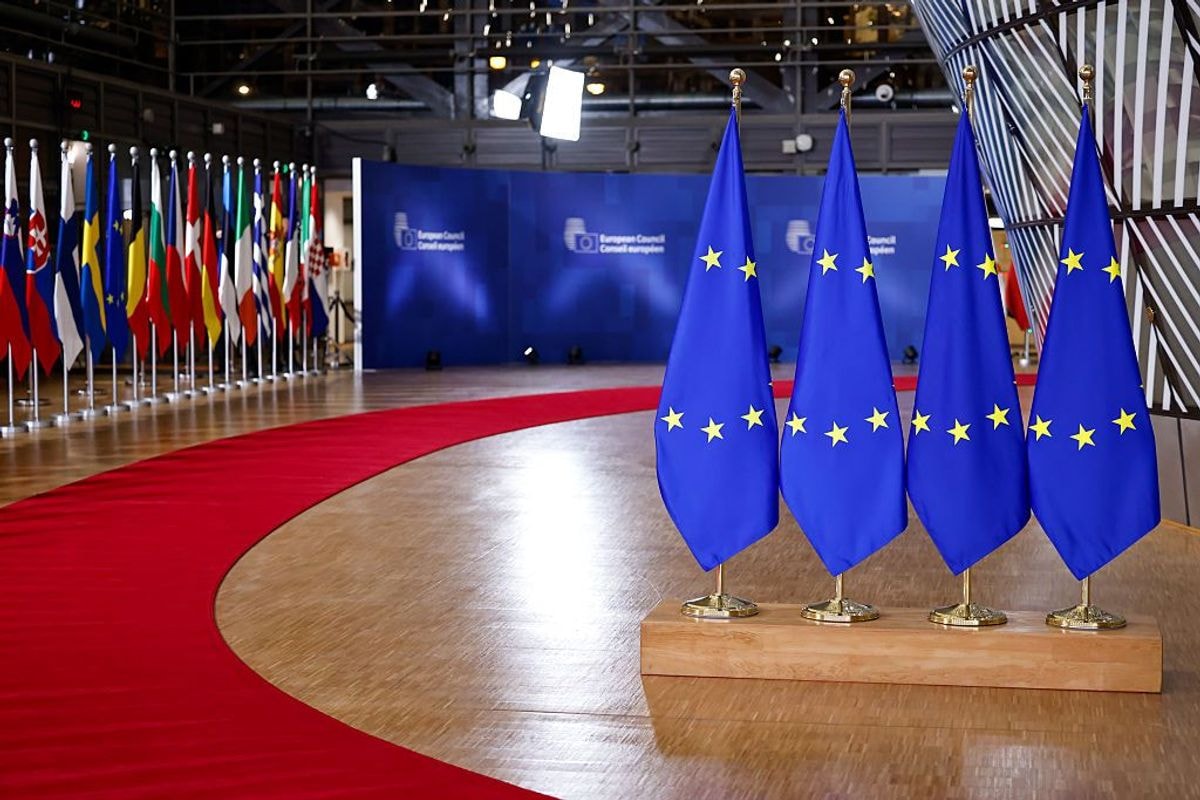
Group of Seven (G7) nations will provide 260 million euros ($292 million) to help repair safety infrastructure at the Chornobyl Nuclear Plant damaged in a Russian attack, the European Bank for Reconstruction and Development (EBRD) announced on Oct. 15.
"The G7 (Canada, France, Germany, Italy, Japan, the United Kingdom and the United States) expressed grave concern over the nuclear safety risks caused by the strike and pledged to mobilize funding to repair the New Safe Confinement," the EBRD said in a statement.
The New Safe Confinement is a massive, arching steel structure that was erected in 2016 to cover the remains of the reactor unit that exploded during the 1986 Chornobyl nuclear disaster. The structure encloses the original sarcophagus that was built shortly after the disaster to prevent the release of nuclear contamination.
The confinement structure, located about 130 kilometers (80 miles) north of Kyiv, was severely damaged in February 2025 after being struck by a Russian drone.
"This is a terrorist threat to the entire world," President Volodymyr Zelensky said at the time. "The only country in the world that attacks such sites, occupies nuclear power plants, and wages war without any regard for the consequences is today's Russia."
The attack breached the structure’s inner and outer protective structures, damaged critical systems, and "severely compromised its two primary functions: containing radioactive material and enabling the safe dismantling of the unstable original sarcophagus over Reactor Four," according to the EBRD.
The EBRD estimates that 500 million euros ($561 million) is needed to repair the structure, and the work must be completed by 2030 to limit the risk of corrosion and safeguard the structure’s 100-year design life.
Previously, the site was briefly occupied by Russian forces in the early days of the full-scale invasion. Russian troops held the station's staff hostage, creating significant risks to nuclear safety. On Mar. 31, 2022, Russian troops withdrew from the station. During the occupation, increased radiation levels were recorded due to the movement of heavy machinery that stirred up contaminated dust.