Uncategorized
EU spokesperson: Second tranche of EU macro-financial aid package to amount to 8 billion euros.
• 0 min read
 on Google
The first tranche, worth 1 billion euros, was approved by the European Union on July 12.

The first tranche, worth 1 billion euros, was approved by the European Union on July 12.

Chernihiv Oblast Governor Viacheslav Chaus said that on Putin's birthday, he hopes "the Russian dictator ends up in custody in The Hague or in hell."
Josefine Christensen, an analyst at the Danish national security and intelligence service (PET), said Russia was increasingly focusing on targets directly connected to Western military support for Ukraine.
The two Presidents discussed regional issues and the safety of navigation on the Black Sea, Erdogan's office said.
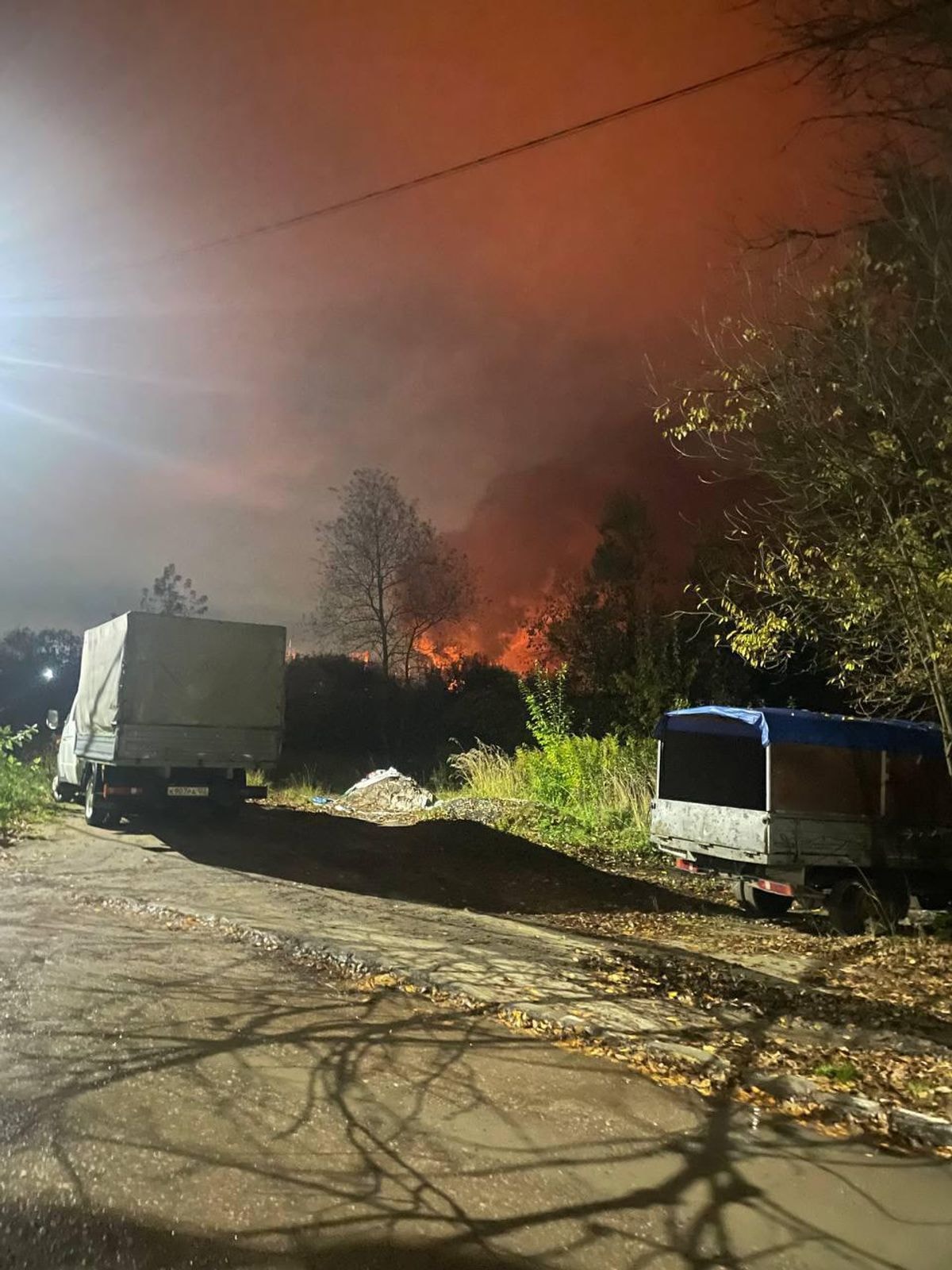
NASA's Fire Information for Resource Management System (FIRMS), which uses satellite data to detect thermal anomalies and fires, detected multiple hotspots at the facility.
The Kyiv Independent’s Kateryna Hodunova examines whether drafting women could actually help solve Ukraine’s manpower shortage, what challenges it would create, and why the proposal faces resistance in Ukrainian society and government.
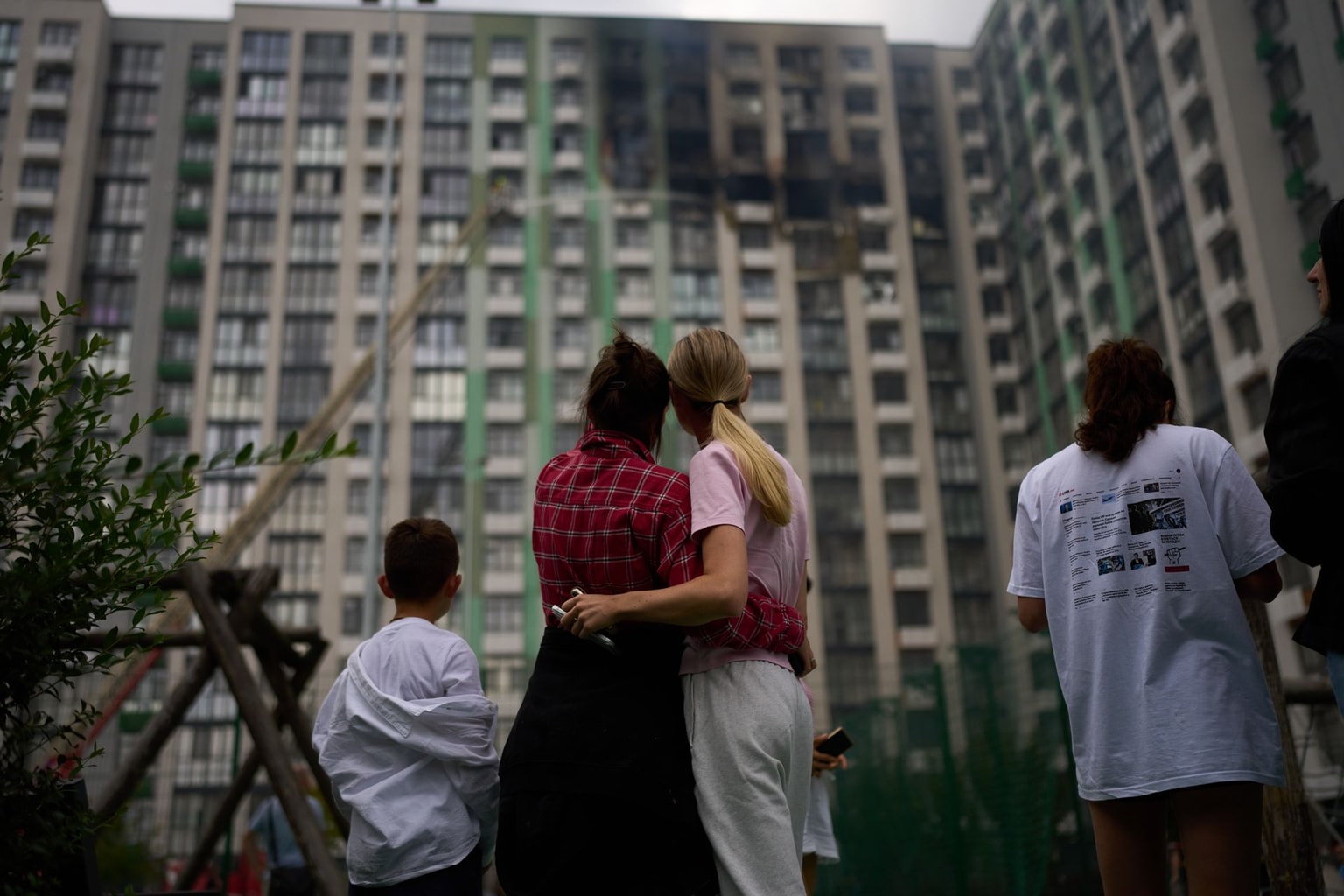
Fourteen of those killed died when a Russian cruise missile hit a residential building in Pryluky, in Chernihiv Oblast.
The list targets a wide range of defense industry players, from shipyards and aviation companies to electronics manufacturers, armored vehicle repair facilities, and aerospace companies.
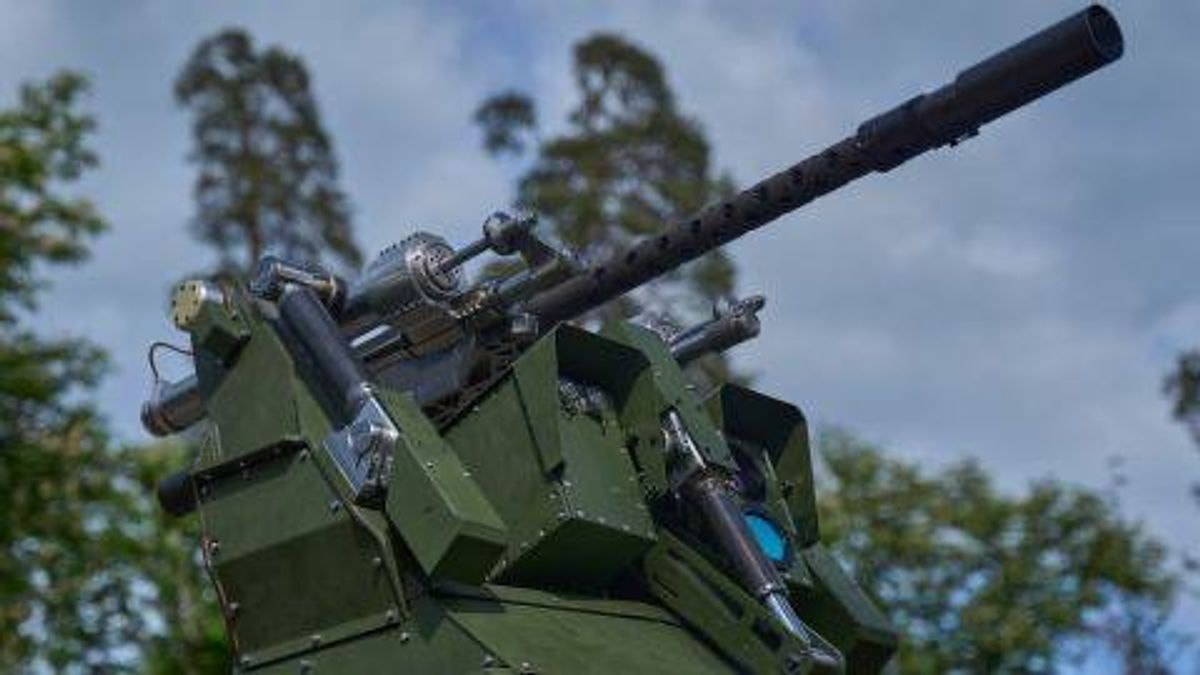
"The money will be spent on drones, drone interceptors, drone ammunition, and missiles manufactured by Ukrainian entities," reads a European Commission press release.
Assuming all goes as planned, opening the two clusters could help Ukraine benefit from the European Commission's new "gradual integration" idea.
The money would be funneled into Norway's Nansen Support Program, named after humanitarian Fridtjof Nansen, who led famine relief efforts in Ukraine in the early 1920s.
The number includes 1,690 casualties that Russian forces suffered over the past day.
"The escorts of the illegal migrants, who were located on the Belarusian side, were armed, issued threats to (Latvian) soldiers, and also actively urged and drove the migrant group toward Latvia," Latvian Interior Minister Janis Dombrava said.