EU sanctions Kremlin troll factory, hacker group in new push against Russian hybrid activities
 on Google

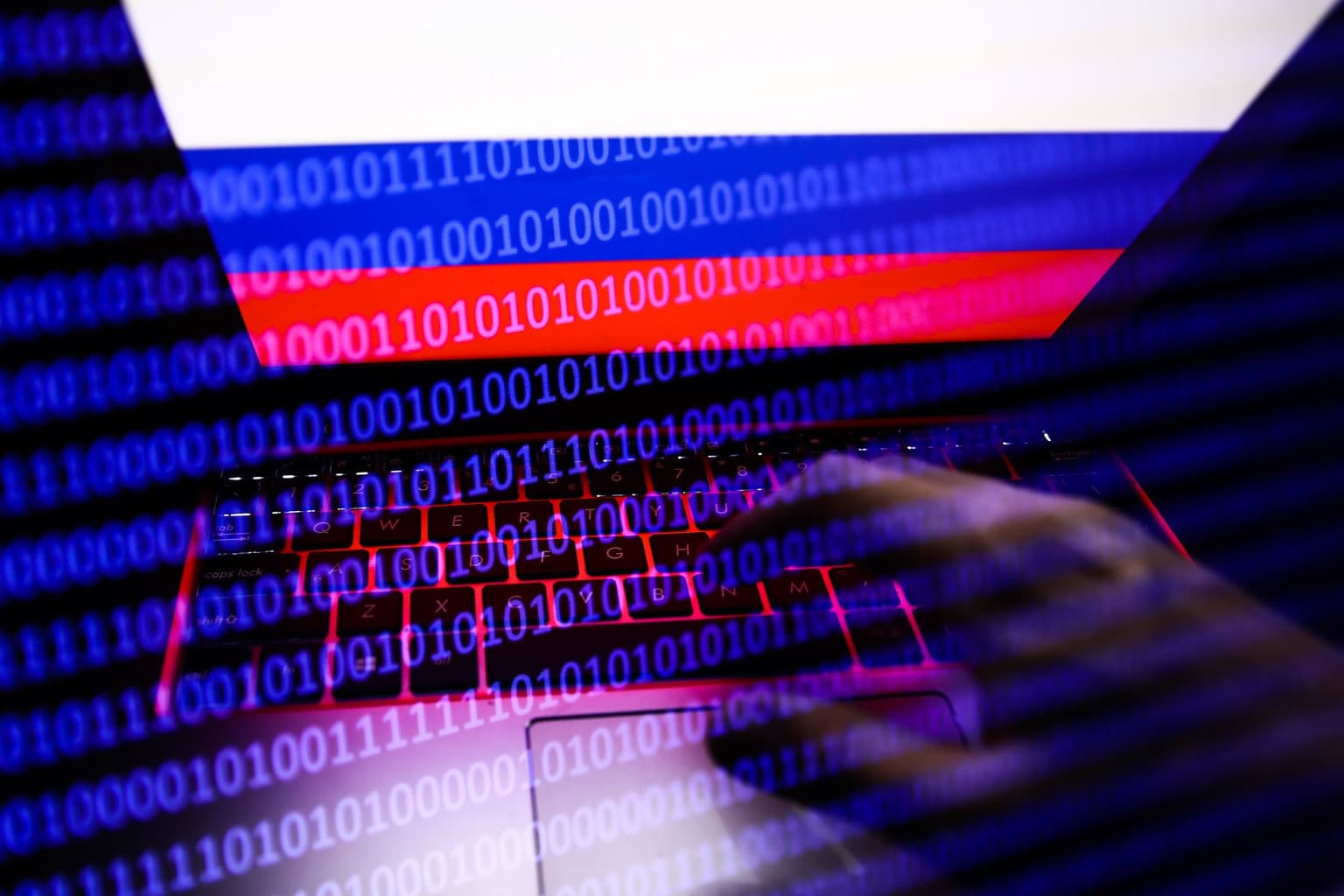
The EU on Nov. 16 adopted new sanctions against two entities and 30 individuals involved in Russia's disinformation and cyberwarfare activities, including the Kremlin-backed Social Design Agency (SDA).
The Council of the EU adopted the package as Western officials raise alarm over the growing threat of Russian election interference and other hybrid activities across Europe.
EU foreign ministers approved the new listings under the sanctions regime targeting Russia's hybrid threats, imposing asset freezes and transaction bans in the EU.
The primary target of the latest package is the SDA, a Moscow-based IT company accused of conducting the Kremlin's influence operations abroad.
The company is believed to be behind the Doppelganger operation, a campaign imitating Western news outlets and organizations to spread pro-Russian disinformation. The list also includes 24 SDA writers, managers, analysts, and other employees.
Further listed are Yurii Podoliaka, one of the most popular Russian war bloggers, with over 2.6 million followers on Telegram; Chay Bowes, a correspondent at the RT International propaganda outlet; and employees of the Russian state media.
These figures "have participated in information manipulation and dissemination of narratives that legitimize and sustain the ongoing Russia's war of aggression against Ukraine," the Council of the EU said in its press release.
The news comes as Europe heads into a series of high-stakes elections, including in Spain later in November and in France, Italy, Poland, and Slovakia next year.
European officials and disinformation monitors warn that Moscow will likely attempt — or is already attempting — to undermine those candidates and parties who support Kyiv, while boosting anti-EU and radical political forces.
The sanctions package also targets Russia's cyber activities, namely the NoName057(16) pro-Russian hacker group, believed to be behind numerous Distributed Denial-of-Service (DDoS) attacks in Ukraine, Europe, and the U.S. since March 2022.
"The energy, financial, and transport sectors, water supply facilities, as well as political parties and candidates during electoral processes were notably targeted," the press statement read.
The group came into the spotlight recently after it leaked personal information about Italian Foreign Minister Antonio Tajani, his family members, and other Italian officials.
Tajani linked the cyber attack to Rome's support for Ukraine.
NoName057(16) was also one of the two hacker groups to claim responsibility for large-scale cyberattacks in October that targeted supermarket refrigerators and freezers across Europe, costing companies millions of dollars in food.
The group's responsibility for the attack has not been independently verified, and the EU has not publicly blamed Moscow for the attack.