Estonia moves troops closer to Russian border amid shift in strategic thinking
 on Google
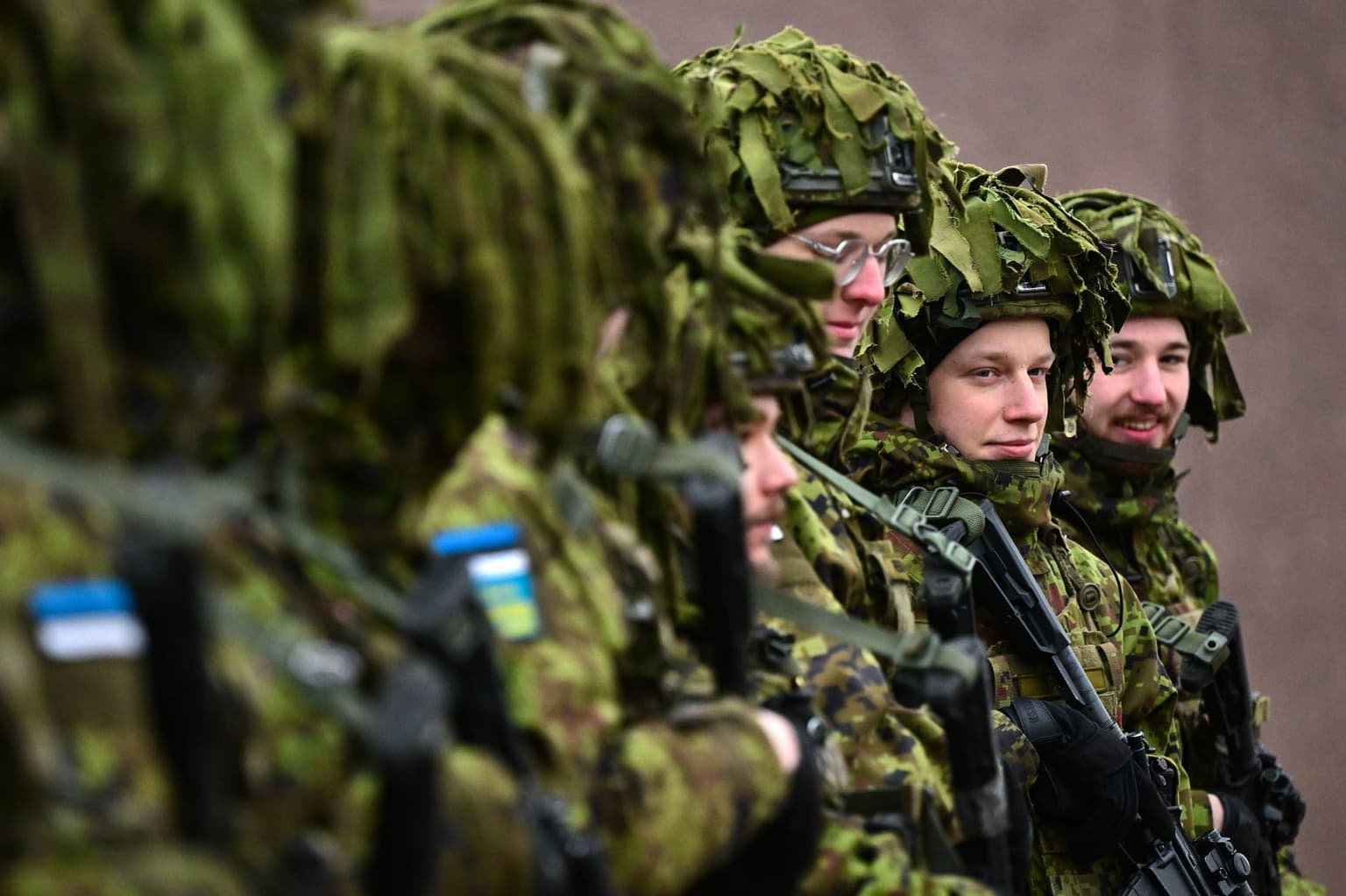
Estonia's 1st Brigade, the main combat-ready element of the country's land forces, will be moving to a newly expanded base less than 50 kilometers from the Russian border, placed to better meet a possible Russian attack.
The move, revealed in comments by the unit's commander, Tarmo Kundla, published in the Financial Times on Oct. 5, comes amid increased awareness of Russian military designs on the Baltic country.
The 1st Brigade will relocate from its previous base in Tapa to the town of Johvi, just west of the city of Narva on the Russian border.
Narva is often seen as a potential flashpoint of hybrid or kinetic attacks not only due to its location, but because the majority of its population is Russian-speaking, a common tool of Russian propaganda to justify aggression.
According to Kundla, the brigade's move is connected to a shift in strategic thinking for the Estonian military, which relies on the airpower of NATO forces based in the region — as well as on the deterrent of the alliance's Article 5 — to protect against an attack from its much larger neighbor.
“We have to start from the border and win from the first battles,” Kundla said, explaining that the move will help the army to fight with a posture of "active defense," allowing immediate return strikes on targets deeper in Russian territory in the event of an invasion.
Although Moscow has failed to achieve any of its strategic aims in almost five years of full-scale war against Ukraine, Russia's war has led many countries on NATO's eastern flank to amp up defense spending and reassess military doctrine, as the nature of warfare itself has undergone a paradigm shift.
In recent years, the Trump administration's open questioning both of the United States' status as Europe's security guarantor, and of Article 5 itself, has unnerved NATO members on the eastern flank.
In 2026, Estonia announced a record 42% increase in defense spending, reaching 2.4 billion euro ($2.69 billion), or around 5.4% of the small country's GDP.
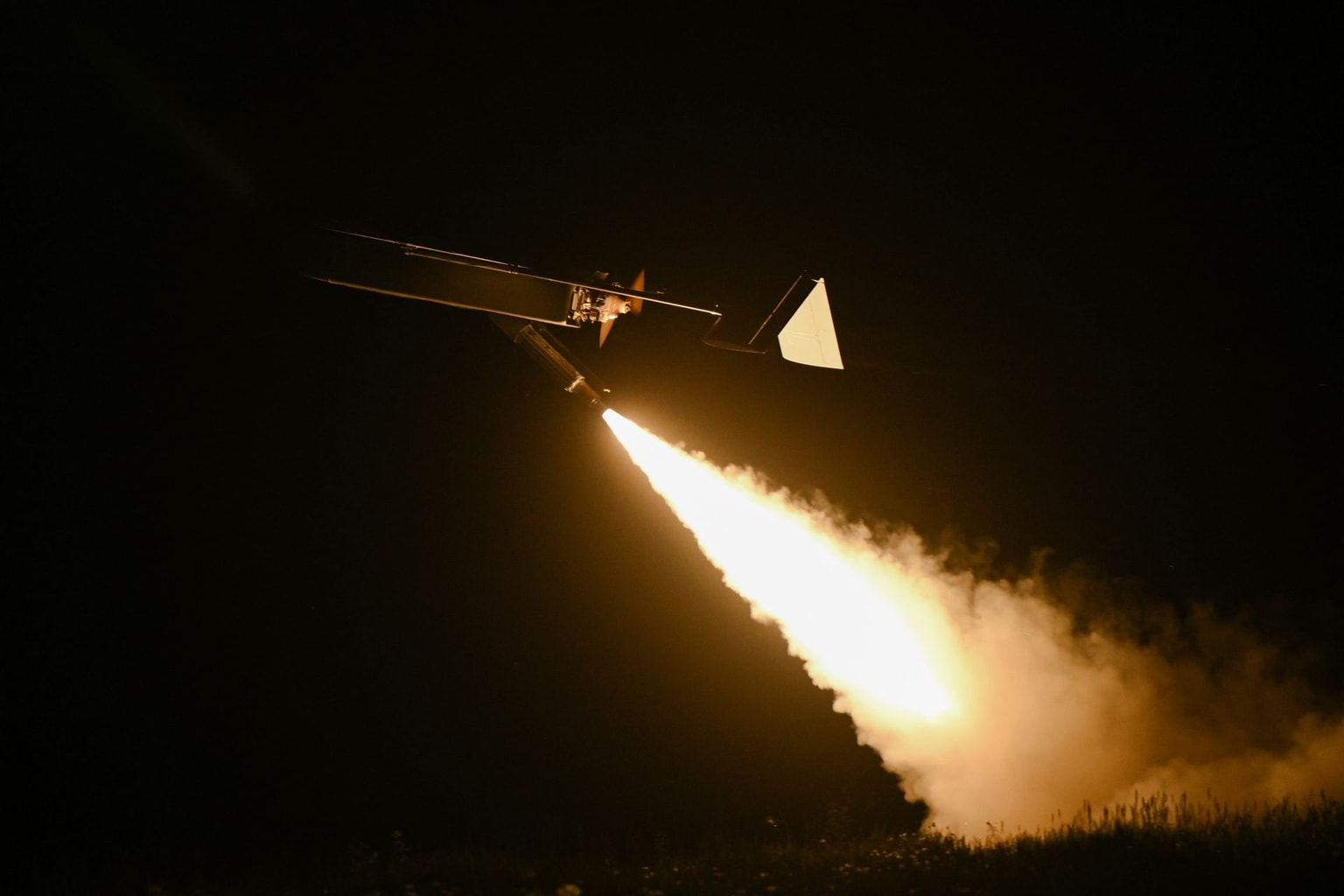
With the extra spending also came procurement of new weapons systems, including U.S.- and South Korean-built rocket systems that could strike St. Petersburg.
“We are in the process of changing everything,” said a military policy official at Estonia’s defense ministry quoted by the Financial Times.
“The reality is that the [Estonian defense planning] has been the same for the last 10 years. But Russia is already planning to double its forces across our border.”