Armenia releases final election results as pro-Russian opposition demands new vote
 on Google
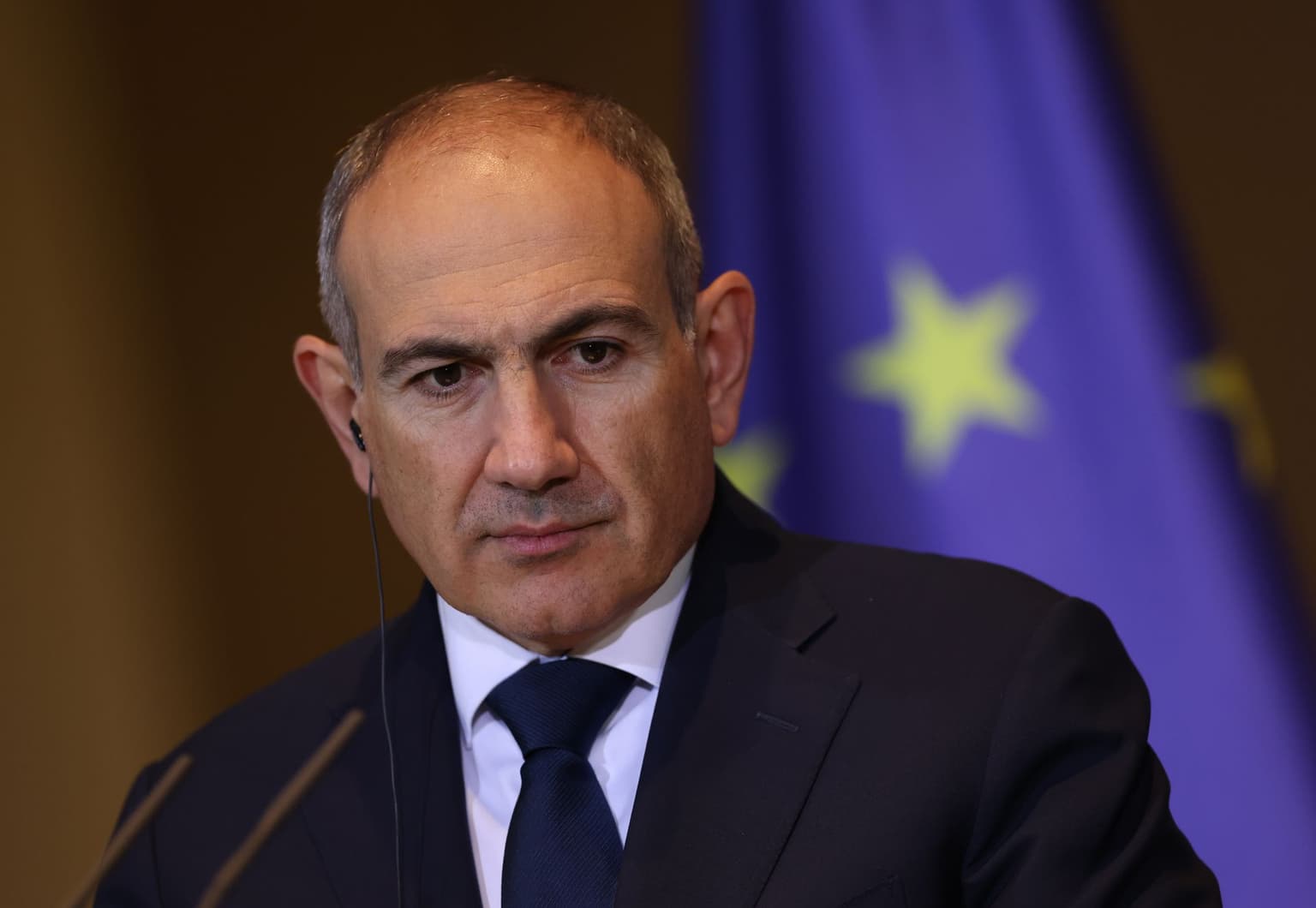
Armenia's Central Electoral Commission announced the final results of the recent parliamentary elections during an extraordinary session on June 14, amid protests from opposition forces.
Incumbent Prime Minister Nikol Pashinyan and his Civil Contract party were victorious in Armenia's June 7 election, which saw a clear defeat for the Kremlin-friendly opposition coalition led by billionaire Samvel Karapetyan.
According to the Commission's official tally, the Civil Contract party ended up securing 49.74% of the vote, which translates to 61 out of 105 seats in parliament. This gives Pashinyan's party the ability to independently form a government and adopt laws.
Karapetyan's Strong Armenia party finished with 23.27%, granting it 28 seats in the National Assembly.
The Commission announced that Civil Contract would also receive three additional seats reserved for national minorities, while Strong Armenia will receive one. In total, Civil Contract will hold 64 seats in the legislature while Strong Armenia will hold 29.
The third-place winner, Armenia Alliance, won 9.92% (12 seats). The Prosperous Armenia party, led by businessman Gagik Tsarukyan, received only 3.89% of the vote — just under the 4% threshold necessary to win parliamentary seats.
read also
The announcement came as hundred of opposition figures and their supporters held a demonstration outside the Central Electoral Commisision building, demanding that the results of the June 7 vote be annulled and a new election held.
Armenian boxer Israyel Hakobkokhyan participated in the protests, wearing a shirt with the face of Russian President Vladimir Putin, according to Radio Free Europe / Radio Liberty (RFE/RL). Hakobkokhyan claimed he would go on a hunger strike until new elections were held.
While the Commission held some recounts in its effort to verify the results, it also threw out the results from three rural polling stations and did not call for a new round of voting in those areas, saying the number of votes would not affect the outcome. Opposition groups viewed this decision as proof that the Commission is collaborating with Pashinyan's government.
Opposition forces have alleged widespread electoral fraud, though independent monitors have not substantiated those claims.
After the results were first announced on June 8, Russian Foreign Ministry spokesperson Maria Zakharova claimed the vote had taken place "amidst severe repression" and that democratic procedures were "grossly violated."
Armenia's parliamentary election was widely seen as a choice between a westward-tilting, European trajectory or a reconciliation with Moscow.
Pashinyan's government has increasingly pulled Yerevan away from Russia, its traditional ally, and sought closer ties with the West. While Russia has a longstanding military and economic partnership with Armenia, the strained relationship has deteriorated since Moscow failed to protect Armenia from Azerbaijan during the Nagorno-Karabakh crisis in 2024.
The Kremlin has not taken kindly to this distancing, with Putin threatening a "Ukrainian scenario" for Armenia if it continues building ties with the EU. Russia has already pulled its ambassador from Yerevan and threatened to cancel a 2013 agreement guaranteeing duty-free exports of natural gas and petroleum products to Armenia.