Cuba seeking Russian drones, military equipment amid discussions of attack on Guantanamo Bay, Axios reports
 on Google
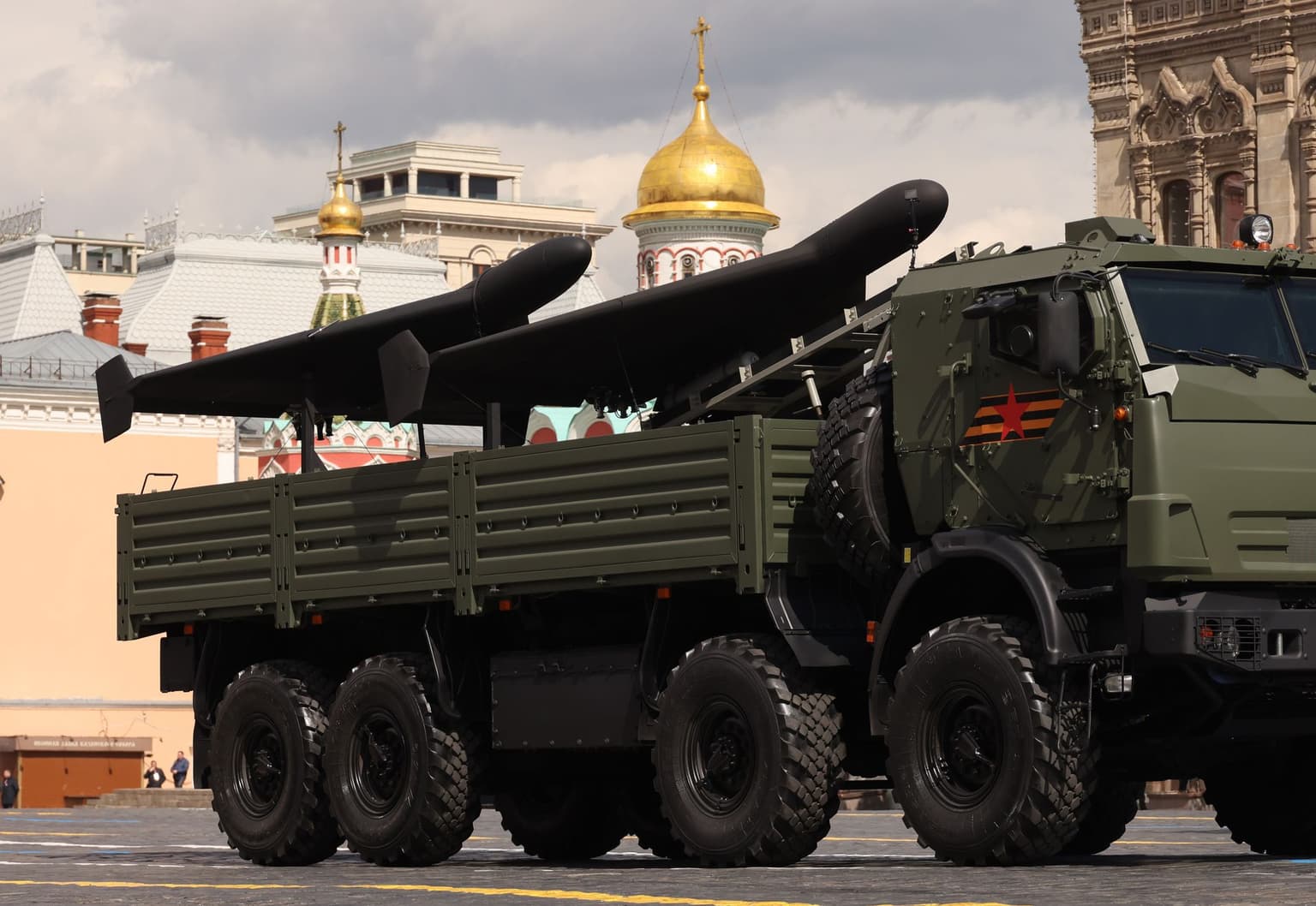
Cuba has sought to acquire drones and other military equipment from Russia within the past month and is discussing plans to attack the U.S. military base at Guantanamo Bay, targets in Key West, and U.S. military vessels, Axios reported May 17, citing unnamed U.S. officials.
Cuban officials are also trying to learn how Iran has been able to resist U.S. military pressure amid Washington's strikes on the Middle Eastern country, a senior U.S. official said.
Havana has already purchased over 300 Russian and Iranian drones of "varying capabilities," storing the weapons in various locations across the country.
"When we think about those types of technologies being that close, and a range of bad actors from terror groups to drug cartels to Iranians to the Russians, it's concerning," the senior official said.
Using its strategic proximity to the U.S., Cuba hosts espionage facilities collecting "signals intelligence" for China and Russia, Axios reported.
With Central Intelligence Agency (CIA) Director John Ratcliffe's May 14 visit to Cuba, Washington made it clear that the island should abandon its totalitarian regime for the U.S. to end sanctions against Cuba and warned against any military escalation, a CIA official said.
"Director Ratcliffe made clear that Cuba can no longer serve as a platform for adversaries to advance hostile agendas in our hemisphere," the CIA official added.
Cuba has contributed around 5,000 soldiers to Russia's war against Ukraine and has picked up on the effectiveness of drone warfare, U.S. officials said.
"They're part of the (Russian President Vladimir) Putin meat grinder. They're learning about Iranian tactics. It's something we have to plan for," the senior U.S. official said.
In October, Ukraine closed its embassy in Havana and downgraded diplomatic ties due to the high number of Cuban citizens recruited to fight in Russia's full-scale war.
Despite the discourse among Cuban officials, the U.S. is not concerned that Havana could pose a serious threat.
"No one's worried about fighter jets from Cuba. It's not even clear they have one that can fly," the senior U.S. official told Axios. "But it's worth noting how close they are — 90 miles... It's not a reality we are comfortable with."
The U.S. may use the intelligence as a pretext for U.S. military action against Cuba amid the presence of Iranian military advisors in the nation's capital, the senior U.S. official said.
The U.S. Department of Justice is expected to unseal an indictment against high-level Cuban official Raul Castro over a 1996 downing of civilian planes, Axios reported.
Castro is considered the country's de facto leader and was formerly Cuba's president, stepping down in 2018 after holding power since 2006. He also served as the first secretary of the country's Communist Party from 2011 to 2021 and remains highly influential among Cuban officials.