Ukraine's parliament can fill Zelensky's budget black hole, if it does the reforms, EU letter reminds
 on Google
Ukraine could unblock over 20 billion euros ($23 billion) of EU funding by the end of 2026, but only if its parliament implements a set of planned reforms, reads a Sept. 14 letter from the European Commission addressed to the parliament's speaker, Ruslan Stefanchuk.
The letter, first reported by the Suspilne public broadcaster and seen by the Kyiv Independent on Sept. 16, comes as a series of reforms remains blocked in the parliament, and weeks after President Volodymyr Zelensky identified a $27 billion hole in the 2026 budget.
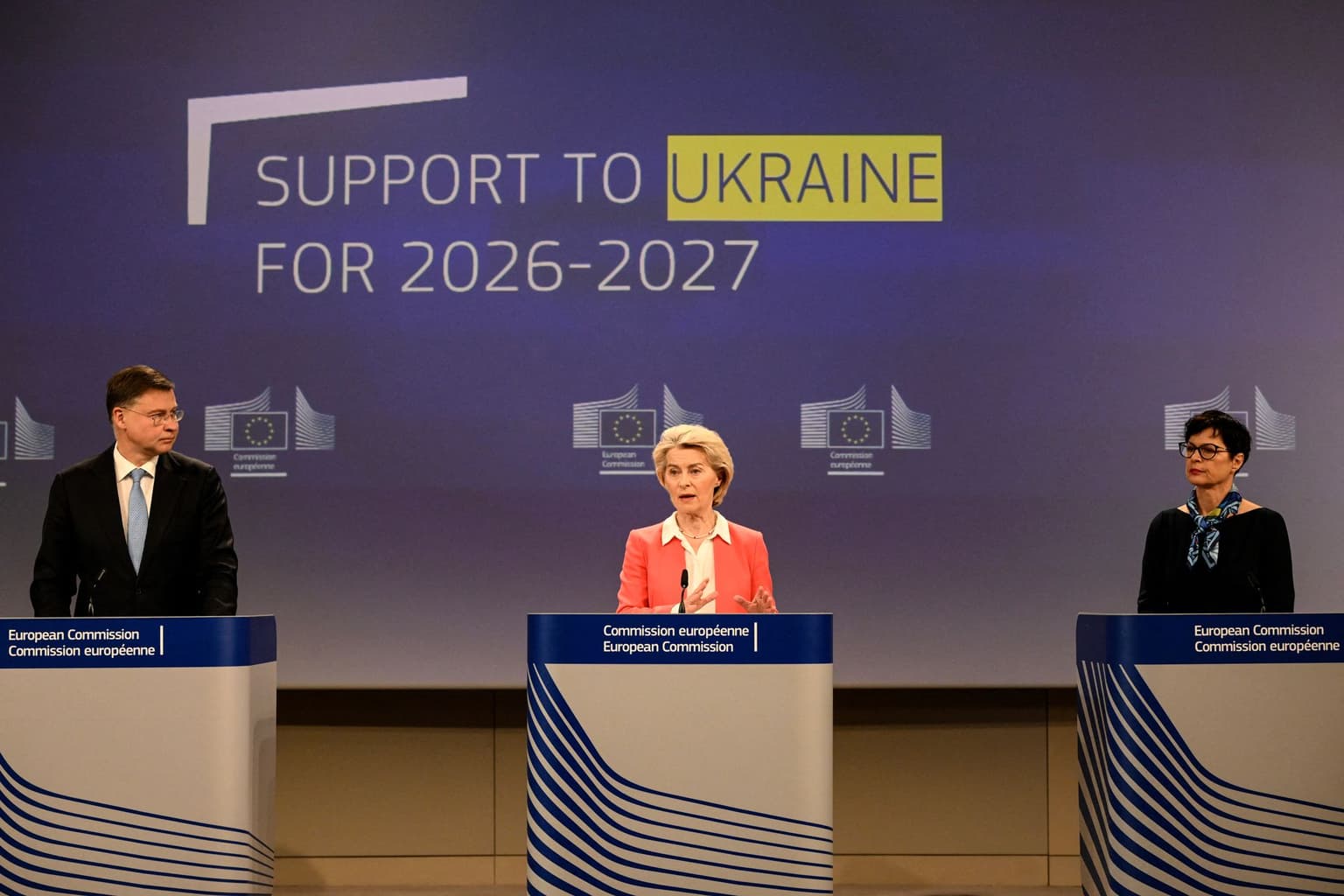
"Over 20 billion euros in EU financial assistance remains available for disbursement until the end of 2026, subject to the fulfillment of reforms in line with the EU requirements," reads the letter, which was sent by the EU's economy and enlargement commissioners, Valdis Dombrovskis and Marta Kos, respectively.
"The Verkhovna Rada (the Ukrainian parliament)… has a decisive role in turning reform commitments requiring legislative action into tangible results for Ukraine," the letter continues.
The letter also reminds that the reforms are beneficial for Ukraine more broadly: increased income to fund public resources, an improved business climate, more investment, and unlocking further support from the International Monetary Fund (IMF), all of which are among the reasons cited for Kyiv to stick with the reform agenda.
On the same day the letter was sent, Prime Minister Serhii Koretskyi met with lawmakers to clarify the timetable for future votes.
And on the morning of Sept. 16, the Parliament advanced one of the bills required to unlock funding, on tax exemptions for packages, which had been blocked for months.
So far, the EU and its member states have provided 220 billion euros ($254 billion) of support for Ukraine since the start of the full-scale invasion, claims the letter.
"Other international partners should also step up their commitments, with the (Verkhovna) Rada playing an important role in mobilizing broader support," the letter reads.
The EU's 90 billion-euro ($104 billion) loan to Ukraine, approved in April 2026, is designed to cover two-thirds of Kyiv's total budgetary needs until the end of 2027.
Other allied countries were expected to contribute the remaining third, though this has not yet happened, and figures both from the EU and Ukraine have begun insisting on this more explicitly in recent weeks.
The letter also mentions that progress on EU integration is held up by the need for the parliament to take "further steps on the protection of persons belonging to national minorities and their education rights."
While not naming any specific countries, the letter does say "member states attach particular importance to resolving this issue" for the accession process to advance.
It is widely understood in Brussels that Hungary is the main country pushing for concrete progress on this topic.
"The Verkhovna Rada has been central to Ukraine's democratic resilience and European choice... we count on the Rada's continued commitment to taking these reforms forward in the long-term interests of Ukraine and its citizens," reads the letter.