Ukraine's Europe minister says non-EU allies need to step up their financial support
 on Google
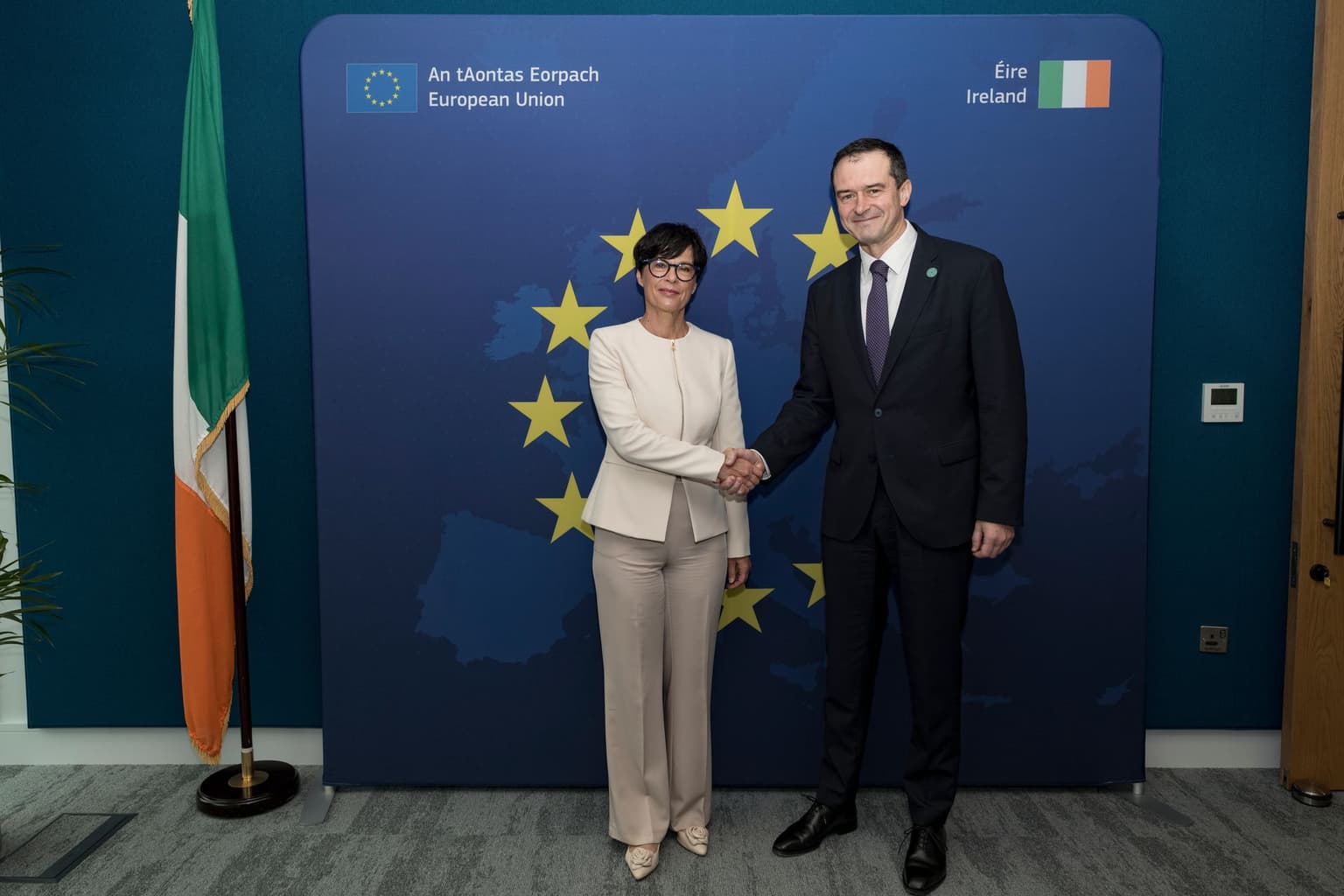
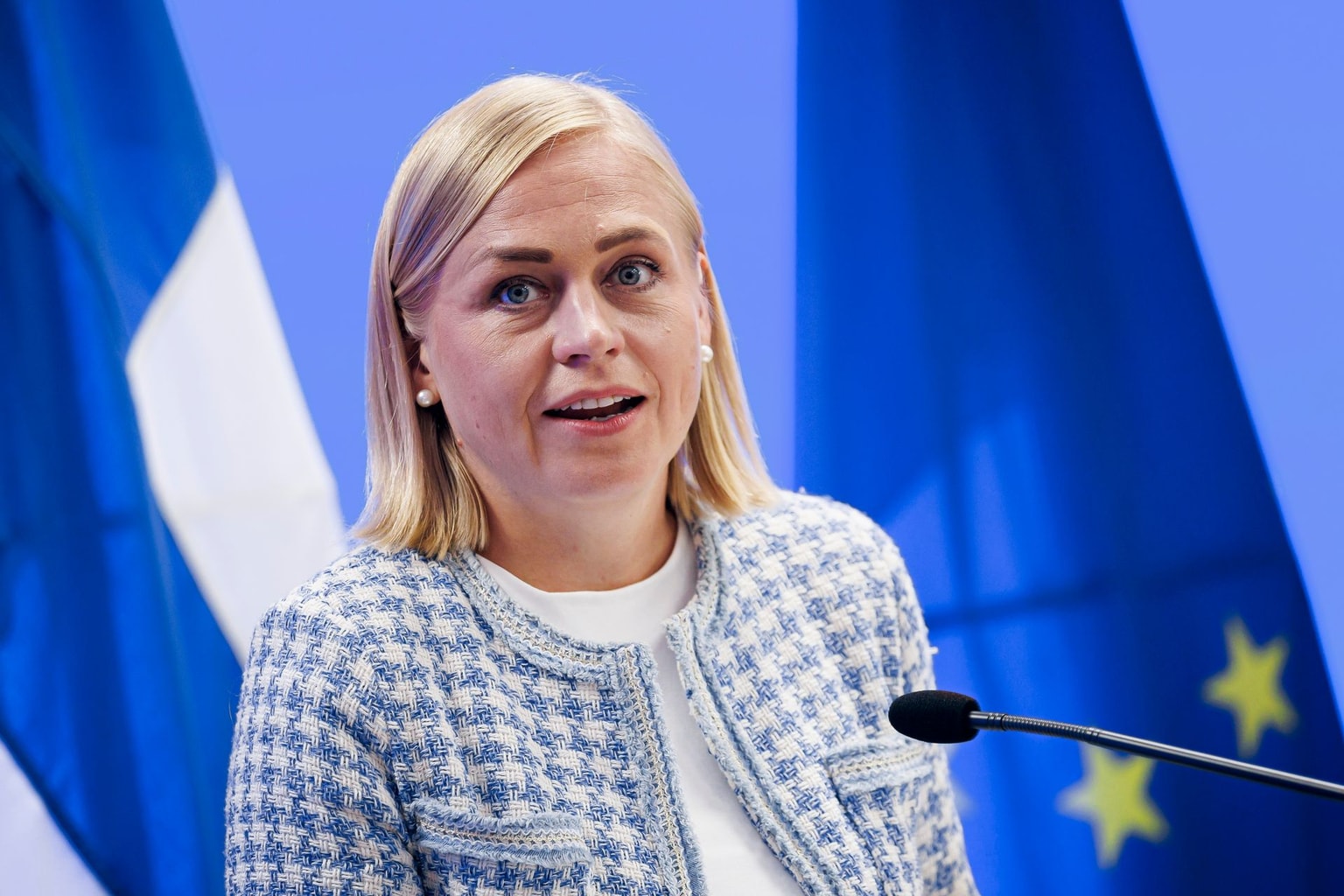
It is primarily non-EU countries that need to ramp up financial assistance to Ukraine in 2026 and beyond, said Deputy Prime Minister for European Integration Vsevolod Chentsov at an EU meeting of European affairs ministers on Sept. 4 in Wicklow, Ireland.
The meeting, Chentsov's first since he took the position in July, focused on discussing the EU accession status of membership candidate countries, such as Ukraine.
Next to advancing Ukraine's EU membership bid, the main priority for Kyiv vis-a-vis the European bloc is to bridge a looming financial hole of $27 billion by the end of 2026.
"We are talking both to the EU and other partners to cover the gap for this year... frontloading is probably one of the solutions, but it is not a silver bullet," Chentsov told reporters.
The EU in April finalized a 90 billion-euro ($104 billion) support loan for Ukraine to cover two-thirds of Kyiv's total budgetary and defense needs until the end of 2027.
The remaining third was supposed to be covered by other allies of Ukraine, but they have so far failed to do so, prompting President Volodymyr Zelensky to suggest that the EU should frontload the payment of some of the assistance allocated for 2027 already this year.
"We need, first of all, to reach out to countries outside of the EU because the idea was that one third of Ukraine's needs will be covered by other partners," Chentsov said.
Chentsov's remarks mirror those made by Ukraine's incoming ambassador to the EU, Taras Kachka, at an event with the Bruegel think tank in Brussels on Sept. 2.
The two men directly swapped jobs in July as part of a wider government reshuffle.
At the event, Kachka said that Zelensky's call for frontloading was sparked by the "very general promise from other partners who support us to participate in this kind of financing," which remains unfulfilled.
Kachka said he remains optimistic that countries such as the U.K., Canada, and Japan will step up, but explained that without help from others, "it would be natural to ask the EU for some kind of frontloading."
Chentsov also seemed to shift some of the pressure onto other allies for another key pillar of potential EU support for Ukraine: the idea of using some 200 billion euros (around $230 billion) of Russian assets immobilized within the bloc.
"That was a very ambitious proposal last year," Chentsov said, referring to the last time the use of frozen Russian assets was discussed in December 2025.
The minister added that "probably, we need to look into other options, to consider different figures as a first step."
During the discussions last December, the bloc failed to reach an agreement, largely because there were insufficient assurances that the entire EU would share the risks should Belgium, which hosts the assets, be legally challenged.
"Maybe not only the EU but other players can step in and help to answer the concerns of Belgium," Chentsov said.
One of the key demands Belgian Prime Minister Bart De Wever made in 2025 was that non-EU countries holding frozen Russian assets take a similar step, to spread the risk of Russian countermeasures falling on a single country.
Since then, EU and national diplomats have told the Kyiv Independent that the U.K. was prepared to repurpose frozen Russian assets as well, if needed.
After the EU's estimated 209.2 billion euros ($243.1 billion) in frozen Russian assets, the U.K. ranks third with an estimated 26.6 billion euros ($30.1 billion), according to a December 2025 report from the European Parliament's research service.
That comes after Japan, with 28.1 billion euros ($32.7 billion), and is followed by Canada ($17.7 billion), Switzerland ($7.2 billion), and the U.S. ($5 billion).