Ukraine war latest: 8 Russian shadow fleet tankers hit in Azov Sea, Ukraine's 'Madyar' says
 on Google
Key developments on July 7:
- 'Industrial scale results' — 8 Russian shadow fleet tankers hit in Azov Sea, Ukraine's 'Madyar' says
- 2 defense industry enterprises hit in Russia's Bryansk Oblast, oil depot in Belgorod Oblast, General Staff says
- Ukraine signs drone cooperation deals with 3 NATO countries
- Canada pledges $900 million to Ukraine for vehicles and ammo, but no air defense
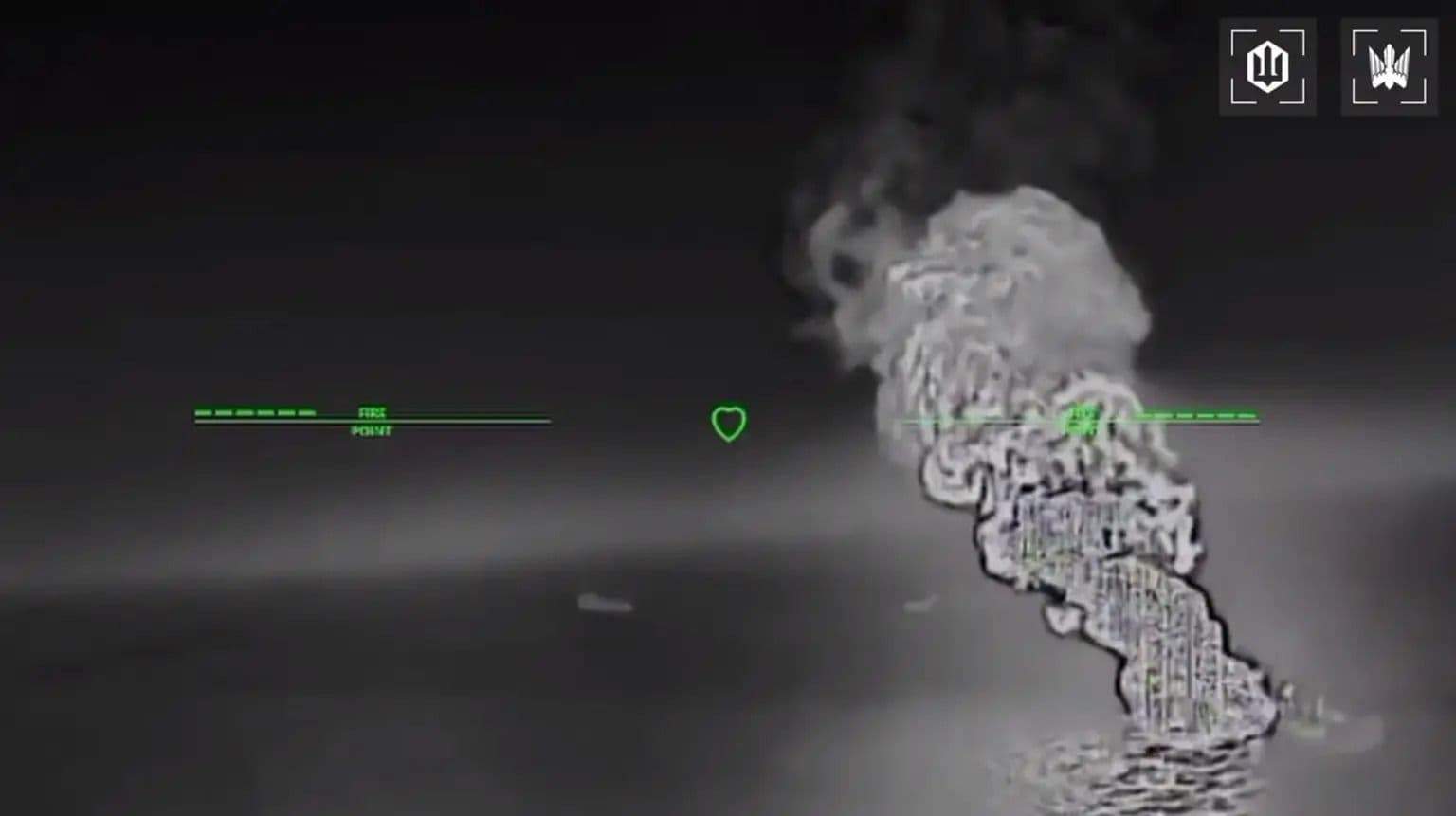
Ukrainian long-range drone strikes hit eight Russian shadow fleet tankers in the Sea of Azov, Ukraine's top drone warfare commander, Robert Brovdi, better known by his callsign "Madyar," said on July 7.
Claiming that the overnight aerial naval battle reached "industrial-scale results," Brovdi reported that the Ukrainian drones also hit a dry cargo ship and a ferry, alongside a convoy of eight fuel tankers. He claimed that the fuel tankers were "badly damaged and on fire."
"The shadow fleet is leaving the area," Brovdi said in his Telegram post. "The battle for fuel for Crimea in the Sea of Azov continues."
The Kyiv Independent could not independently verify Brovdi's claim. Moscow had not commented at the publication time.
"These strikes are part of Ukraine's campaign to strangle Russian logistics, including fuel supplies, to Crimea," John Hardie, deputy director of the Russia Program at the Foundation for Defense of Democracies, told the Kyiv Independent. "Russia still seems to lack a good answer."
The reported Ukrainian drone strikes on a convoy of Russian tankers come as Ukraine ramps up its long-range attacks across the Russian-occupied territories and inside Russia in recent weeks, inflicting a domestic fuel supply crisis on Russia.
Brovdi says that the power in occupied Crimea was disrupted during the Ukrainian attack, with power plants allegedly burning along with logistics. Following a series of Ukrainian drone strikes targeting oil facilities in Crimea and the attacks on the land corridor connecting the occupied peninsula and Russia, which disrupted supplies, the Russian-installed authorities introduced fuel rationing measures in late May.
As part of the gradual efforts to grind down Russia's war machine from afar, Ukraine has targeted the Russian shadow fleet to intensify "pressure on sanctions-busting shippers and insurers at a time when Russian oil exports are already under strain," according to the London-based defense and security think-tank Royal United Services Institute (RUSI).
Russia relies on a vast shadow fleet of aging tankers operating under opaque ownership structures and flags of convenience to export oil and petroleum products despite Western sanctions.
Ukraine has argued that Russia's shadow fleet vessels may no longer qualify as ordinary civilian shipping under international law, according to a June 26 letter sent by Deputy Prime Minister Oleksii Kuleba to the International Maritime Organization (IMO) and first reported by Lloyd's List.
Brovdi claimed that "all tankers" hit in the Ukrainian July 7 overnight strike had been identified. He said they are all subject to international sanctions, have a deadweight of 7,000 metric tons each with a length of 140 meters, and were built between 2006 and 2012.
The tankers Brovdi claims Ukraine identified include Venera-3, Sanar-1, Sanar-17, Climene, Teti, Aleksey Savrasov, and Penelope.
"Sanctions from the skies by the Freedom-Loving Ukrainian Birds of the Unmanned Systems Forces are in effect," Brovdi said.
2 defense industry enterprises hit in Russia's Bryansk Oblast, oil depot in Belgorod Oblast, General Staff says
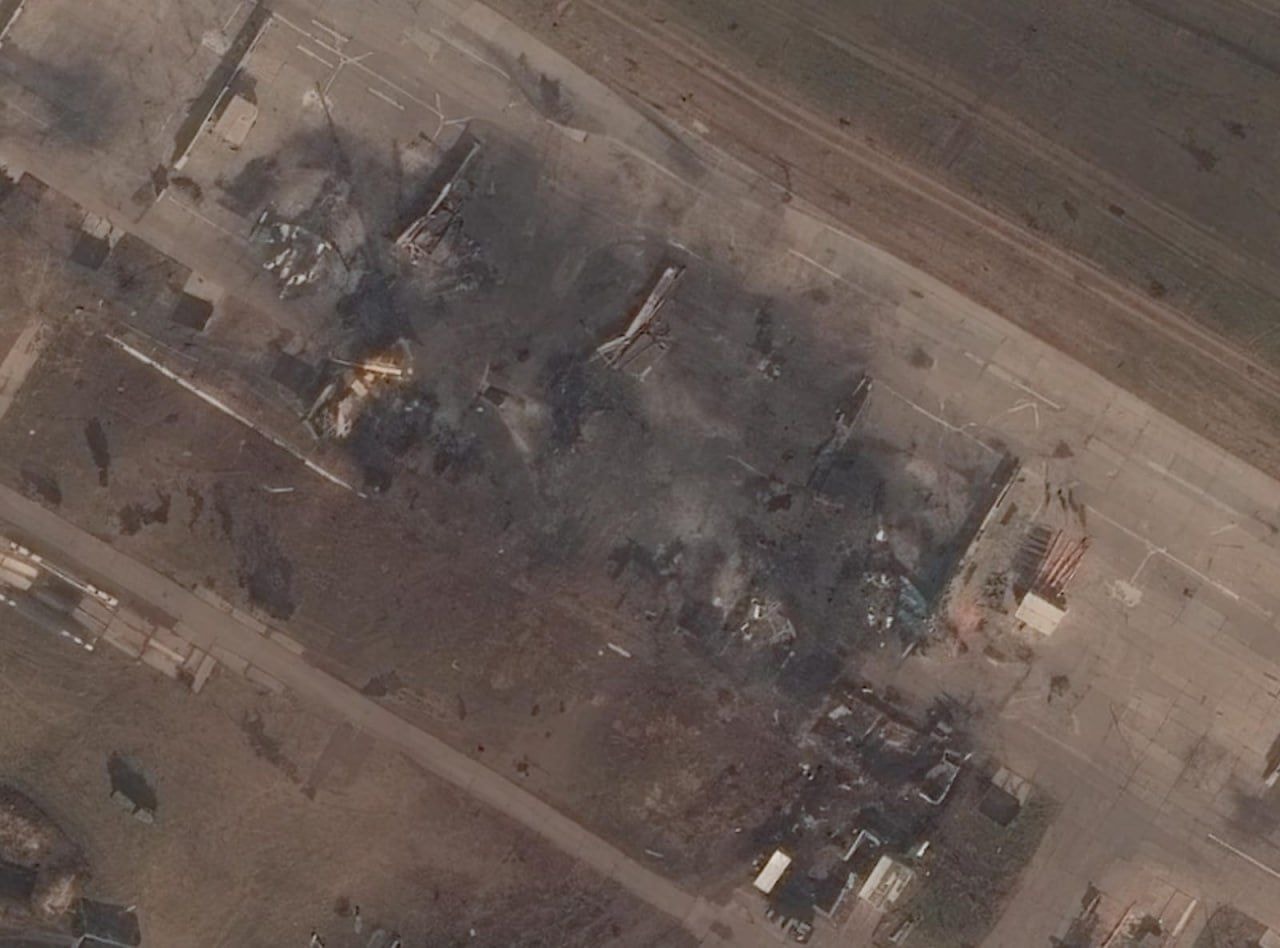
Ukrainian drones struck a major Russian microelectronics manufacturer in Bryansk, and a chemical plant in its wider region, alongside an oil depot at the Belgorod airfield in the neighboring region, the General Staff of Ukraine's Armed Forces said on July 7.
The microelectronics manufacturer Kremniy El produces microchips, power semiconductor devices, and electronic warfare systems for Russia, along with other products, while the Bryansk Chemical Plant produces gunpowder, explosives, and rocket fuel components, according to the General Staff.
The products manufactured in the Bryansk Chemical Plant are used to manufacture ammunition and missiles, which Russian troops then use to attack Ukraine, the General Staff said.
Both Bryansk and Belgorod oblasts in western Russia border northern Ukrainian regions, including Chernihiv, Sumy, and Kharkiv oblasts. The Kyiv Independent could not independently verify the General Staff's claims. Moscow had not commented at the time of publication.
The latest reported attack comes as Ukraine intensifies its long-range drone strikes on Russian-occupied territories and across Russia in recent weeks, in slow and gradual efforts to grind down Moscow's war machine from afar.
The General Staff said that among other Russian targets were two railway bridges in Crimea, where Ukraine has already launched a series of attacks on logistics between the occupied peninsula and mainland Russia, which led to a severe fuel supply crisis.
Russia uses the bridges that were targeted, on the western side of Crimea near partially occupied Kherson Oblast, for military logistics and the transport of personnel, weapons, and ammunition, the General Staff added.
Ukraine signs drone cooperation deals with 3 NATO countries
Ukraine signed major defense cooperation agreements with Estonia, Denmark, and the Netherlands under the Drone Deal framework, President Volodymyr Zelensky announced on July 7.
Zelensky penned the deals with Estonian Prime Minister Kristen Michal, Danish Prime Minister Mette Frederiksen, and Dutch Prime Minister Rob Jetten on the sidelines of the NATO summit in Ankara.
"This agreement is not only a way to accelerate cooperation between our countries. It is also a step forward and a sign of trust, as we are signing such an agreement with a very close friend, which means a lot," the Ukrainian leader commented on the deal with Estonia.
The agreements are part of Ukraine's broader push to expand drone technology cooperation with partners in Europe and beyond, as it shares its war-tested experience in unmanned systems.
Under the deals, Kyiv agreed to develop joint production with the three NATO partners, as well as broader defense cooperation.
Earlier in the summit, the president underscored Ukraine's growing role as a security provider, arguing that this would make the country a "natural" member of the alliance.
"Today we signed a landmark drone agreement," Michal said. "It strengthens Estonia's defense, creates new opportunities for our defense industry, and helps us support Ukraine even better."
Jetten commented that the deal "provides the basis for broad, structural cooperation between Ukraine and the Netherlands in the area of joint drone production and broader defense cooperation."
Zelensky also said he and Frederiksen discussed strengthening air defenses and building a European anti-ballistic system — an increasingly urgent topic as Kyiv faces critical shortages of Patriot missiles.
Ukraine has signed six drone deals in recent months, including with Middle Eastern partners seeking drone defense expertise in the face of Iranian attacks, as well as with NATO members Latvia and Lithuania.
Zelensky also discussed preparations for future Drone Deals with Canadian Prime Minister Mark Carney and Finnish President Alexander Stubb on the sidelines of the NATO summit.
Canada pledges $900 million to Ukraine for vehicles and ammo, but no air defense
Canada announced more than $900 million in new military aid for Ukraine on July 7, one of Ottawa’s larger recent support packages, President Volodymyr Zelensky said after meeting Canadian Prime Minister Mark Carney on the sidelines of the NATO summit in Ankara, Turkey.
The package includes $475 million for ammunition, nearly $400 million to build 35 Canadian-made armored vehicles, and $50 million for critical technology and engineering equipment, according to the Canadian Prime Minister’s Office.
The Canadian readout did not specifically mention air defense systems or interceptors as part of the package. Zelensky, however, said Ukraine's top priority remains strengthening its air defenses as Russia continues large-scale missile and drone attacks against Ukrainian cities.
"Our first concern is more air defense. Protecting lives is the main thing, and Russia's ballistic missile attacks, along with its other missile and drone strikes, are terror that must be confronted together with our partners," Zelensky wrote on X.
The package is one of Canada's larger recent military aid announcements for Ukraine, though smaller than the 2 billion Canadian dollar ($1.4 billion) package announced in February and the 2 billion Canadian dollar ($1.5 billion) pledge made at the G7 summit in June 2025. It is larger than several earlier stand-alone packages, including a 500 million Canadian dollar ($367 million) pledge announced in July 2024.
Canada donated an air defense system to Ukraine in November 2024 — a NASAMS system valued at approximately $406 million that was bought from the U.S.
Zelensky also said Ukraine and Canada are preparing a drone deal aimed at building what he called "a new and effective security system" based on capabilities proven during Russia's war. Canada and Ukraine signed a joint defense production agreement in May,
Carney's office said the two leaders discussed strengthening defense industrial partnerships, including drone co-development.
Ukraine also joined Canada, Albania, Belgium, Greece, Latvia, Luxembourg, Romania, and Turkey in announcing their intention to establish the Defence, Security and Resilience Bank, a Canada-led initiative designed to expand access to capital and support defense production.