Ukraine decries release of Russian archaeologist in US-brokered prisoner swap
 on Google
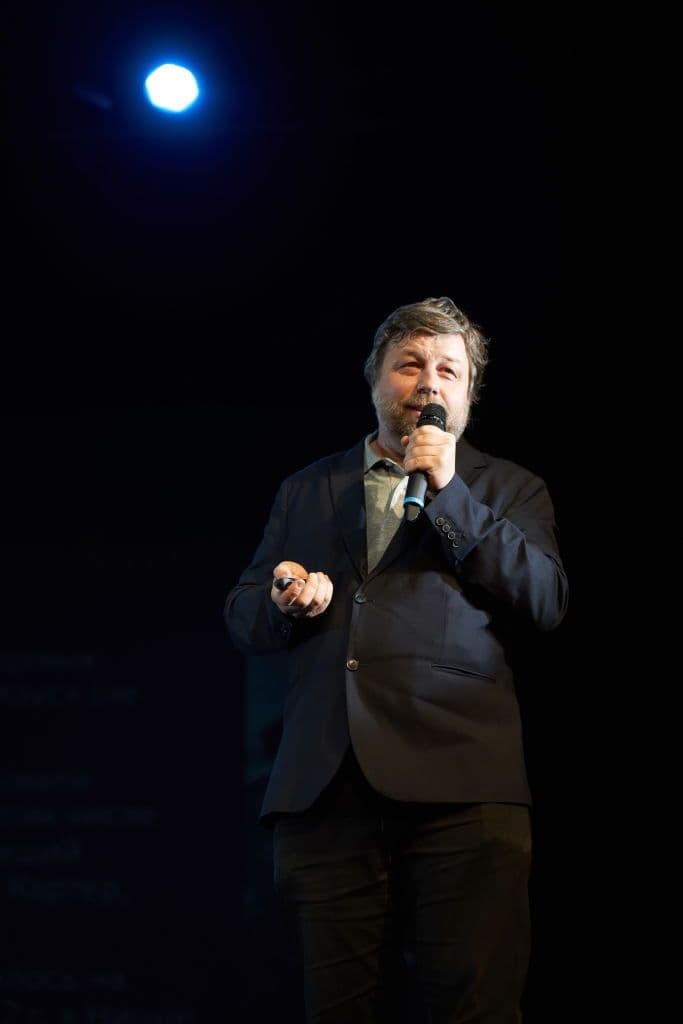
Ukraine spoke out against the inclusion of Russian archaeologist Alexander Butyagin in a prisoner exchange on April 28, vowing it would continue to pursue "all national and international mechanisms" to bring him to justice.
Butyagin was among those included in a U.S.-initiated five-for-five prisoner exchange at the Polish-Belarusian border, according to Russian authorities. He was awaiting extradition to Ukraine, a process that a Polish court had approved in mid-March.
Butyagin was arrested in mid-December at Ukraine's request while traveling through Poland en route to a conference in the Netherlands.
Following Russia's illegal annexation of Crimea in 2014, Butyagin continued to conduct archaeological digs on the peninsula, claiming that his scientific work was "above politics." However, Ukrainian authorities say his excavations caused damages exceeding 200 million hryvnias ($4.5 million).
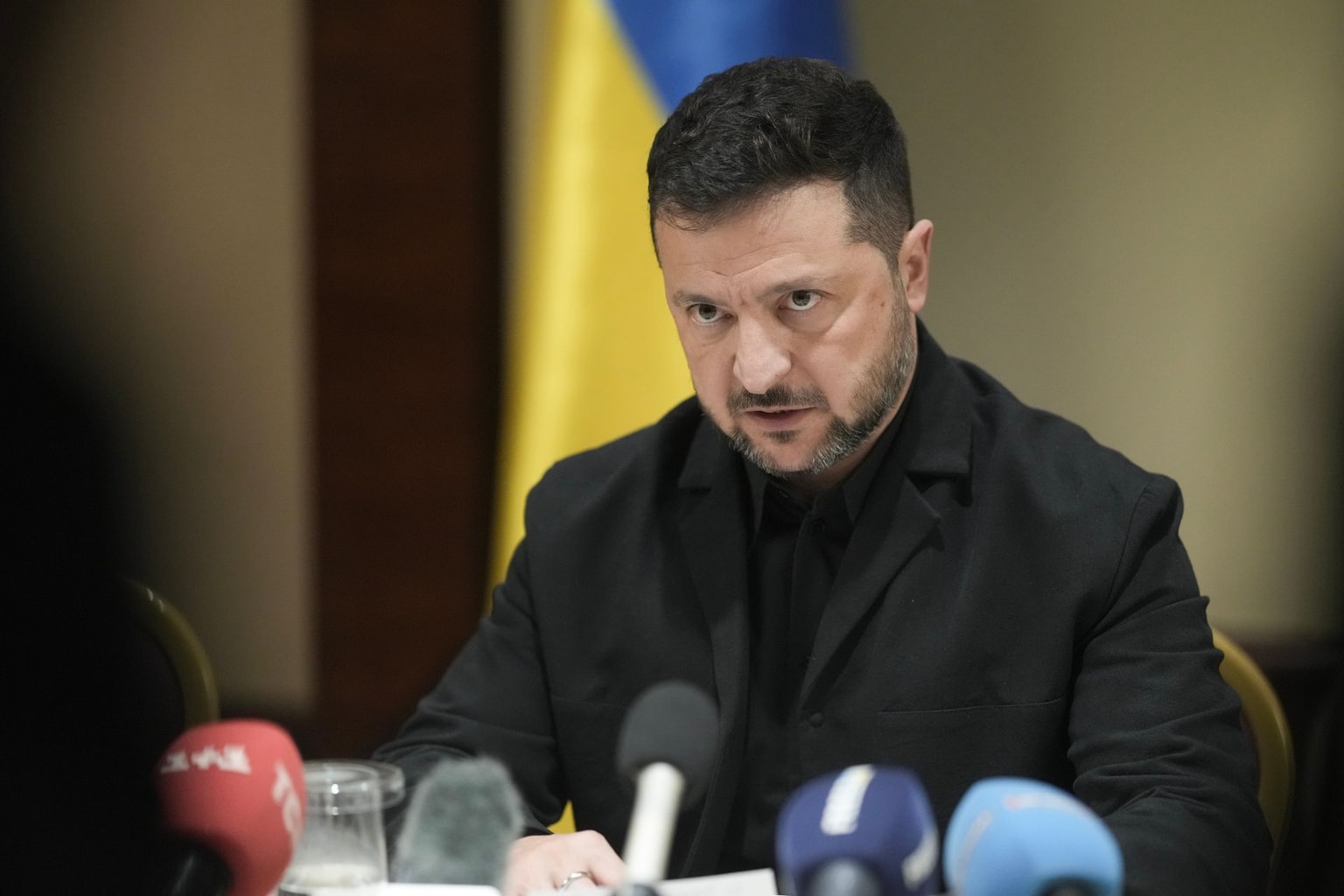
"It is evident that the Russian side will cynically use this political and legal episode to justify the occupation of Crimea and the exploitation of Ukraine’s temporarily occupied territory by Russian citizens," Foreign Ministry Spokesperson Heorhii Tykhyi told media.
"Ukraine consistently insists on holding to genuine legal accountability all Russian actors who contribute to the occupation and the war. In this case involving Butyagin, as well as in other similar situations, Ukraine will continue to employ the appropriate legal mechanisms and will also work within the jurisdictions of partner countries."
The systematic looting and destruction of Ukraine’s cultural heritage is just one dimension of Russian war crimes committed against Ukraine. As of late April, Ukrainian authorities have documented the theft of more than 2,300 cultural artifacts.
In a move of support for Ukraine's fight to protect its cultural heritage, the European Union included in its 20th sanctions package on April 23 four Russian cultural figures for their roles in illegal archaeological excavations in occupied Crimea.