On the 40 year anniversary, here are 5 books to better understand Chornobyl nuclear disaster
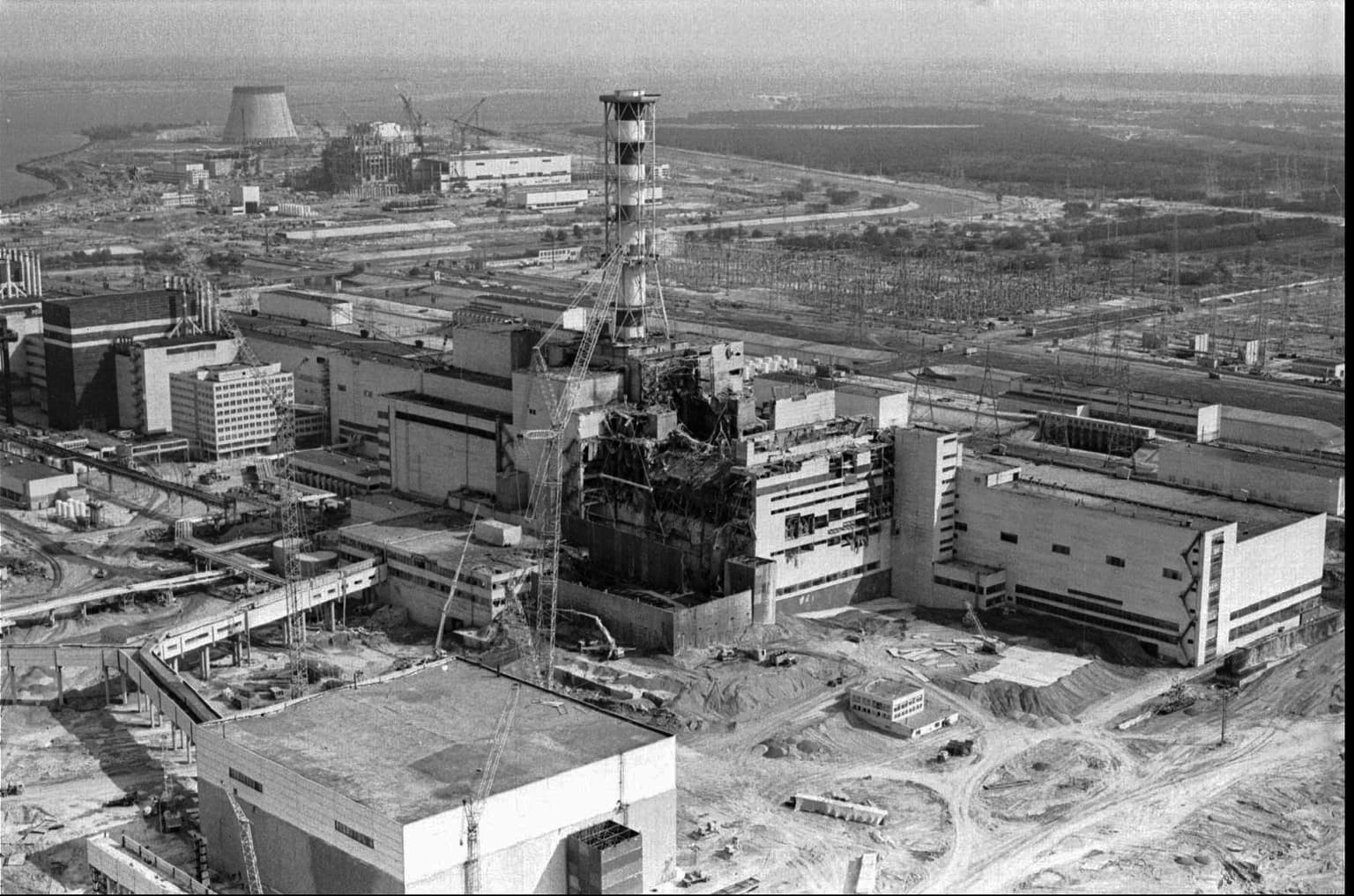
An aerial view shows the damaged reactor No. 4 of the Chornobyl nuclear power plant following an explosion and fire on April 26, 1986, in Chornobyl, Kyiv Oblast, Ukraine. (Volodymyr Repik/AP Photo, File)
 on Google
On April 26, 1986, the explosion at Reactor No. 4 of the Chornobyl Nuclear Power Plant forever changed the lives of millions in Ukraine, Belarus, and Russia.
Although Communist authorities initially tried to suppress news of the disaster even within the Soviet Union, radioactive fallout was soon thereafter detected by neighboring European countries, and the entire world took notice. The catastrophe became a critical turning point, exposing the flaws in the Soviet system and hastening the Soviet Union’s ultimate demise.
The environmental, social, and psychological scars of Chornobyl are still being felt by millions of people today. At the start of Russia’s full-scale war against Ukraine, the site of the nuclear facility was temporarily occupied, and debris from mass attacks has struck the territory.
To mark the somber forty year anniversary since the Chornobyl nuclear disaster, the Kyiv Independent presents five books that illuminate the lived experiences of those affected, the enduring aftermath, and how Russia’s full-scale war has reignited global concern over nuclear disaster.
While the correct Ukrainian transliteration is “Chornobyl,” the titles using the original Russian spelling “Chernobyl” have been maintained so readers may easily search out these books.
Voices from Chernobyl: The Oral History of a Nuclear Disaster
by Svetlana Alexievich
Also known in English as “Chernobyl Prayer,” Belarusian journalist Svetlana Alexievich’s book is arguably the definitive account of the nuclear disaster. Alexievich spent a decade interviewing more than 500 people who experienced the catastrophe firsthand, including the firefighters who rushed to the site after the explosion and later suffered devastating health consequences, the liquidators sent to clean up the radioactive debris, doctors who grappled with a sweeping health crisis, and everyday people forced to adapt to a terrifying new reality.
What makes the book so powerful and groundbreaking is Alexievich’s role as a collector of people’s thoughts at their most honest, open, and vulnerable. Rather than use their testimonies to present a narrative in her own words, she lets those who lived through Chornobyl speak for themselves — a radical act in a part of the world where open testimony was long forbidden.
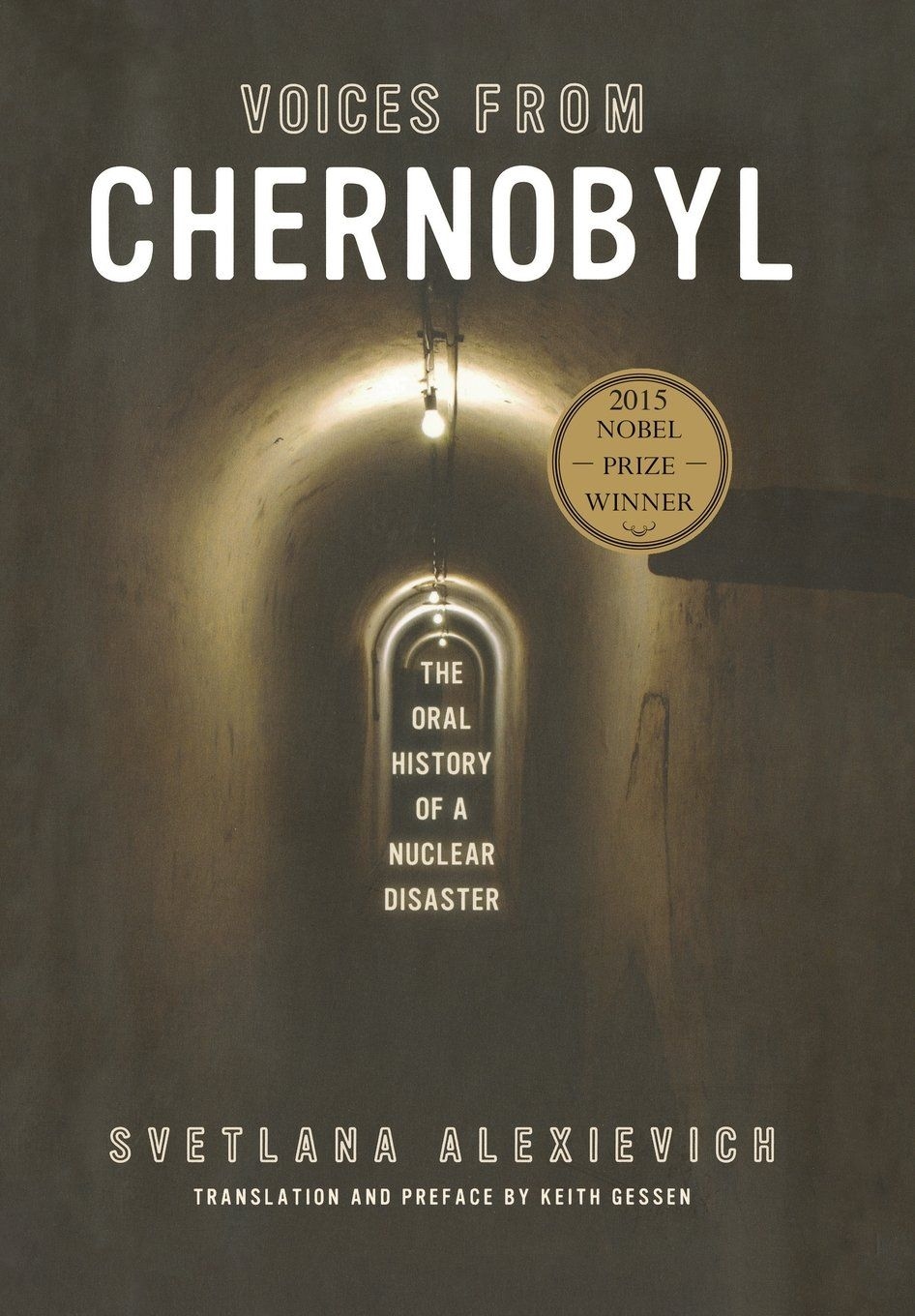
A cover of "Voices from Chernobyl: The Oral History of a Nuclear Disaster" by Svetlana Alexievich. (Dalkey Archive Press)
Chernobyl Roulette: A War Story
by Serhii Plokhy
Although renowned Ukrainian historian Serhii Plokhy’s book is set decades after Chornobyl, it’s essential reading for understanding how the fallout from the Soviet Union’s administrative failures — the nuclear disaster being the most infamous of all — continues to affect millions today. Drawing on testimonies from nuclear plant workers who lived through the Russian occupation in 2022 — the book recounts what are in hindsight deeply unsettling moments, such as when workers had to convince occupying Russian soldiers not to disturb the 1986 disaster site amid their compulsion to search for hidden nuclear weapons.
Even though the nuclear plant was quickly liberated, the threat to Chornobyl remains, as debris from Russian attacks has struck the site multiple times. As Plokhy warns, nuclear blackmail is not a relic of the Cold War — unfortunately, it is still very much a part of our reality.
Plokhy is also the author of “Chernobyl: History of a Tragedy” which covers the events of the nuclear disaster itself.
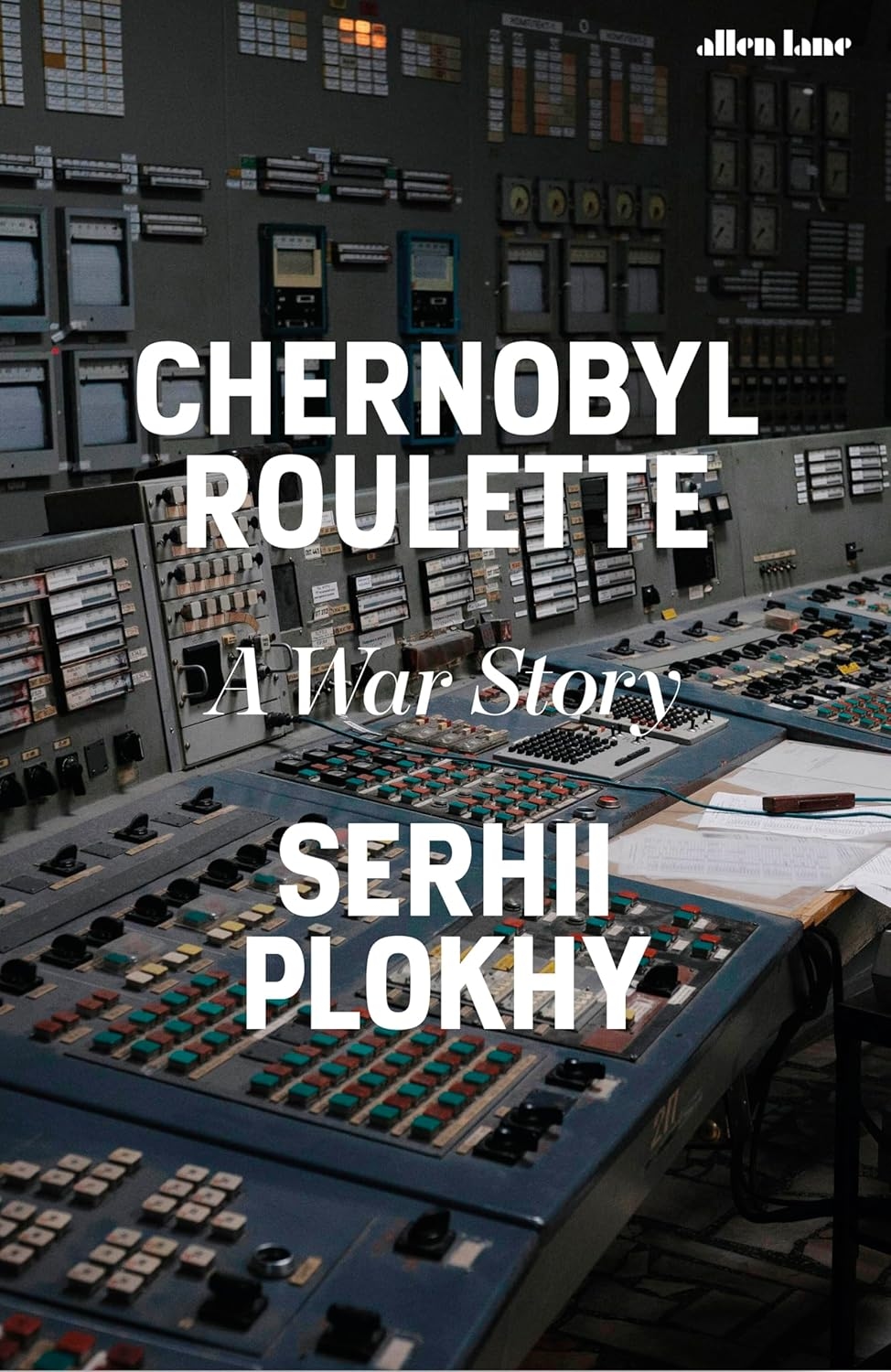
A cover of "Chernobyl Roulette: A War Story" by Serhii Plokhy. (Penguin)
Stalking the Atomic City: Life Among the Decadent and the Depraved of Chornobyl
by Markiyan Kamysh
Once-thriving cities built for the workers of the Chornobyl nuclear power plant have stood abandoned since the 1986 nuclear disaster, forming what’s now known as the Exclusion Zone. Unsupervised entry is officially off-limits, with military outposts guarding its borders, but that hasn’t stopped thrill-seekers and adventure-lovers from sneaking in.
Ukrainian author Markiyan Kamysh, the son of a Chornobyl liquidator, is one such person — a so-called “stalker” who slips past checkpoints to roam the Exclusion Zone in search of its morbid promises.
His book is a meditation on humanity’s search for meaning amid ruins, the magnetic pull of disaster sites, and how we continue to seek some sense of purpose in life even in the shadow of catastrophe.

A cover of "Stalking the Atomic City: Life Among the Decadent and the Depraved of Chornobyl" by Markiyan Kamysh. (Astra House)
Manual for Survival: A Chernobyl Guide to the Future
by Kate Brown
Historian Kate Brown’s book doesn’t focus on the disaster itself, but rather on what she describes as a widespread cover-up of the true human and environmental toll it inflicted upon people.
Brown argues that the damage was downplayed not just by the Soviet government, but also by international humanitarian organizations, all in an effort to avoid panic and protect their own interests at the expense of what they believed was the public good.
Although her book has generated controversy in the scientific community over her arguments on the extent of nuclear contamination, Brown’s central point — that examining the response to Chornobyl is an important warning about how governments can and likely will mishandle future technological disasters — is a perspective that shouldn’t be overlooked.
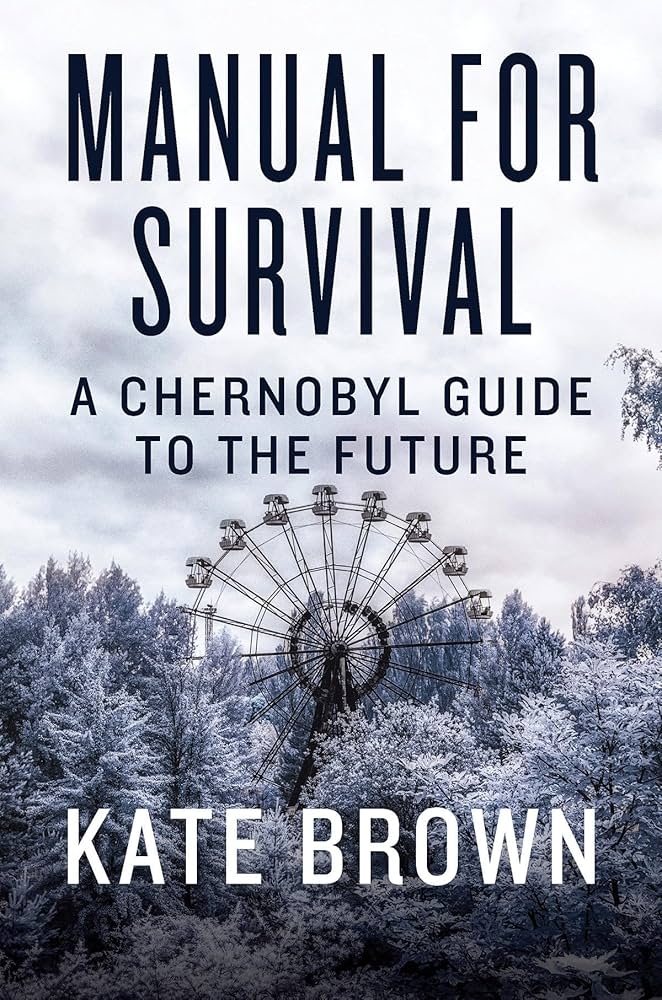
A cover of "Manual for Survival: A Chernobyl Guide to the Future" by Kate Brown. (W. W. Norton & Company)
Producing Power: The Pre-Chernobyl History of the Soviet Nuclear Industry
by Sonja D. Schmid
What makes the RBMK reactor unique, and why did the Soviets pick it? In her book, Sonja D. Schmid explains the complex science behind the Soviet Union’s nuclear program in a clear and engaging way, making it easy for anyone to understand.
Schmid examines why certain technologies were chosen, the social networks among nuclear workers, and the political pressures that shaped the Soviet approach to nuclear energy as it competed with the West.
Her analysis shows how these connected factors led to both achievements and failures in the Soviet nuclear program, the latter culminating in the 1986 nuclear disaster.
Most importantly, she argues that these problems were not uniquely Soviet — in reality, any country can fall victim to the same hubris and suffer the same devastating results.

A cover of "Producing Power: The Pre-Chernobyl History of the Soviet Nuclear Industry" by Sonja D. Schmid. (MIT Press)
read also