Syrskyi denies rift with Fedorov as Zelensky considers his dismissal
 on Google
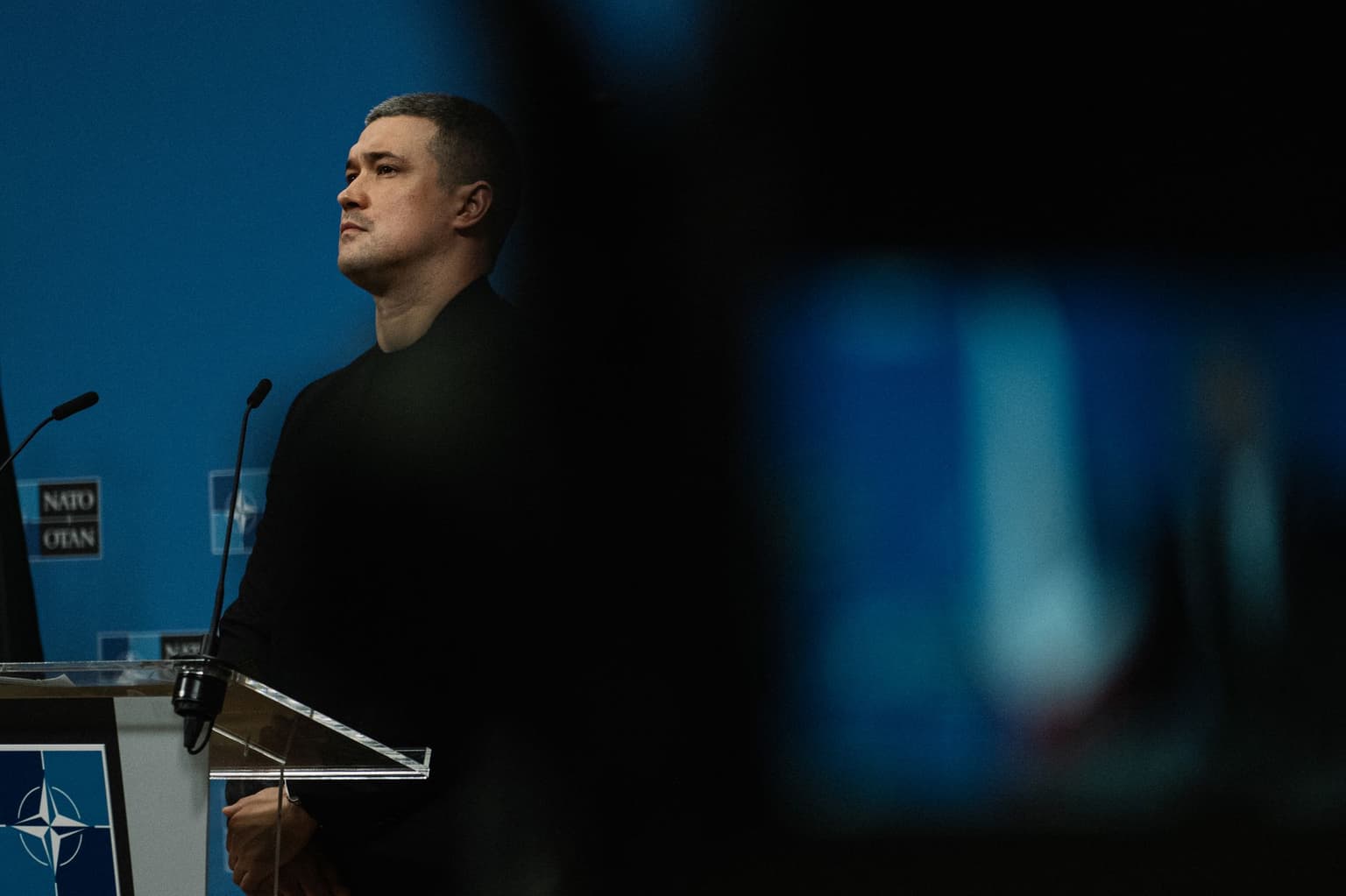
Ukraine's Commander-in-Chief Oleksandr Syrskyi on July 20 publicly denied reports of a conflict with former Defense Minister Mykhailo Fedorov, saying discussions between the two were part of normal institutional work during wartime.
His remarks come days after President Volodymyr Zelensky dismissed Mykhailo Fedorov as defense minister, a move that triggered public backlash and protests in Kyiv, and was said to stem from irreconcilable differences between him and Syrskyi.
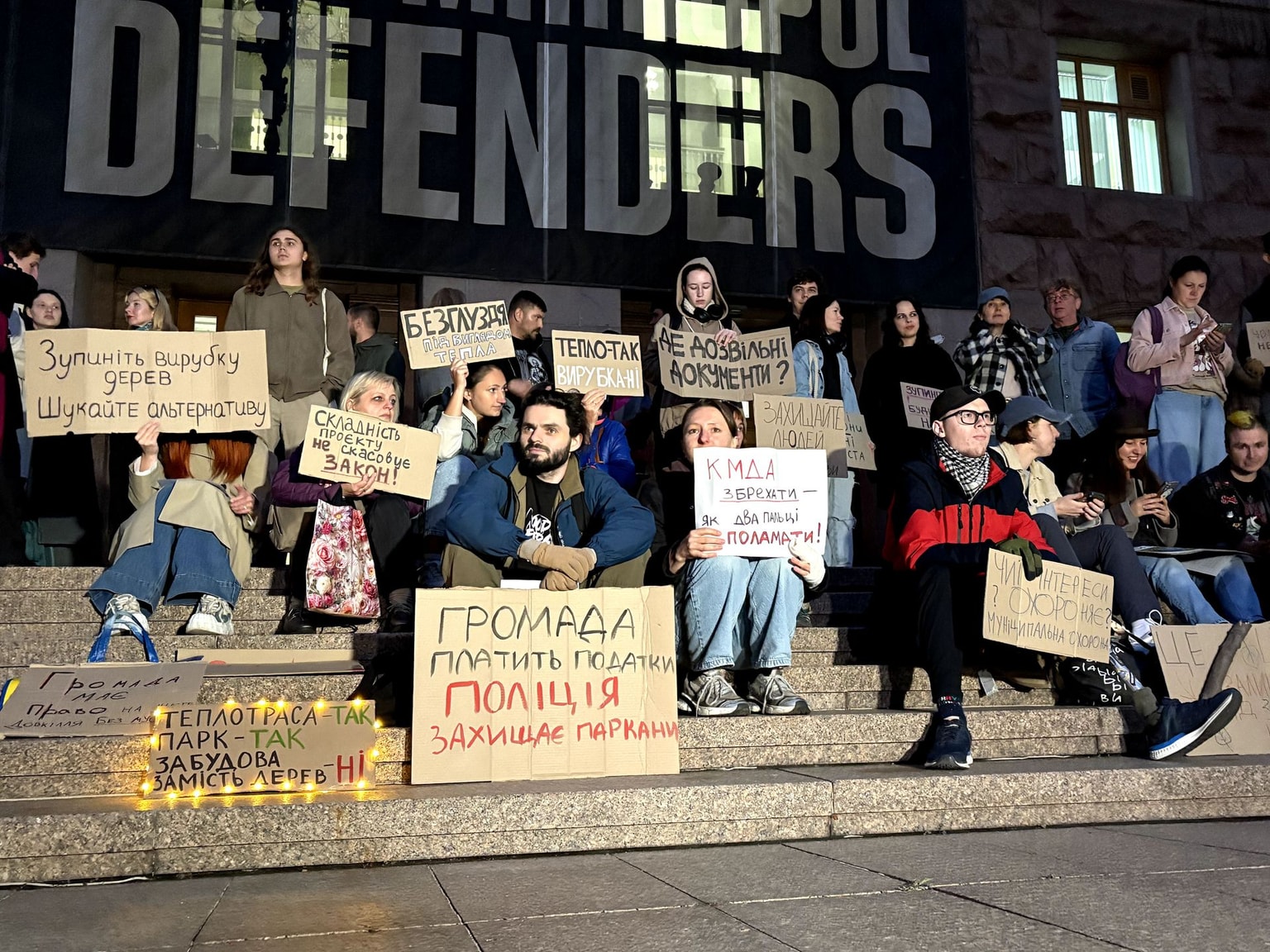
Ukrainians have held daily protests since July 16, opposing the removal of Fedorov, one of the country's youngest and most popular senior officials, and calling for Syrskyi's resignation.
Zelensky is currently weighing a decision on Syrskyi's possible dismissal, which is expected soon, possibly within days, a person familiar with the matter told the Kyiv Independent.
"It is hard work, not the public drama surrounding it, that wins the war," Syrskyi wrote.
Addressing reports of a dispute with Fedorov, Syrskyi said he had viewed their relationship as a professional one despite disagreements.
"Ukraine is greater than Fedorov, Syrskyi, or any one of us," Syrskyi said. "Reducing this war to a confrontation between two individuals is the greatest favor we could do for the enemy."
The statement, published as a column in Militarnyi, marks Syrskyi's first comments directly addressing the issue. Since becoming commander-in-chief in February 2024, Syrskyi has rarely given interviews or publicly addressed political controversies.
Syrskyi also commented on defense procurement, drone policy, mobilization reforms, and the military's command structure.
He rejected accusations that he opposed the military's increasing reliance on drones, noting that he initiated the creation of Ukraine's Unmanned Systems Forces and personally recommended its current commander, Robert "Madyar" Brovdi.
"A person who 'doesn't want to fight with drones' doesn't create the world's first separate branch of unmanned systems," he said.
Syrskyi also criticized Fedorov's recent military contract reforms, saying around 2,000 service members had signed the new contracts despite their introduction more than a month ago. He also warned that many soldiers had become demotivated after expecting different conditions.
He further said soldiers' salaries "are not a reserve for redistribution" after Fedorov previously said part of military payroll budget had been redirected toward drone procurement.
During his tenure as defense minister, Fedorov oversaw a series of high-profile initiatives, including reforms and programs to strengthen Ukraine's military capabilities.
The demonstrations have drawn thousands of participants in Kyiv, with smaller rallies taking place in other cities across Ukraine.
Tensions between the two had been anticipated since Fedorov's appointment and reflected different approaches to military leadership and organizational culture.
Syrskyi has favored a highly centralized command structure rooted in Soviet military doctrine. He has faced criticism from soldiers and analysts for micromanagement and for fostering what critics describe as a Soviet-style command culture.
Zelensky's latest decisions have drawn criticism from lawmakers, veterans, and members of the public, many of whom have argued that removing Fedorov risks undermining reforms at the Defense Ministry while leaving concerns about military leadership unresolved.