Editorial: By sacking Fedorov, Zelensky risks turning tide of war back in Russia's favor
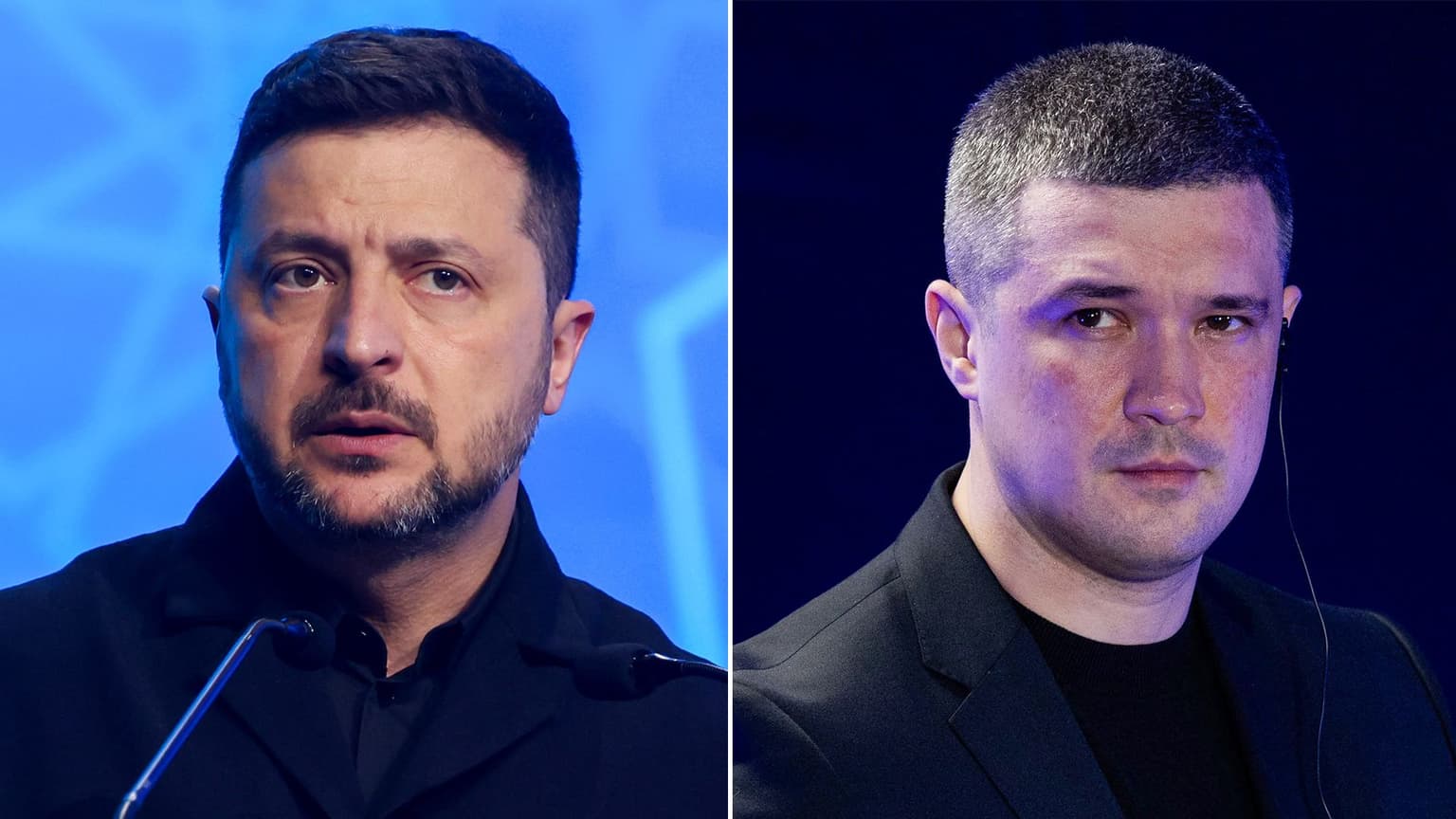
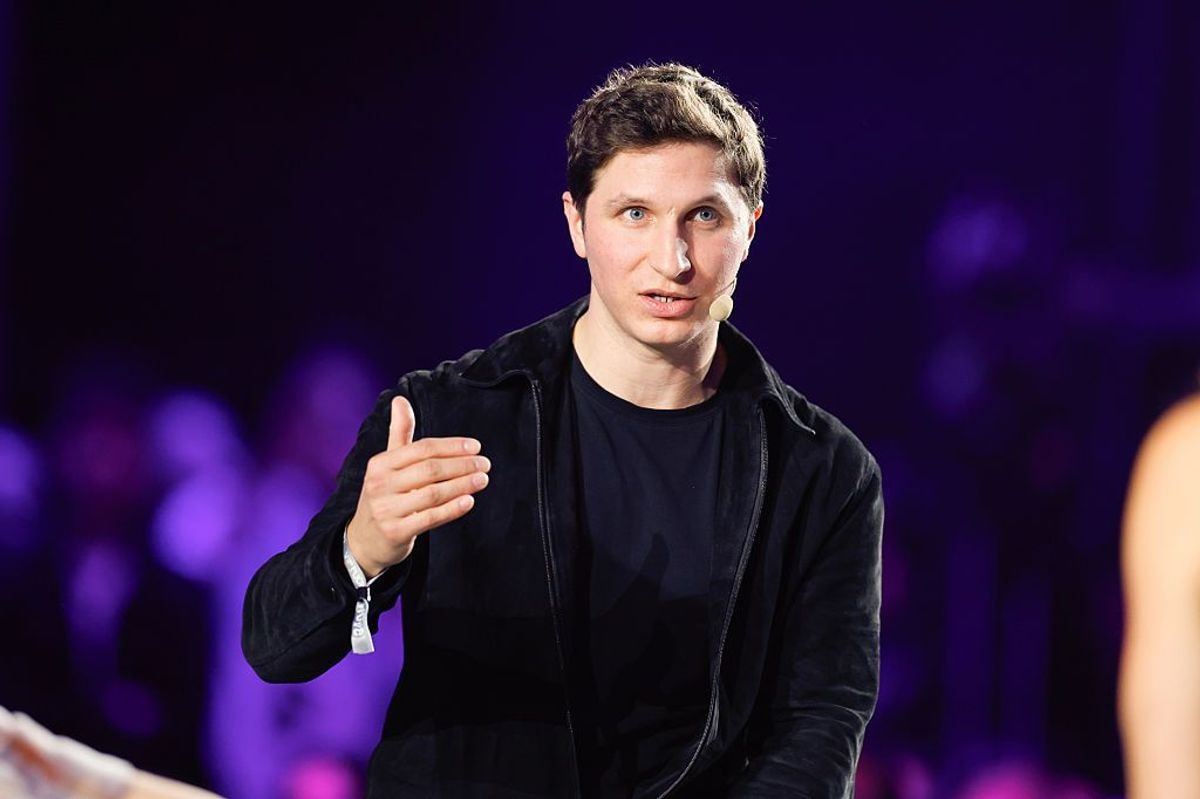
L: President Volodymyr Zelensky in Ankara, Turkey, on July 7, 2026. (Beata Zawrzel / NurPhoto / Getty Images) R: Then-Defense Minister Mykhailo Fedorov in Kyiv, Ukraine, on May 11, 2026. (Tetiana Dzhafarova / AFP / Getty Images);(Collage: The Kyiv Independent)
 on Google
The Kyiv Independent
For the first time since autumn 2022, Ukraine has turned the tide of Russia's war in its favor, from the front line to strategic depth.
In what could prove to be his most harmful decision of the war in recent years, President Volodymyr Zelensky has just chosen to dismiss the man who has been the driving force of this change in fortunes.
Zelensky's decision to oust popular Defense Minister Mykhailo Fedorov after just six months on the job has sparked outrage across Ukraine, from the military, civil society, and countless ordinary Ukrainians who saw the young minister's reforms as the path toward peace on Ukraine’s terms.
After months of conflict between Fedorov and Commander-in-Chief of the Armed Forces Oleksandr Syrskyi — who pushes a diametrically opposed strategic worldview and leadership culture — Zelensky has sided with Syrskyi.
The decision bears all the hallmarks of Zelensky's tendency to dismiss top officials and commanders who get too popular, ahead of hypothetical elections that will never happen if Russia overwhelms Ukraine.
Officials facing accusations of corruption, incompetence, or mismanagement have often enjoyed far greater patience — and even protection — from Zelensky, provided they pose no threat to his approval rating.
But of all Zelensky’s questionable personnel decisions, Fedorov’s dismissal could have the most devastating consequences for Ukraine’s war effort.
The 35-year old tech trailblazer has something the political and military leadership has lacked: a clear plan to win the war. A strategy.
Facing an overwhelmingly larger Russian army, Ukraine always needed an asymmetric strategy based on advanced technology and creative thinking to have a chance of defeating Russia. A small Soviet army can never beat a large Soviet army, as years of slow but steady Russian advances on the battlefield have shown.
Fedorov understands that.
Maximizing technological advantage, data-driven optimization of everything from procurement to personnel management, improving the distribution of drones to front-line units: Everything was done with the deliberate aim of breaking Russia's war aims, forcing peace on Kyiv's terms, and preserving Ukrainian lives in the process.
By reforming the notoriously corrupt procurement system and introducing competitive tenders for most purchases, Fedorov likely saved Ukraine billions in public funds while angering those who could no longer skim excessive profits from state contracts.
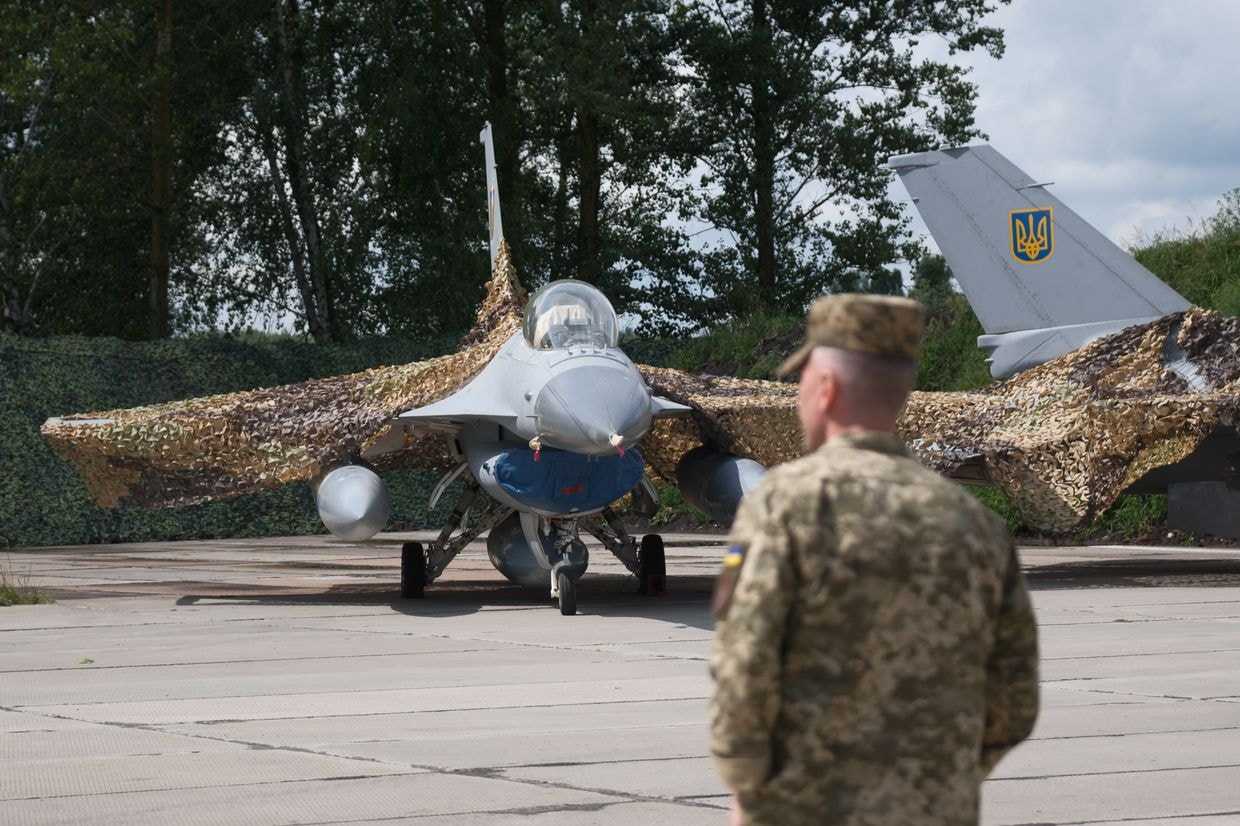
With the honing and scaling up of Ukraine's middle and deep strike campaign from occupied territory to deep inside Russia, Fedorov has also helped bring strategic offensive pressure on Moscow the likes of which hasn't been seen before.
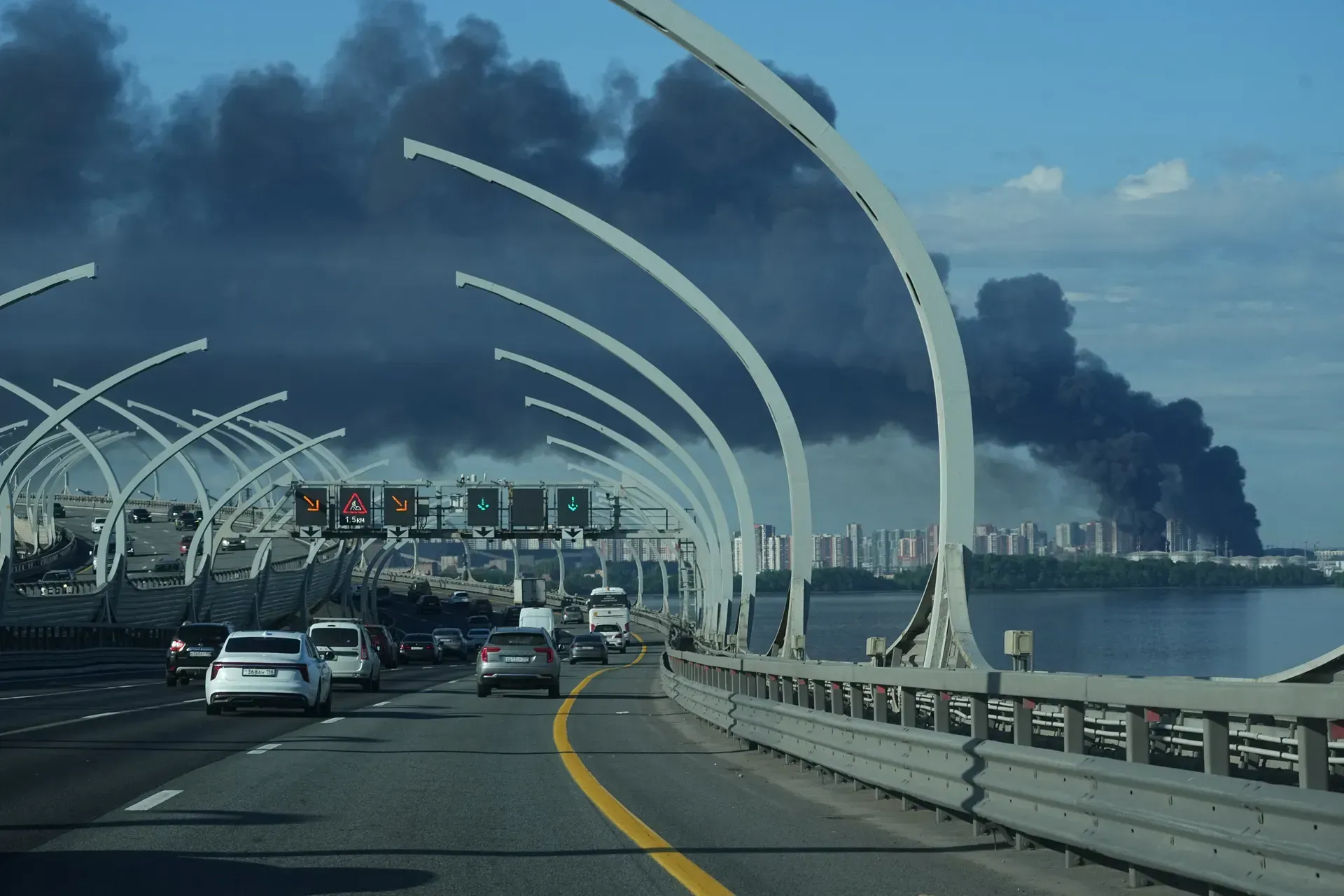
From persuading Elon Musk to cut off Russia’s access to the Starlink technology powering its long-range drones to giving partner nations access to a database of Russian weapons so they could study them and develop defenses, Fedorov has repeatedly demonstrated his ability to devise creative solutions with tangible military impact.
Even the most toxic topic inside wartime Ukraine, mobilization — which Zelensky has done his best not to get near — was not something the minister shied away from.
With his audit of battlefield losses and introduction of a new contract system, Fedorov has sought to address the root cause of the manpower crisis: conditions inside combat units, especially for those in infantry and assault roles.
This brought him into conflict with Syrskyi, who represented everything Fedorov was trying to change in the military.
Preferring to fight a war of narrative and micromanage the battlefield in search of quick tactical gain, Syrskyi’s Soviet-style command culture has steadily undermined Ukraine's war effort.

Nowhere is this felt more acutely than in the military's manpower crisis. Systemic problems in basic training, the distribution of mobilized men between combat units, and their use on the battlefield have caused countless avoidable losses, led to soaring rates of AWOL and desertion, with many brigades fighting with practically no combat infantrymen left.
These are the issues that Fedorov inherited. Blaming him for "failing" to reform mobilization in six months – as Zelensky reportedly did during a closed-door meeting with lawmakers – when Fedorov was the first top official to even attempt to touch the problem is cynical, manipulative, and simply absurd.
Amid all the positive news about the war this year, it's easy to forget where we were when Fedorov was appointed.
Russian forces were advancing at a steady pace, overwhelming the key cities of Pokrovsk, Huliaipole, and Siversk in the winter. Ukraine was struggling to plug the gaps, bracing itself for a punishing new offensive campaign in the spring.
Russian missiles were hammering Ukrainian energy infrastructure, while Starlink-equipped drones were striking key logistics routes deeper and deeper in the rear.
While brigades were crying out for replenishments, mobilized recruits were being funneled in droves into a handful of notorious assault regiments — often labeled Syrskyi's personal pet units — plagued with systemic abuse, violence, and wasteful use on the battlefield.

For those here in Ukraine in close contact with the military, it didn't seem like the top brass was serious about surviving Russia's war of attrition, let alone winning it.
Fedorov arrived and started to optimize things in his control, act as a counterweight to Syrskyi, and eventually push for more important reforms.
His work brought results, and within half a year, the strategic power balance has turned on its head.
Now, forced to choose between the man who was turning the war of attrition around with technology and intelligent strategy on one hand, and the man who was sabotaging it with micromanagement and Soviet thinking on the other, Zelensky thought about it and chose the latter.
In doing so, the president has likely put Ukraine back on the path of slow strategic degradation right at the moment when there is a chance to pressure Russia to end the war.
In perhaps the most damning feedback on the decision, Russian mil-bloggers on Telegram rejoiced at the news, with one million-strong account saying "for Russia, of course, all this (Fedorov's dismissal) only plays straight into our hands."
Ukrainians are already out on the street protesting, just like last year, when Zelensky tried to cripple the independence of Ukraine's anti-corruption bodies right as they were closing in on the president's inner circle.
It's not clear how forcefully Ukraine's partner nations will seek to weigh in on Kyiv's internal politics but they should.
An end to Russia's war, a strong Ukraine afterwards, and the smooth sharing of Ukraine's experience in the war of the future with partners are all things that Fedorov is bringing us closer to.
If this town is really too small for both Fedorov and Syrskyi, it is time for the general to go. Ukraine doesn't lack brilliant, forward thinking generals, and apt candidates have been on the table for years.
Ukraine wants a secure peace, but that can only be achieved by continuing to push the needle, protect the lives of its own soldiers, and tighten the screws on Moscow.
Ousting the person making this happen in real time is a grave mistake.
Zelensky still has a chance to undo this damaging decision — or watch the country pay a tragically high price for his mistake.