Ukraine’s most effective defense minister? What Fedorov got right, and what his dismissal risks reversing
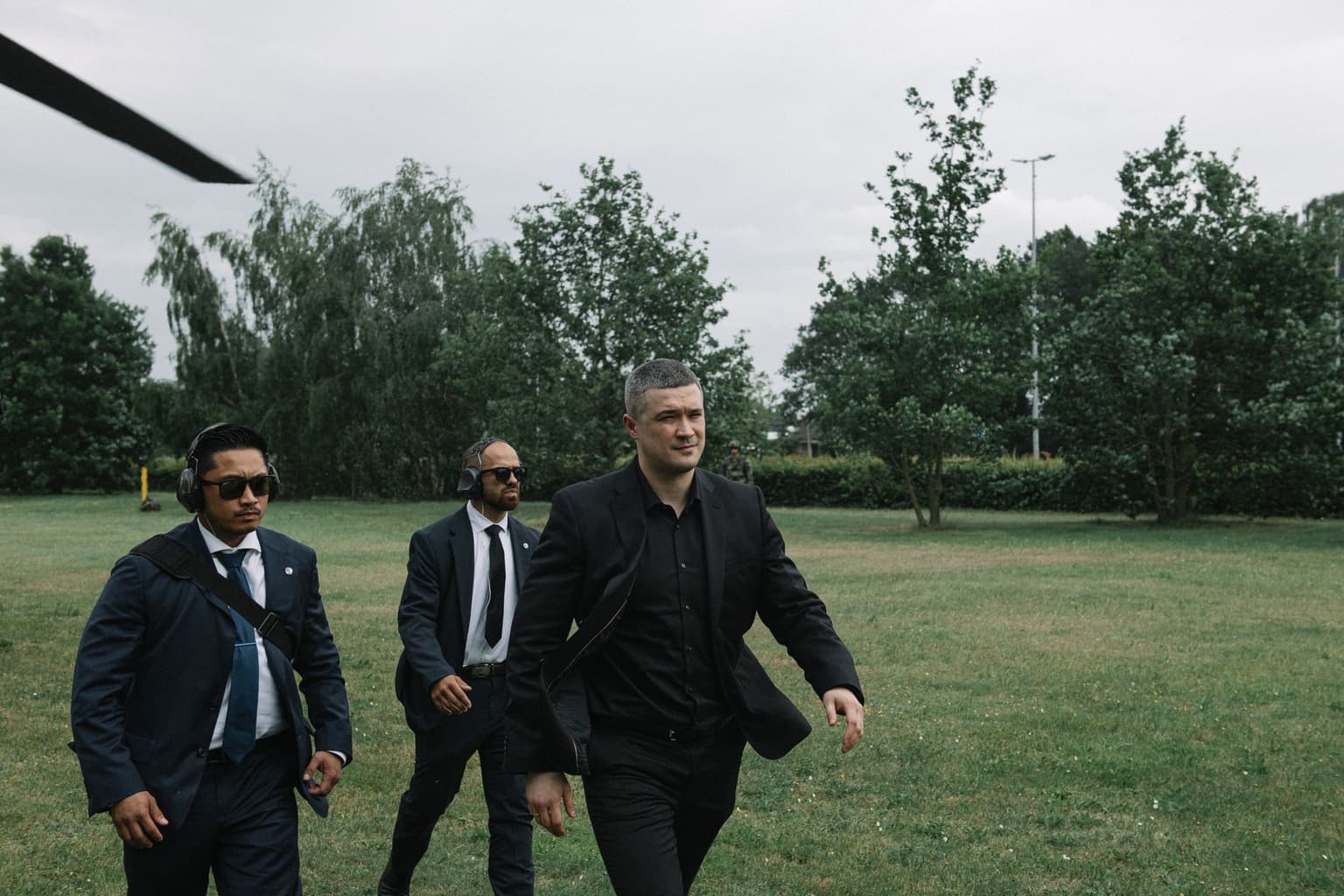
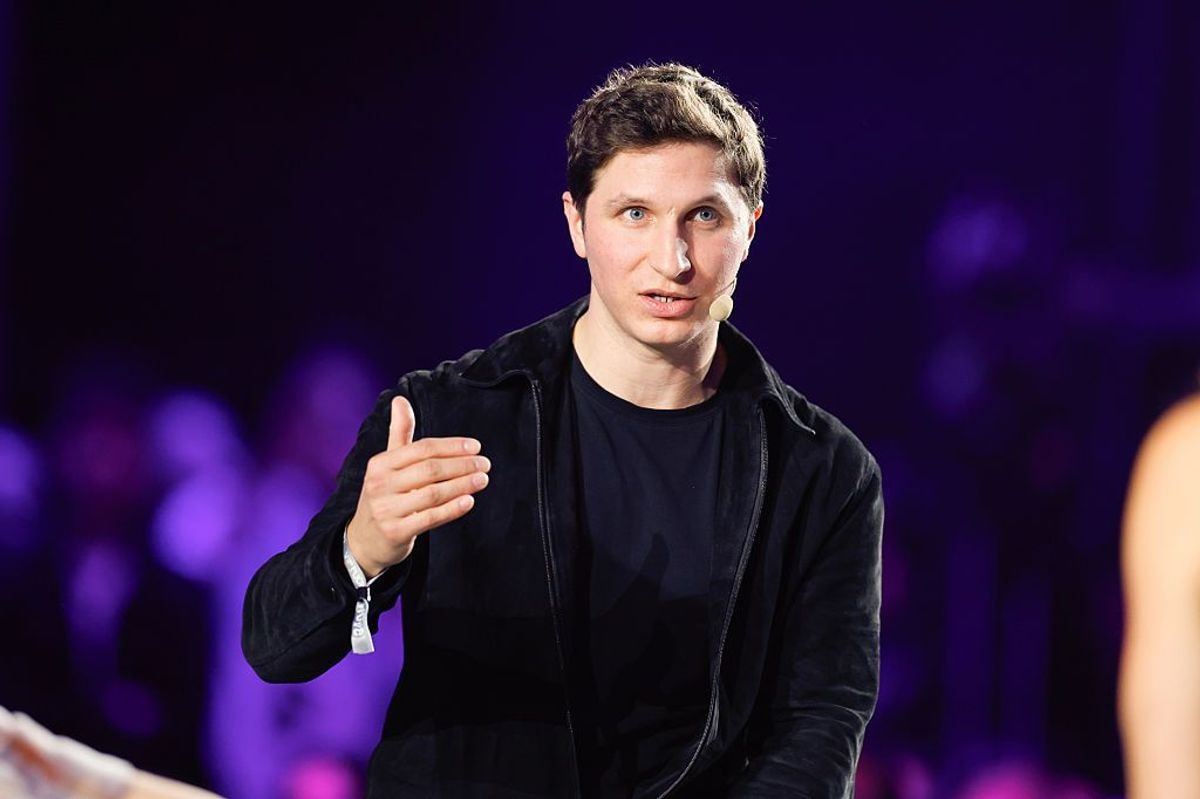
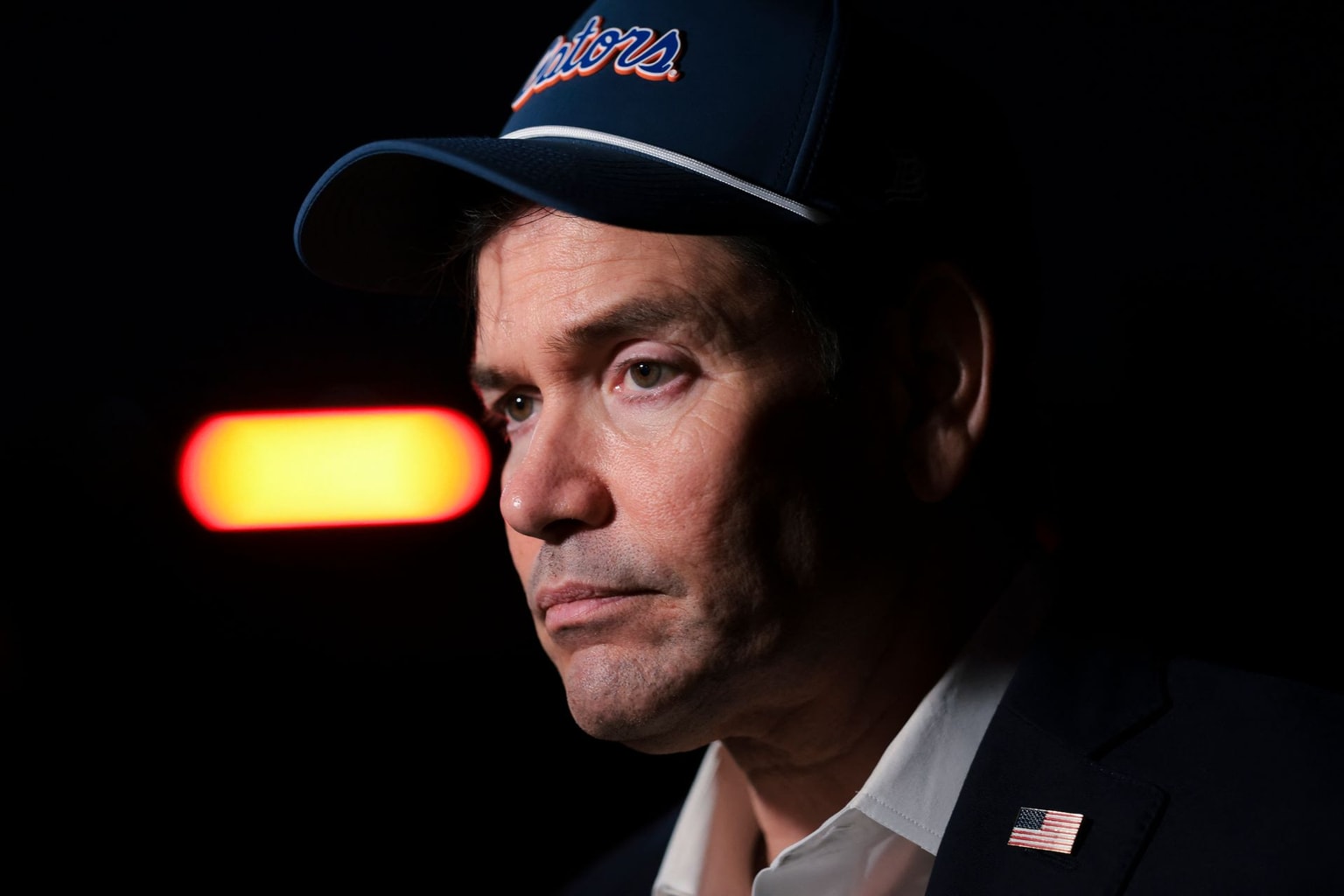
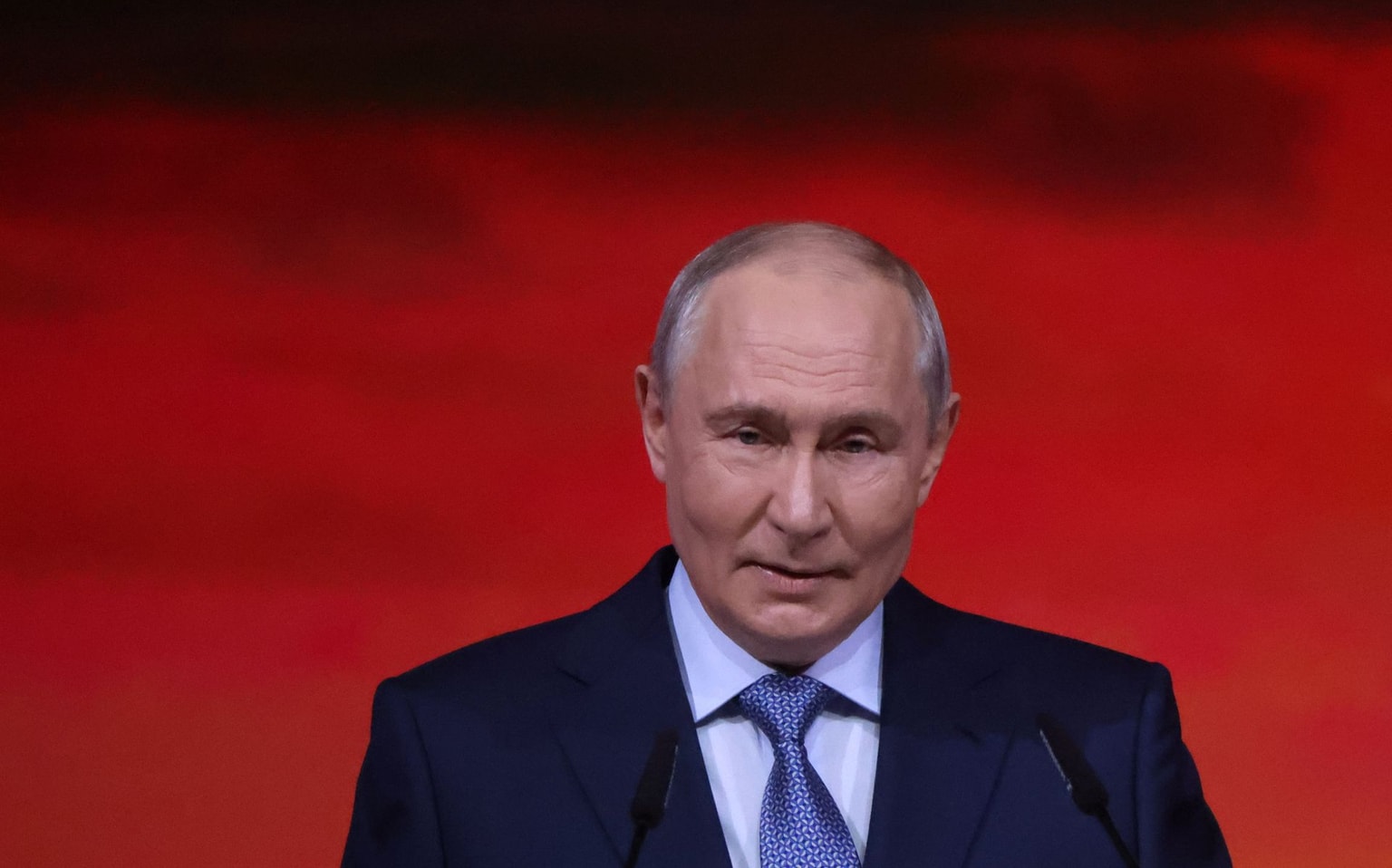
Mykhailo Fedorov, then-Defense Minister of Ukraine, in an unnamed location on June 17, 2026. (Roman Pashkovskiy / Mykhailo Fedorov’s team)
 on Google
Among those gathered in Kyiv on July 16 to protest the dismissal of Defense Minister Mykhailo Fedorov were members of Ukraine's military voicing fears that the controversial decision could seriously hinder the country's war effort.
"People who are actually trying to bring our victory closer keep getting removed or replaced," Serhii, a 43-year-old veteran protesting alongside active-duty soldiers, told the Kyiv Independent.
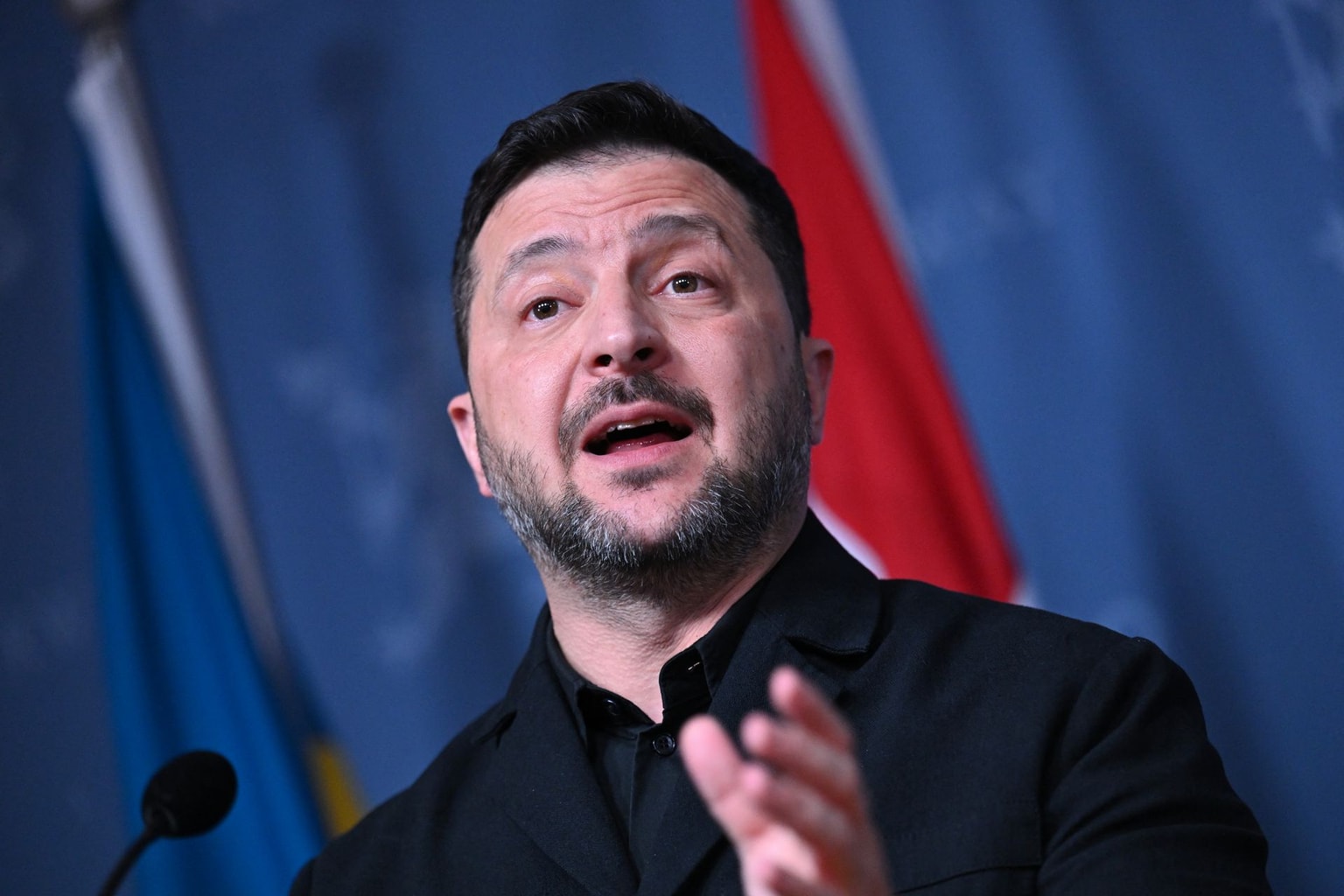
President Volodymyr Zelensky's decision a day earlier to dismiss Fedorov from his role has been met with outrage across Ukrainian society, largely due to a long list of his achievements during his productive, albeit short, six-month tenure.
A digital mastermind
Originally from the now Russian-occupied town of Vasylivka in Zaporizhzhia Oblast, Fedorov spent his youth in the southeast, which has faced the brunt of the full-scale war since it began in 2022.
After graduating from the Sociology and Management Faculty at Zaporizhzhia National University in 2014, he founded a digital marketing agency, SMMSTUDIO, which offers targeted advertising, social media marketing, and web development.
Fedorov worked as a digital marketer for Zelensky's Kvartal 95 production company through SMMSTUDIO, promoting projects, including the now president's shows.
After four years as the CEO of SMMSTUDIO, Fedorov left the company in 2019 to become the head of digital for Zelensky's presidential campaign.

Following Zelensky's victory in the presidential campaign in April 2019, Fedorov initially served as a non-staff advisor on digital affairs to the president before being appointed Ukraine's Vice Prime Minister and Minister of Digital Transformation later that year.
As the country's first-ever Digital Transformation Minister — the ministry was established in August 2019 — Fedorov spearheaded the development of the Diia mobile application and online portal, where citizens can access digital documents, including passports, driving licenses, and tax numbers, as well as public services, to pay taxes or register a business.
In the wake of the full-scale war, Fedorov launched the Army of Drones initiative with the General Staff and the government's fundraising platform, UNITED24 in 2022. The Army of Drones, a program established to build and maintain a massive number of aerial and ground-based drones and to train operators, helped transform the war.
In January, Fedorov assumed his role as defense minister, bringing with him his digital-first approach and reliance on data gathering.

The Starlink 'catastrophe'
One of Fedorov's first major achievements after becoming defense minister was convincing Elon Musk to restrict unauthorized Russian Starlink access on the battlefield in early February, shortly after Ukraine launched a surprise counterattack operation in the southeast.
SpaceX's satellite internet network, Starlink, has long become an integral part of battlefield communications for the Ukrainian military, offering a much safer and faster channel of communication, especially when compared to radio transmissions. While Starlink service is formally blocked in Russia itself, its use has been recorded in Russian-occupied territories, allowing Russian command posts to view drone footage via high-speed satellite internet, and to guide long-range drones.
Fedorov, who worked with Musk throughout his years as the digital transformation minister, described Russia's sudden loss of access to Starlink as "a catastrophe."
The Russian cutoff of Starlink on the battlefield helped Ukrainian counterattacks along the border of Zaporizhzhia and Dnipropetrovsk oblasts, according to top commanders of brigades taking part in the operation. The cutoff occurred less than a week into the operation, allowing Ukraine to buy time as the Russian army scrambled to look for alternatives, the 95th Air Assault Brigade's deputy battalion commander, Dmytro, previously told the Kyiv Independent.

The 'logistics lockdown' campaign
Fedorov launched Ukraine's "Logistics Lockdown" campaign on May 27, an effort to "systematically destroy Russian logistics, warehouses, equipment, command posts, and supply routes at operational depth".
Hr 5 billion ($112 million) was dedicated to purchasing "middle-strike" drones and loitering munitions to support the campaign. Fedorov's technocratic approach to leadership and his long and close relationship with ex-Google CEO Eric Schmidt — dating back to his previous role as digital transformation minister — paid dividends.

The "Hornet" middle-range strike drone, developed by Schmidt's "Perennial Autonomy" became the backbone of Ukraine's campaign. Perennial Autonomy's close relationship with the Ukrainian military, fostered by Fedorov, allowed quick adaptation and innovation such as integrating Starlink satellite communications on Ukraine's Hornets.
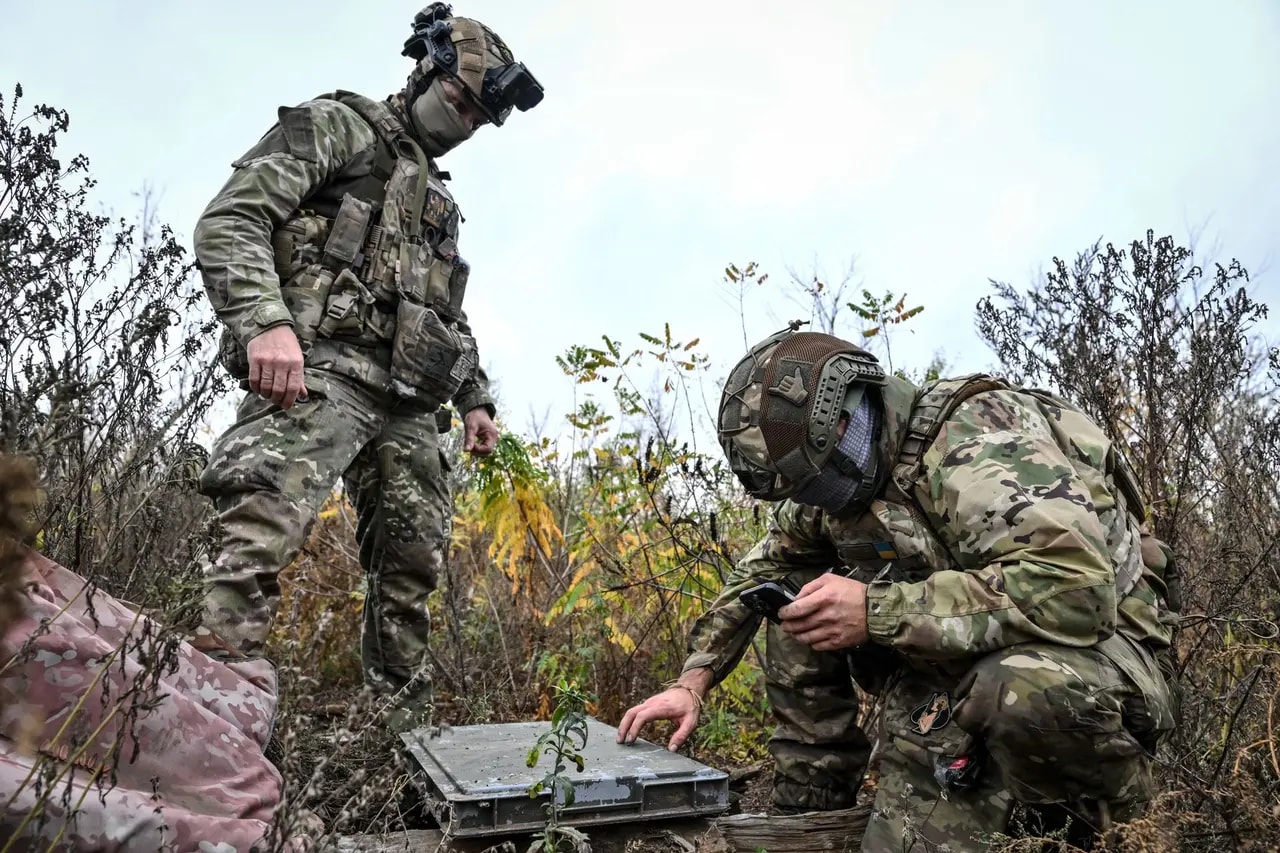
The campaign had a near-immediate impact. Videos of Ukraine's Hornets, operated by Azov Corps, flying over occupied Donetsk and Mariupol first raised Ukrainian morale. As the campaign matured, the systematic destruction of Russian logistics vehicles caused severe problems for Russian military logistics and near panic amongs Russian military bloggers. In late May, Russian war correspondent Dmitry Steshin claimed that unless action was taken immediately to mitigate the threat of Ukraine's middle-strike drones, "in the coming months, logistics will collapse."
In the case of Crimea, this was an uncannily accurate prediction.
read also
The Crimean siege
Ukraine's determined middle-strike campaign helped set the stage for the ongoing drone-led siege of Crimea. Strikes on the occupied peninsula were nothing new — Ukraine had been striking military infrastructure in Crimea since August 2022, but the funding addition of Ukraine's new middle-strike drones allowed the pressure to be amped up significantly.
Ukraine's new fleet of cheap and mass-produced drones enabled a systematic campaign of strikes against Russian logistics vehicles transiting the R-280 highway — the so-called "Novorossiya highway" — which stretches from Rostov Oblast in Russia and through occupied Donetsk and Kherson oblasts in Ukraine, before snaking down to Crimea. Securing this land bridge to Crimea became one of Russia's key strategic objectives during the invasion — and Ukraine's mid-range drones effectively severed it.
The process of the siege also included the targeting of bridges connecting the occupied peninsula to the Ukrainian mainland, the ferries that carried heavy cargo across the Kerch Strait, and fuel and electrical infrastructure across Crimea. The end goal was to weaken Russia's control of Crimea, making the "jewel in the crown" of Russia's new imperial conquests a liability, not an asset.

And a liability it has become. Crimea has suffered fuel, electricity, and water shortages as a result of the siege, and kilometer-long lines to flee the peninsula via the Kerch Bridge — the only relatively safe way to leave Crimea — are now common, as Russians vote with their feet and flee.
Keeping Crimea supplied has become a critical vulnerability in Russia's war. The most recent attempt to break Ukraine's de facto blockade, the assembling of an armada of merchant ships and oil tankers in the Sea of Azov, was greeted by a swarm of Ukrainian FP-2 mid-range drones.
Well over 100 tankers and other merchant ships were struck in night after night of drone strikes, crippling or sinking an estimated 50 plus merchant vessels.

Reforming mobilization system
Among the reforms Fedorov left unfinished was one of Ukraine's most politically sensitive challenges: rebuilding the country's draft and mobilization system. When Zelensky appointed him in January, overhauling Territorial Recruitment Centers (TCCs) was one of the key tasks placed before the new minister.
Years into the full-scale war, the relationship between draft officers and civilians remains deeply strained. Disputes over mobilization have increasingly spilled into the streets, with attacks on TCC personnel becoming more frequent, especially during document checks.
The latest confrontation came on July 8 in Lviv, where a group of men attacked and overturned a vehicle belonging to draft officers. The incident began during an attempt to detain one of the attackers, who was wanted for draft evasion.
But the tensions surrounding mobilization have not been driven solely by attacks on military personnel. There have also been numerous documented cases of TCC officers using excessive force during detentions or holding civilians in unacceptable conditions. In Uzhhorod, one of the most high-profile cases in April 2026, unsanitary conditions were discovered at a TCC facility, while conscripts' health complaints were found to have gone unanswered.

The scale of public complaints has also highlighted the depth of the problem. In 2026, the office of Ukrainian Ombudsman Dmytro Lubinets received over 3,000 complaints about draft officers' conduct, following 6,127 complaints in 2025. Lubinets told Radio Free Europe/Radio Liberty (RFE/RL) that the real number of violations could be "safely multiplied by three," because these statistics do not include cases identified directly by his office.
According to Commander-in-Chief Oleksandr Syrskyi, draft offices account for 90% of Ukraine's mobilization capacity. At the same time, the institutions responsible for carrying out mobilization have become deeply unpopular among the public — a perception amplified by Russian propaganda and hundreds of online videos showing alleged abuses by military personnel against civilians.
This has left Ukraine facing a dilemma: it must continue mobilizing troops for the war effort, yet the very institutions tasked with carrying out that process have lost much of the public's trust.
"It is impossible to resolve the issue of mobilization without a new social contract and without real changes in the military," Fedorov said at a July 16 press conference, adding that TCCs are subordinate to the Ground Forces, overseen by the General Staff led by Syrskyi and Hnatov.
According to the former minister, the government's new military contracts introduced in June are being overshadowed by another conversation taking place among young Ukrainians eligible for service: one shaped by reports of alleged abuse of soldiers and misconduct by military commanders.
Fedorov cited the case of Stanislav Luchanov, the former commander of the 155th Separate Mechanized Brigade, who allegedly ordered his subordinates to abduct and kill two civilian men in Kyiv Oblast who had reportedly insulted his wife.
"(He) committed the greatest evil that could be committed during a full-scale war," Fedorov said.
Fedorov added that mobilization cannot be fixed in isolation and requires addressing the other 10 issues he outlined during his July 16 press conference, including alleged resistance from the military command to ministry initiatives and persistent bureaucratic obstacles.
Landmark military reforms
More than four years into Russia's full-scale war, the Ukrainian military has increasingly struggled to motivate its soldiers as exhaustion and the horrific reality of the war gradually dampens morale.
As part of Ukraine's efforts to improve morale among troops and recruit new, motivated soldiers to join the fight, Fedorov announced long-awaited military reforms in June that include higher pay, increased combat bonuses, and fixed contracts for infantry, as well as a fresh drive to recruit foreign fighters.
One of the key parts of the reforms is offering a fixed-term contract, rather than indefinite service under martial law, allowing those who sign up to know "where they serve, how long they serve, what their pay is, and what will happen after the service," according to Fedorov.
Both newcomers and soldiers already in the army can sign a fixed-term contract. Setting a concrete service period is an incentive to attract potential recruits who are open to enlisting, as long as they know how long they would have to serve, to avoid a scenario soldiers call "a one-way street," where they feel trapped in the army with no end in sight.

Under the reforms, for example, civilians can sign a 14-month contract for an infantry or assault soldier role, whereas the term can be 10 months for those already in the military and as short as half a year for veterans who have been discharged from service. The terms are set to be longer for other roles further from the front, such as for drone pilots, artillerymen, and electronic warfare specialists.
"Right now, many civilians think that once you join the army, your civilian life is over forever because nobody can even tell you, on paper, when your service might end," soldier Denys, who has served since the beginning of the war in 2022, told the Kyiv Independent.
"That uncertainty is a huge barrier."
Denys stressed that army reform is crucial, and that he believes Fedorov delivered "the biggest and most tangible changes" of all defense ministers during the full-scale war.
Another part of the reforms is raising the salary, particularly for the infantry, including assault soldiers, who face the heaviest casualties. The Ukrainian military has long struggled to replenish the infantry ranks of battle-hardened brigades, as the manpower crisis deepens amid heavy losses on the front.
Fedorov said the reforms would include raising combat pay to about $7,000 a month, which he said is the highest salary rate for infantry in the world and a significant increase over the current monthly combat pay of $2,200.


The reforms, however, failed to address the long-anticipated demobilization of soldiers who have been fighting since 2022, with barely any breaks. After the shortfall triggered a fresh wave of frustration among long-serving soldiers, Fedorov's office said that the gradual demobilization of soldiers and officers who have served since 2014 and 2022 will begin by the end of 2026, prioritizing those with longer service and more combat time.
Fedorov, who became the defense minister at the peak of Ukraine's AWOL and desertion crisis, also announced a fast-tracked process to join the most effective combat units for those returning from being AWOL for the first time — for which Ukraine offers a one-time amnesty for the criminal offense — as part of the reforms. He was among the first top Ukrainian officials to publicly raise the issue of being AWOL and desertion, estimating the number at 200,000 in his appointment speech, and pledged to tackle the crisis.
With Fedorov ousted from the ministry, the fate of the ongoing reforms, which soldiers on the ground viewed as dangerously optimistic, is unclear. It has become ever more difficult for the Ukrainian military to find motivated recruits at this stage in the war who are willing to replace soldiers who have fought since the beginning of the full-scale invasion.
Bolstering air defense
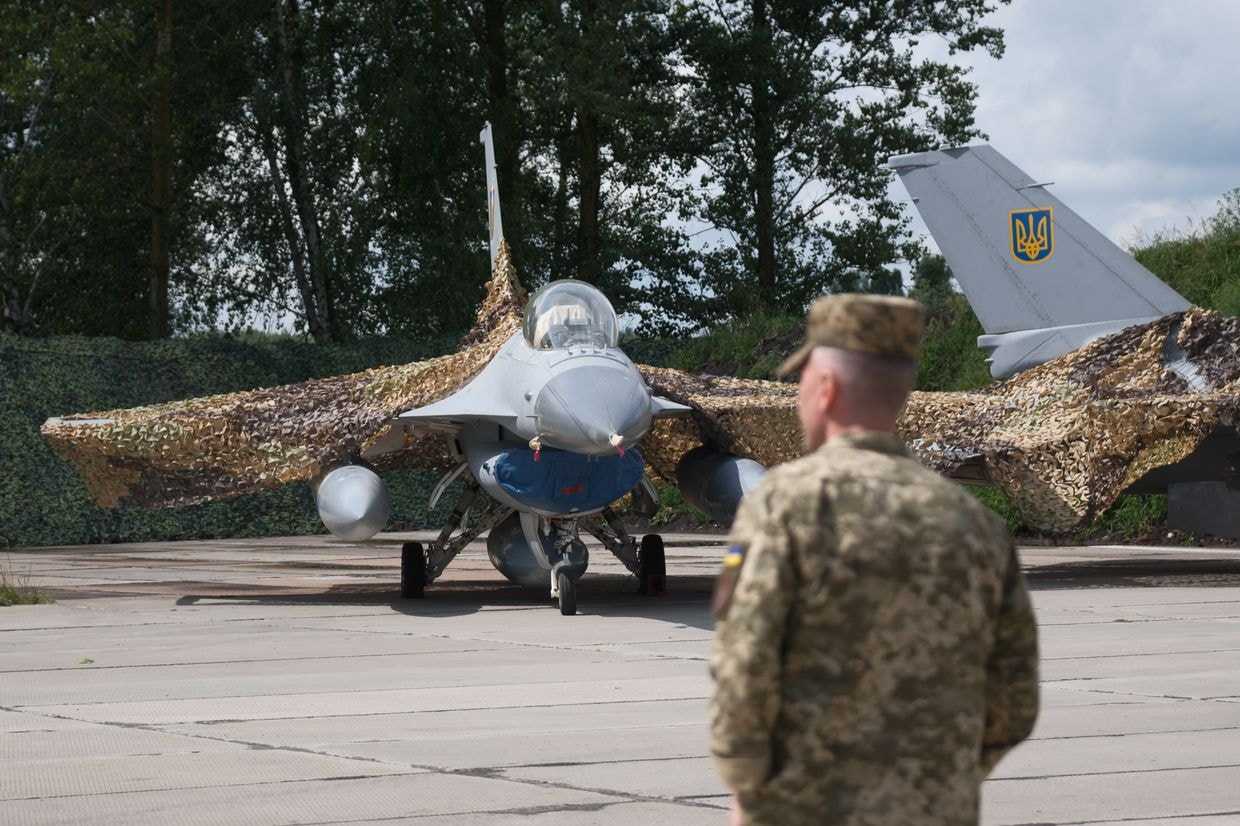
One of Fedorov's top priorities when becoming defense minister was strengthening Ukraine's air defenses. Again, taking a technocratic, data-heavy approach, he ordered the introduction of an "after-action review system," aimed at analyzing the performance of Ukrainian air defense teams after each major Russian attack.
Fedorov also made other reforms to bolster Ukraine's air defenses. He allowed the establishment of private air defenses, which allowed businesses to "develop private air defense capabilities and participate in the protection of their own infrastructure," and appointed a slew of well-regarded experts, such as Serhii Sternenko, a long-time proponent of the use of first-person view (FPV) interceptors to down incoming Russian drones, as advisors.
Fedorov's reforms bore fruit, with Ukraine's air defenses routinely successfully engaging over 90% of incoming conventional Russian munitions, such as cruise missiles and Shahed-style one-way attack munitions, although defending against ballistic missiles proved to be extremely difficult due to a critical shortage of Patriot PAC-3 interceptors.

The Fedorov-Syrskyi conflict
As news of the imminent dismissal unfolded, so did the understanding of the reason: the escalating personal and professional conflict between Fedorov and Oleksandr Syrskyi, Commander-in-Chief of the armed forces.
The tensions, anticipated from the moment of Fedorov's initial appointment, stemmed from a difference in leadership styles and approaches to military culture.
Yuriy Hudymenko, a prominent veteran and head of the Public Anti-Corruption Council at the Defense Ministry, told NV news outlet the two men approach problems from "fundamentally different perspectives" in an interview on June 17.
"This is a conflict between a young technocrat and a general from a largely post-Soviet military school," Hudymenko said.
Syrskyi, who graduated from the Moscow Higher Military Command School in 1986, favors the heavily centralized style of command and control used by the Soviet Union, and has been frequently criticized for undermining the war effort through micromanagement of the battlefield and encouraging a "Soviet-style" culture where responsibility is avoided at all levels of command, false information is passed up the command chain and bad orders passed down.
Over years of attritional war under Syrskyi, these systemic problems led to a deepening of Ukraine's chronic manpower crisis, exacerbated further by the preferential distribution of mobilized recruits to large assault regiments under the general's direct command.
"This is a conflict between a young technocrat and a general from a largely post-Soviet military school."

For months, despite the conflicting mentality, Fedorov and Syrskyi co-existed, with the former acting as a counterweight, pushing reforms and optimizing processes.
Openly acknowledging the conflict for the first time in a press conference on July 16, Fedorov revealed he had suggested, without success, that Zelensky remove Syrskyi.
"When the president said that he did not plan to replace Syrskyi, I completely agreed with this decision and said that it meant I would learn to work with him," Fedorov said, "because our client is the entire Ukrainian people."
"But we were faced with the fact that all the initiatives that we proposed began to be blocked, and Syrskyi is not ready to personally talk about problems face to face," he added.
While acknowledging Syrskyi's early achievements in the Battle of Kyiv and Kharkiv counteroffensive of 2022, the minister argued that Syrskyi has not adapted to changes in warfare, and lacks a proper strategy for this stage of the war.
"Instead of thinking about how to asymmetrically defeat Russia, he thought about how to split the country," Fedorov said, "and this is a big problem."
‘Syrskyi should be the one replaced’
Fedorov's dismissal triggered an immediate backlash from former and serving members of the Ukrainian military, some of whom gathered outside the President's Office in Kyiv on July 16, arguing the reforms they had waited years to see were only beginning to take effect.
"Certainly, Syrskyi should be the one replaced. It's very simple," said Maksym, a 26-year-old active-duty serviceman. "It comes down to development and the direction in which all our efforts and resources will be invested. Either they'll be invested in development, or we'll simply return to the old Soviet way of doing things, which won't lead anywhere."
Among those voicing concern was Major General Mykhailo Drapatyi, the commander of Ukraine's Joint Forces, widely regarded as one of Ukraine's most respected military leaders.

"The army needs change, but without justice, no change will have meaning for the people who carry this war on their shoulders every day," he wrote on Facebook.
"It's demoralizing," said Bohdan, a 29-year-old former soldier who joined the protest in Kyiv.
"People had hope that reforms were coming, that things were finally changing for the better. They were already beginning to happen. Now it feels like everything is going back to the way it was."
"Everyone saw the reforms," said Dmytro, a 37-year-old serviceman in a drone unit. "A lot of people tried to put obstacles in his way, but he was making them work. The results are there."
"He accomplished more in six months than others did in three years," said Denys, a 42-year-old active-duty serviceman who has served in combat roles for more than four and a half years.