Former Fedorov advisor accuses Syrskyi of deliberately weakening Ukrainian army in explosive livestream
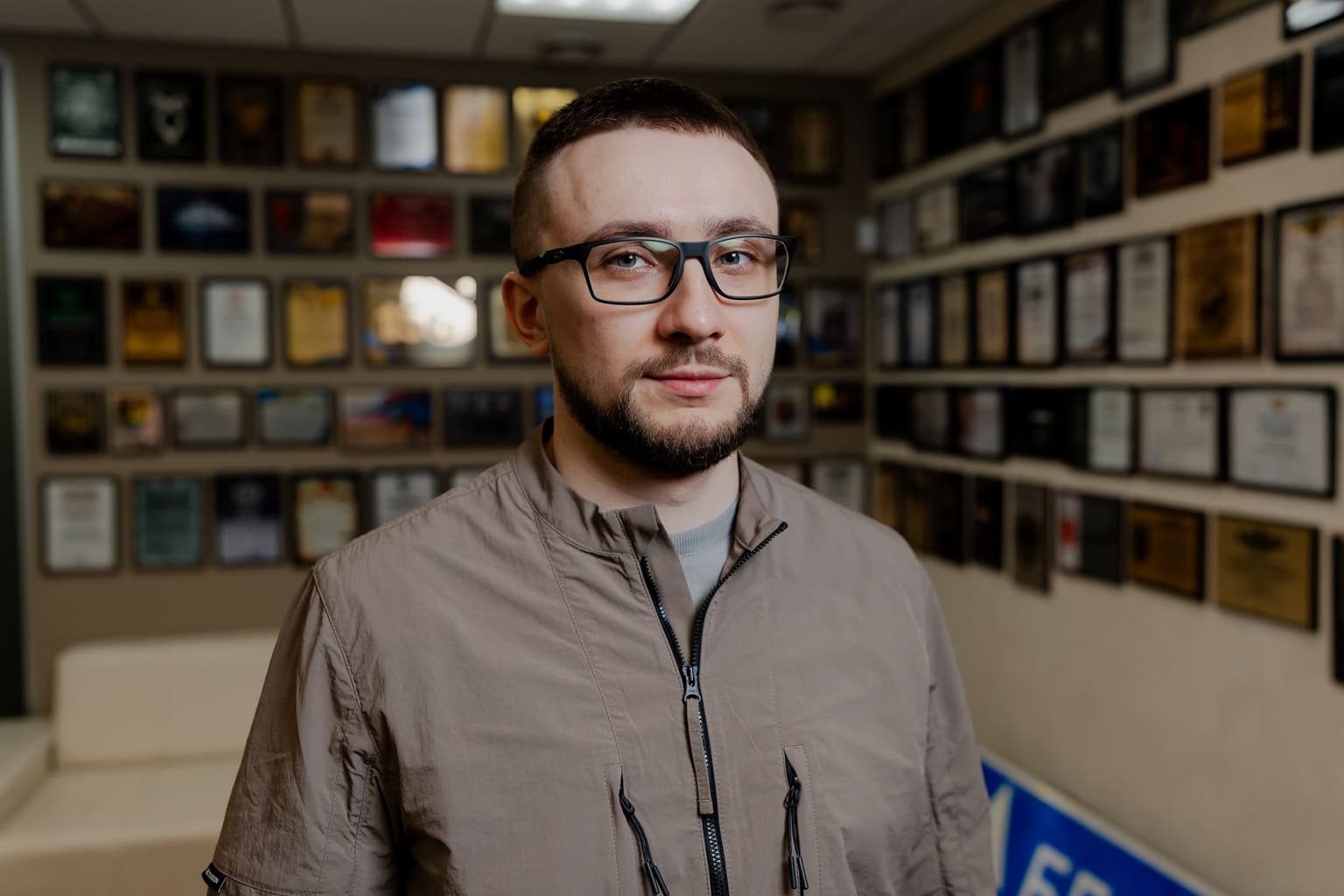
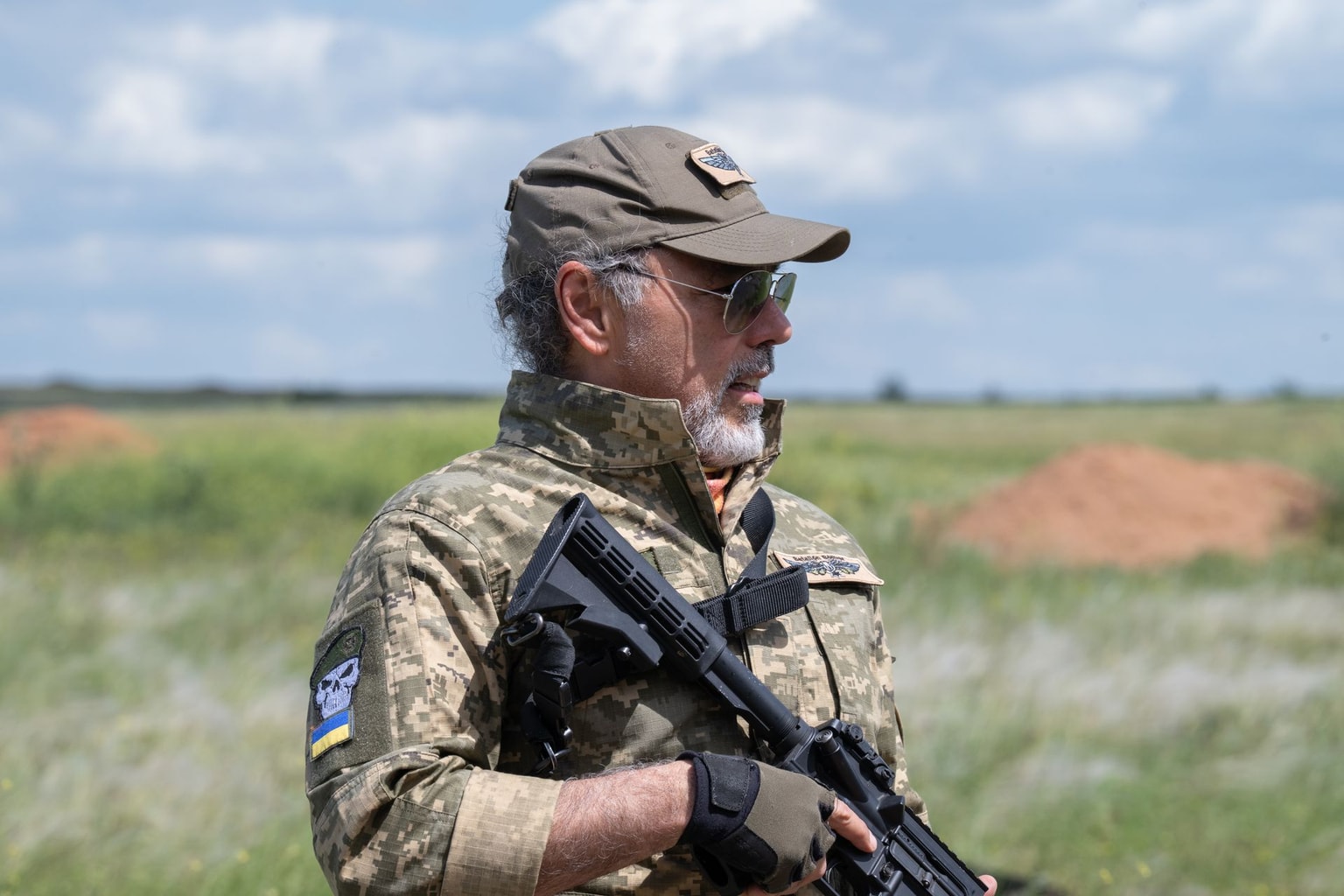
Serhii Sternenko, former adviser to dismissed Defense Minister Mykhailo Fedorov, in his office in Kyiv, Ukraine, on March 17, 2026. (Valentyna Polishchuk / The Ukrainians)
 on Google
A former adviser to dismissed Defense Minister Mykhailo Fedorov has accused Commander-in-Chief Oleksandr Syrskyi of covering up friendly-fire incidents and the deliberate weakening of some Ukrainian brigades in the face of Russian assaults.
Sternenko's livestream comes two days after Fedorov's dismissal as defense minister, a move that caused a seismic political shock in Ukraine. It also comes a day after Fedorov himself held a press conference and admitted he pushed for Syrskyi to be replaced, a move he said President Volodymyr Zelensky rejected.

Serhii Sternenko, a prominent Ukrainian activist, broadcast the accusations live on YouTube on July 17, at one point visibly upset as he described a failed assault on the Pokrovsk front.
"Disoriented, (Ukrainian troops) mistakenly assaulted the positions of another Ukrainian brigade. A friendly-fire incident occurred. Soldiers from another Ukrainian brigade were killed. The soldiers who had been sent on that assault also died," he said.
Sternenko said the assault was carried out by troops under the command of the suspended 425th "Skelia" Regiment Commander Yurii Harkavyi, who sent them into an armored assault without notifying neighboring Ukrainian units or conducting reconnaissance.
According to Sternenko, the column drove into Ukrainian minefields before coming under Russian artillery and drone fire. The surviving soldiers then became disoriented and mistakenly assaulted the positions of another Ukrainian unit.
Sternenko alleged that instead of investigating the incident and dismissing Harkavyi, Ukraine's military leadership sought to discredit him after he publicly wrote about the assault.

"Instead of investigating what had happened and removing Harkavyi from his position... I was subjected to a massive information campaign... They claimed I had invented the story," he said.
Skelia is one of Ukraine's largest assault formations, with more than 10,000 personnel. Expanded as part of an effort by Syrskyi to build specialized assault units, the regiment receives a large share of newly mobilized recruits and is regularly assigned high-risk assault operations.
Skelia has reportedly suffered higher-than-average battlefield losses, and a recent investigation by Ukrainian news outlet Babel alleged abuse within the unit and at least 26 noncombat deaths among recruits. On July 24, a day after the investigation was published, Ukraine's State Bureau of Investigation announced a pre-trial investigation of Skelia.
read also
Sternenko also alleged that Syrskyi deliberately deprived certain brigades of personnel, equipment, and logistical support if he disapproved of their commanders, while favoring others with reinforcements.
"Some brigades, and especially certain regiments, at one point were receiving more than half of all newly mobilized personnel in the entire country," Sternenko said.
"Meanwhile, the rest of the brigades would receive either minimal reinforcements or none at all."
He further alleged that commanders who fell out of favor could be denied reinforcements or logistical support, leaving their units vulnerable during Russian assaults.
"So that when the Russians attacked that brigade, it would collapse more quickly," he said, without specifying which units he was describing.
At the time of publication, the General Staff had not publicly responded to the allegations. The Kyiv Independent reached out to the General Staff for comment and will update this story if it receives a response.
A senior member of one prominent and highly successful Ukrainian brigade, which the Kyiv Independent is not naming due to the risk of retaliation, told the Kyiv Independent they believed Syrskyi had deliberately sabotaged their unit on multiple occasions.

They alleged refusing to allocate military support promised to their formation by Western partners, and holding back logistical support or reinforcements, despite their success on the battlefield.
The officer said Fedorov's efforts to improve transparency around battlefield losses and resource allocation threatened that system.
"Fedorov's dedication to honest and open reporting was the main threat to Syrskyi, who relies on laws surrounding operational security and compartmentalization to obscure the fact that he constantly wastes our most valuable resource — our soldiers," they added.
Other high-profile Ukrainian military figures have made similar accusations. Former Azov Chief of Staff Bohdan Krotevych, a frequent critic of Syrskyi accused him of creating a 'lying culture' in the Ukrainian military," in an interview in November 2025, which led to subordinates being afraid to accurately report the situation on the battlefield.
Sternenko also accused Syrskyi of failing to properly analyze battlefield losses, alleging that the General Staff refused to provide casualty data to the Defense Ministry even after officials requested it as part of efforts to assess operational effectiveness.
"The General Staff refused to provide casualty data to the Ministry of Defense... 'Could you tell us what the losses were during a given period, or in a particular formation?'... 'We're not giving you any information,'" he said.
"This is what Syrskyi is protecting. And that is precisely why I am convinced that he should not merely leave his position. He should bear criminal responsibility for what he has done to the Ukrainian military."
The dismissal of Fedorov as defense minister has been met with outrage across Ukrainian society, largely due to a long list of his achievements during his productive, albeit short, six-month tenure.

As events unfolded, it became clear that a clash between Fedorov and Syrskyi was behind Zelensky's decision.
The tensions, anticipated from the moment of Fedorov's initial appointment, stemmed from a difference in leadership styles and approaches to military culture.
Syrskyi, who graduated from the Moscow Higher Military Command School in 1986, favors the heavily centralized style of command and control used by the Soviet Union, and has been frequently criticized for undermining the war effort through micromanagement of the battlefield and encouraging a "Soviet-style" culture where responsibility is avoided at all levels of command, false information is passed up the command chain and bad orders passed down.
Fedorov, a young defense minister who had tried to drastically reform the army and air defense sectors, said during his July 16 press conference that "we have no other choice if we want to defeat the enemy asymmetrically, with minimal losses."
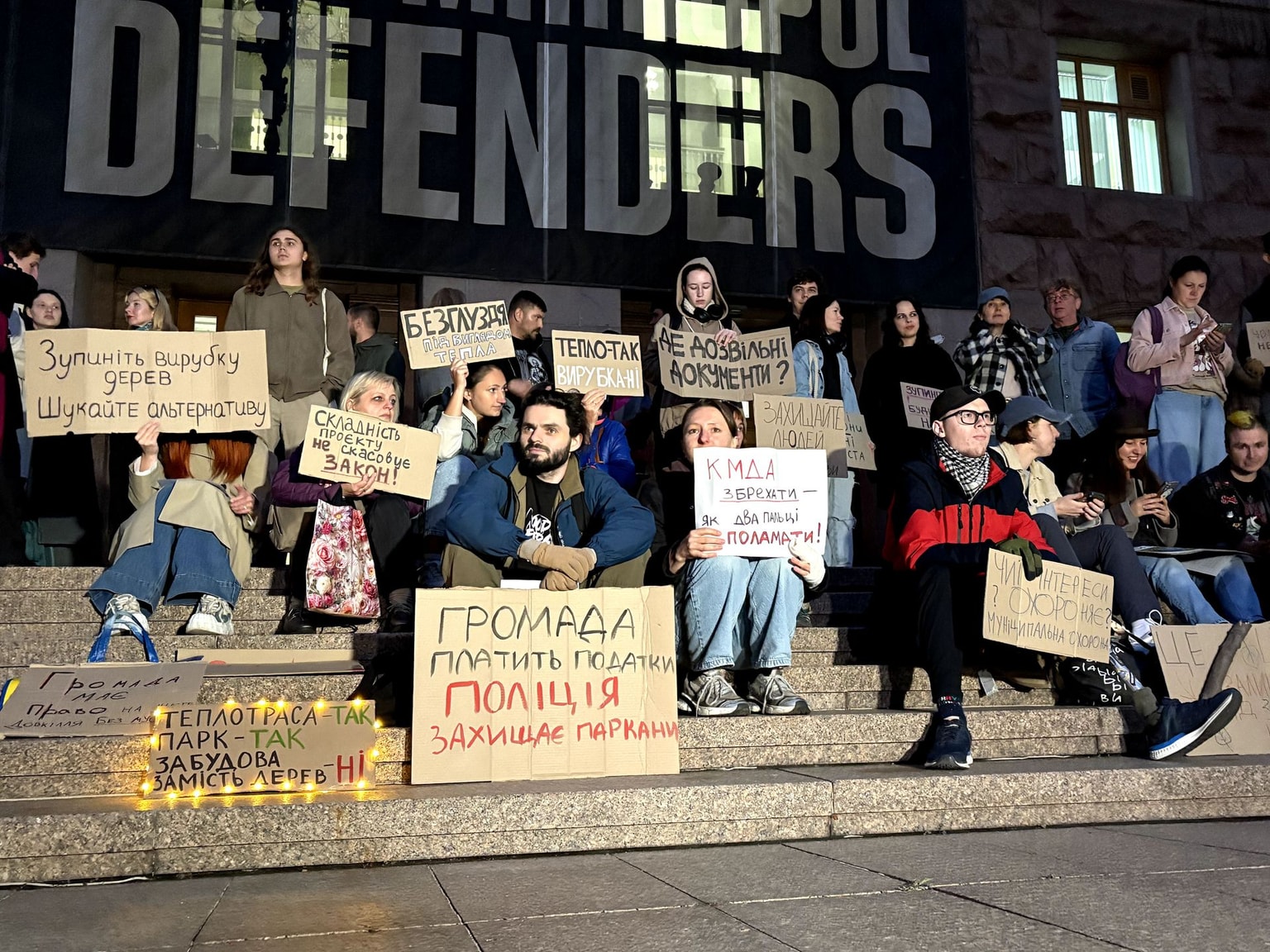
Approximately 1,000-2,000 people gathered in Kyiv on the morning of July 16 to protest his dismissal, some of whom were soldiers and veterans who had hoped Fedorov would help resolve Ukraine's long-standing military issues, from mobilization to the severe lack of manpower.
More protests are scheduled to take place on the evening of July 17.