Russian specialists aiding Iran's development of supersonic cruise missiles, FT reports
 on Google
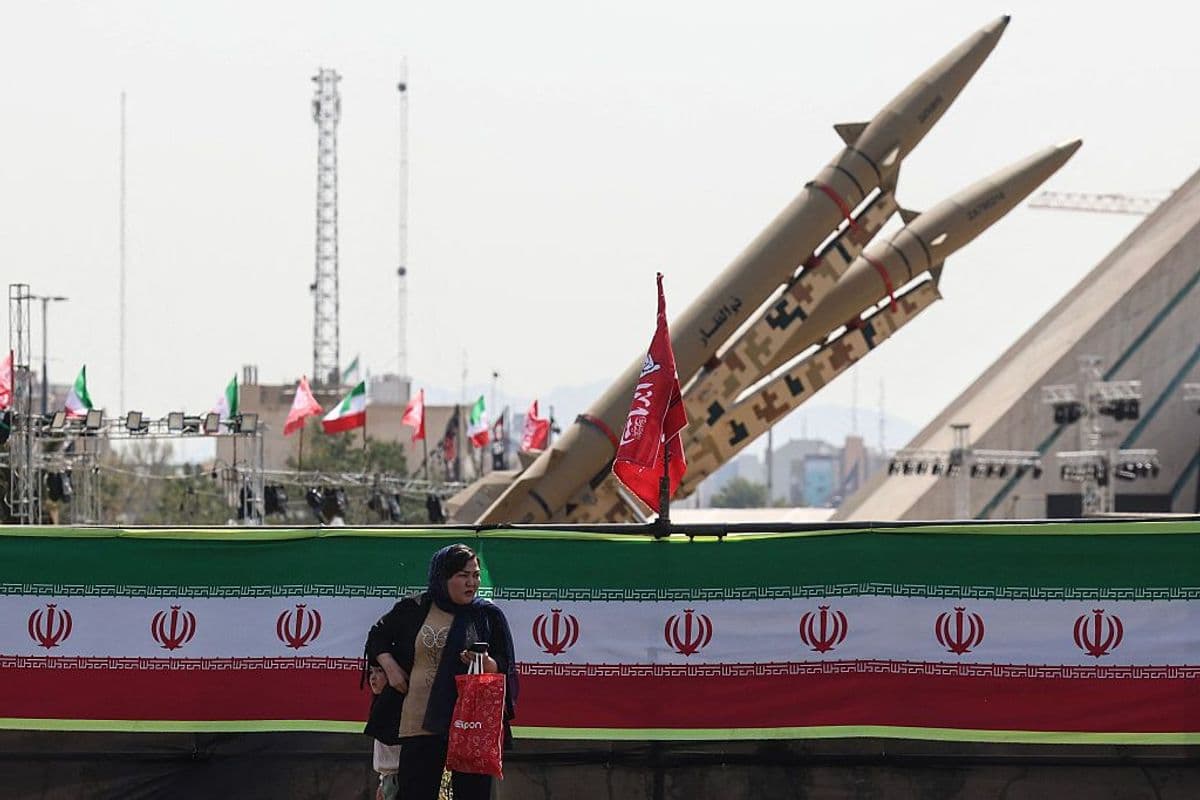
Russian missile specialists have been working with Iran on a covert program aimed at advancing Tehran's ability to develop supersonic cruise missiles, the Financial Times (FT) reported, citing leaked correspondence, travel records, and an analysis of military patents.
The program, codenamed C430L, began in 2023 and involves Russian experts assisting Iran with the development of ramjet propulsion, according to the FT. The technology allows cruise missiles to maintain flight at several times the speed of sound and is likely intended for anti-ship and land-attack weapons.
Iran has already built and flight-tested a ramjet propulsion system, though the FT said there is no evidence that a supersonic cruise missile developed with Russian assistance has entered service.
Such missiles could pose a new threat to U.S. naval vessels in the Middle East. Their high speed and ability to fly at low altitudes can reduce the amount of time available for air and missile defense systems to detect and intercept them.
Russia's state arms exporter Rosoboronexport coordinated the program with NPO Mashinostroyenia, a Russian missile manufacturer sanctioned by the United States in 2014.
Travel records reviewed by the FT showed that Russian arms export officials and senior NPO Mashinostroyenia engineers repeatedly traveled to Iran before Rosoboronexport signed a contract with Iran's Ministry of Defence and Armed Forces Logistics in November 2023.
By 2025, NPO Mashinostroyenia had received Iranian technical material related to the ramjet system. Russian engineers subsequently analyzed data from an Iranian flight test and sought additional information from Tehran about the system's fuel supply, combustion stability, air intake, engine nozzle, and other aspects of its performance.
According to the FT, the exchanges show Russian engineers assessing a system Iran had already constructed and tested and using their expertise to help address technical problems and improve the design.
The cooperation continued into 2026, after the beginning of the U.S.-Israeli war against Iran. Correspondence reviewed by the FT showed Russia preparing technical reports for Tehran while the two sides discussed a possible next stage of the program as recently as June. It remains unclear whether that stage has begun.
The Kremlin, Rosoboronexport, NPO Mashinostroyenia, and the Iranian government did not respond to the FT's requests for comment.
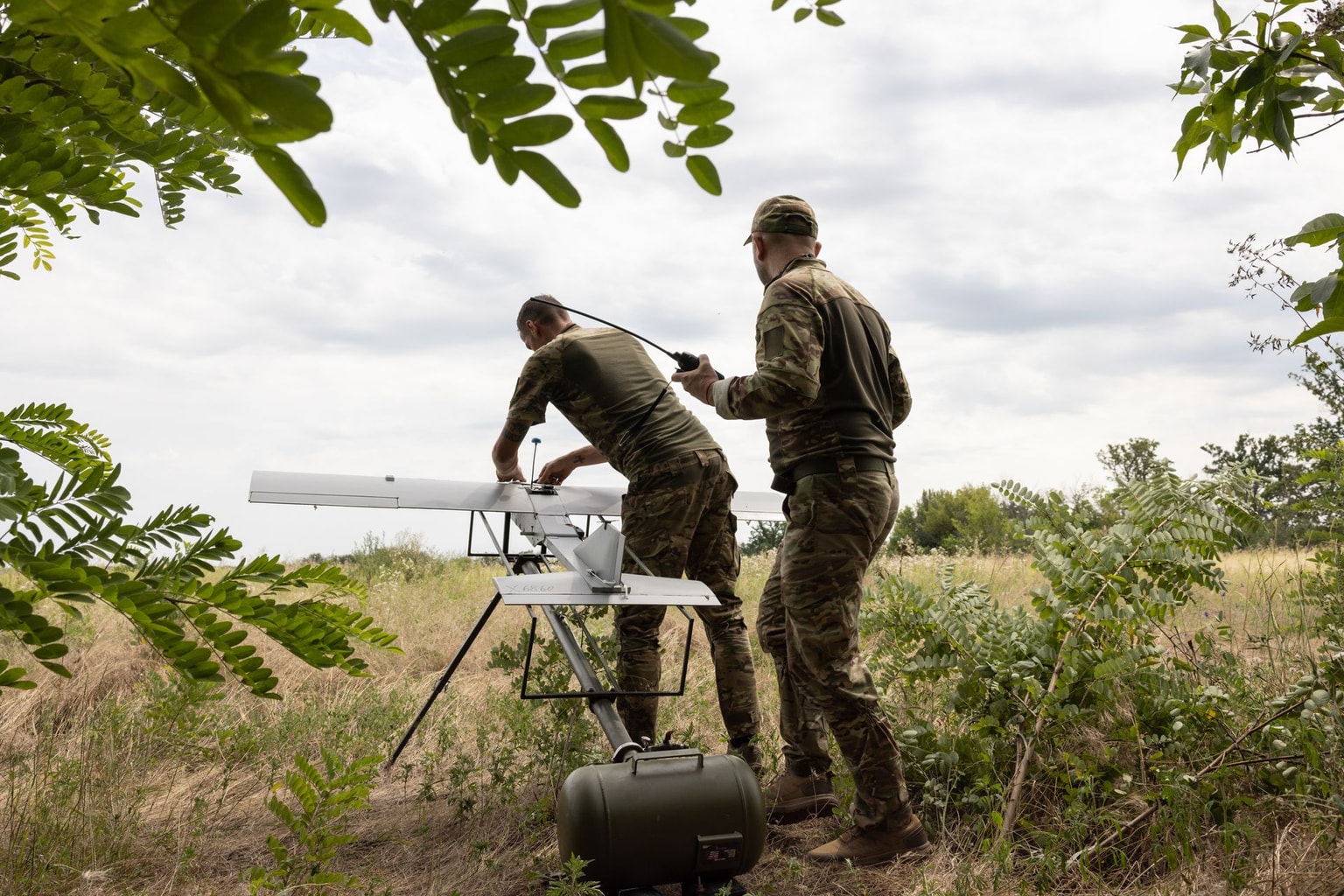
The program comes amid deepening military cooperation between Moscow and Tehran. Iran supplied Russia with Shahed attack drones used extensively in its war against Ukraine and helped Moscow establish domestic production of the drones.
Ukraine and Western officials have also accused Russia of assisting Iran during its war with the United States and Israel, including by providing satellite imagery, drone support, and weapons components.