Russian oil supplies to EU resume after Ukrainian drone strike, Hungary says
 on Google
Russian oil supplies via the Druzhba pipeline to Hungary and Slovakia have resumed after being halted for a day following a Ukrainian drone strike, Hungarian Foreign Minister Peter Szijjarto said on Aug. 19.
"After last night's Ukrainian attack, oil supplies to Hungary via the Druzhba pipeline have been resumed in the last few minutes," Szijjarto wrote on Facebook. "We expect that Ukraine will not launch new attacks on the pipeline, which is critical to our country's energy supply."
Russian crude flows to Hungary and Slovakia through the Soviet-era pipeline were suspended on Aug. 18. Later in the day, Ukraine's Unmanned Systems Forces confirmed that drones had struck the Nikolskoye oil pumping station in Russia's Tambov Oblast, disrupting operations.
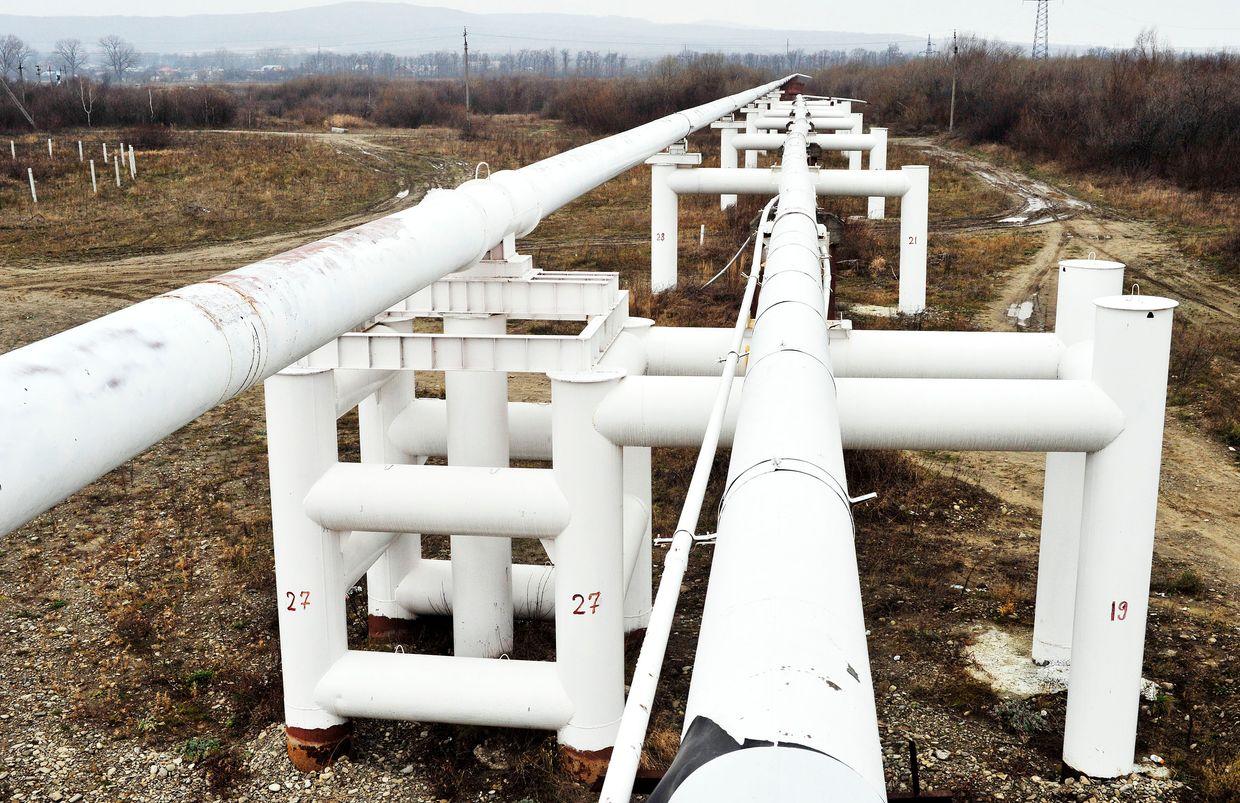
The Druzhba pipeline, one of the world's largest, carries Russian oil through two main branches: the northern line toward northern Europe and the southern line to Central Europe.
Hungary and Slovakia are the only EU countries still buying Russian crude through the system. In July, they imported $232 million and $196 million worth of oil, respectively.
The pipeline also shut down flows in March after a Ukrainian attack on a different metering station. According to Reuters, Russia supplied 95,000 barrels of oil daily to Hungary via this route last year.
Budapest, which imports most of its oil through Druzhba, has opposed EU attempts to fully halt Russian energy imports.
Meanwhile, Ukraine has stepped up strikes on Russian oil infrastructure, targeting one of Moscow's most lucrative revenue streams for financing its war.