Russia clearly 'not ready' for peace talks, says Latvian Foreign Ministry official
 on Google
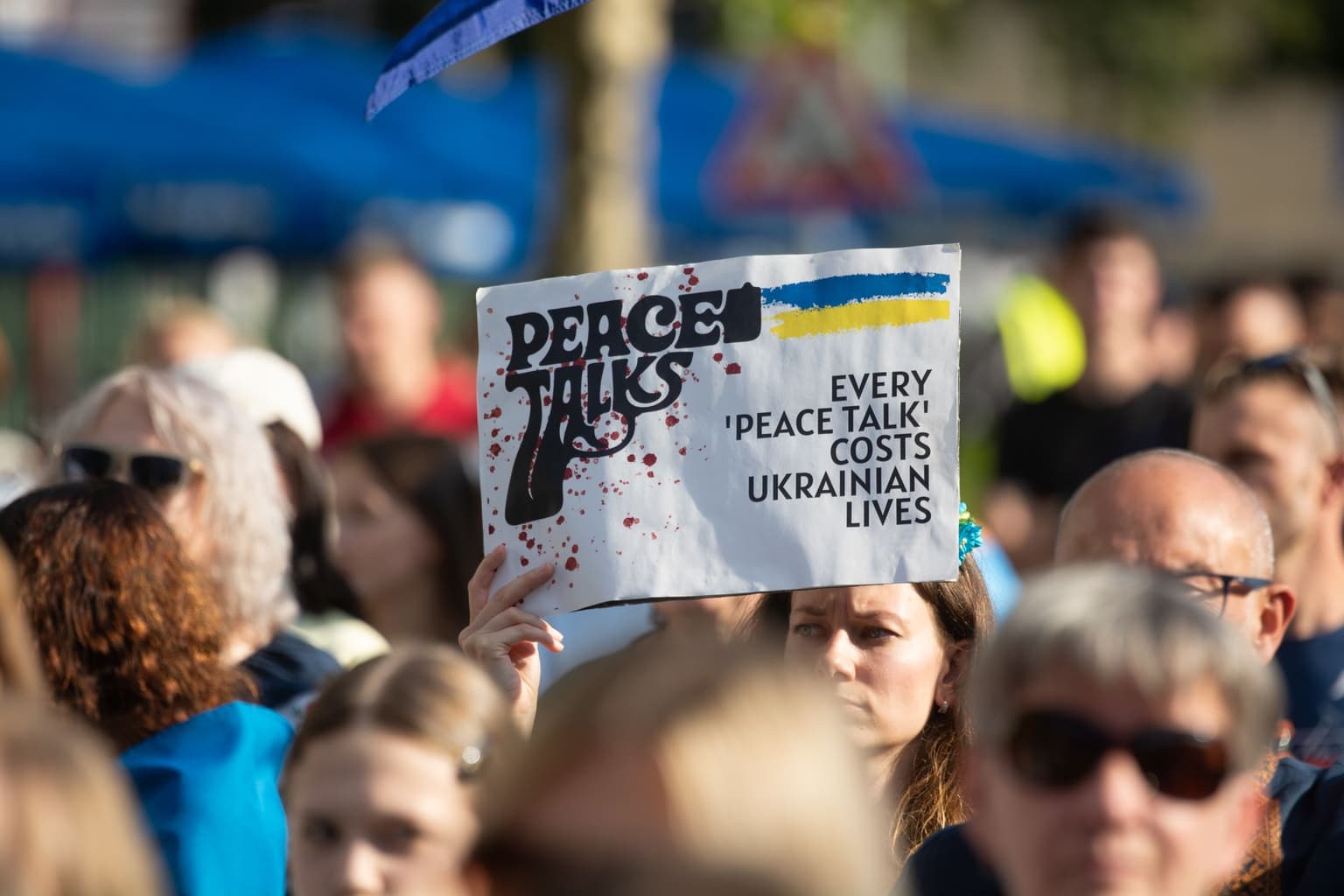
Russia has shown it is not prepared to engage in peace talks by repeatedly rejecting previous opportunities, said Artjoms Ursulskis of the Latvian Foreign Ministry at a gathering of EU foreign ministers in Brussels on May 26.
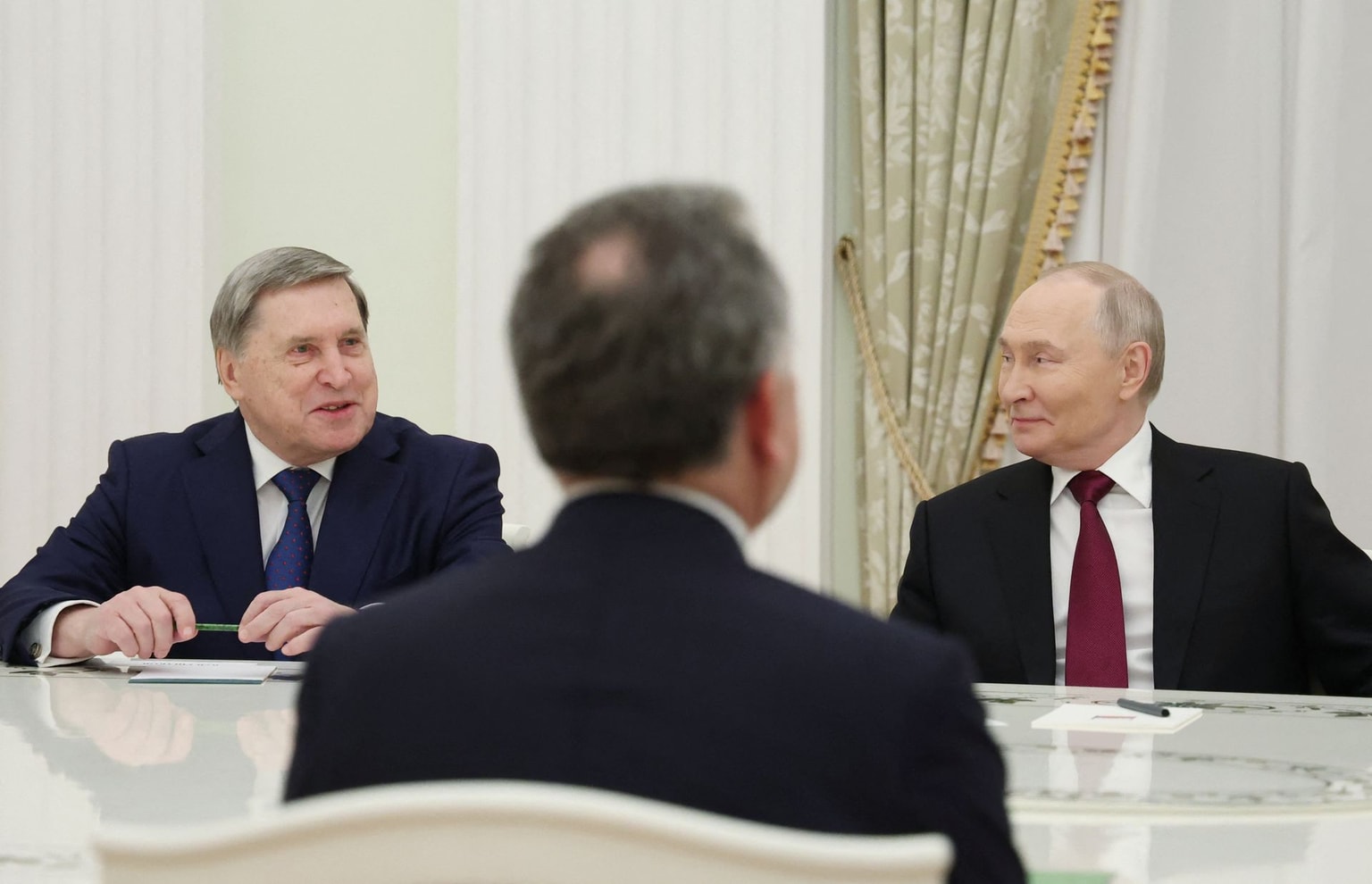
The comments come after Russian President Vladimir Putin suggested the regime-friendly former German Chancellor, Gerhard Schroeder, could represent Europe in future peace talks, which prompted two weeks of media-driven speculation over who a future EU peace envoy could be.
"The first main condition should be that Russia should be ready to actually talk. They are not. They are not ready to engage in meaningful peace talks," said Artjoms Ursulskis, deputy to Latvia's Foreign Minister Baiba Braze.
His position dovetails with that of the EU's top diplomat Kaja Kallas, who says that first Europe needs to agree on the conditions it would set for peace talks, something foreign ministers of the 27 EU countries will discuss in Cyprus, May 28.
Not on the agenda will be 'who' should represent the talks, though that hasn't stopped EU media from floating many would-be representatives, assuming for some reason it would not be the job of Kaja Kallas, as the EU's topmost official for foreign affairs matters.
Among the names included are ex-German Chancellor Angela Merkel, who said at an event in Berlin on May 20 that the negotiator should be a head of government, and Finland's President Alexander Stubb, who said one cannot really decline when asked to take on such a job.
Ursulskis added that "there have been at least six or seven opportunities to actually agree to a permanent ceasefire or a longer ceasefire. They rejected every one of them. Ukraine was ready. Europe was ready. The USA was ready. Not Russia."
The Latvian official expressed his doubts that Russia will change its position any time soon, and said that Europe needs to instead focus on "making sure that Russia is weak enough to not be able to do anything bad."
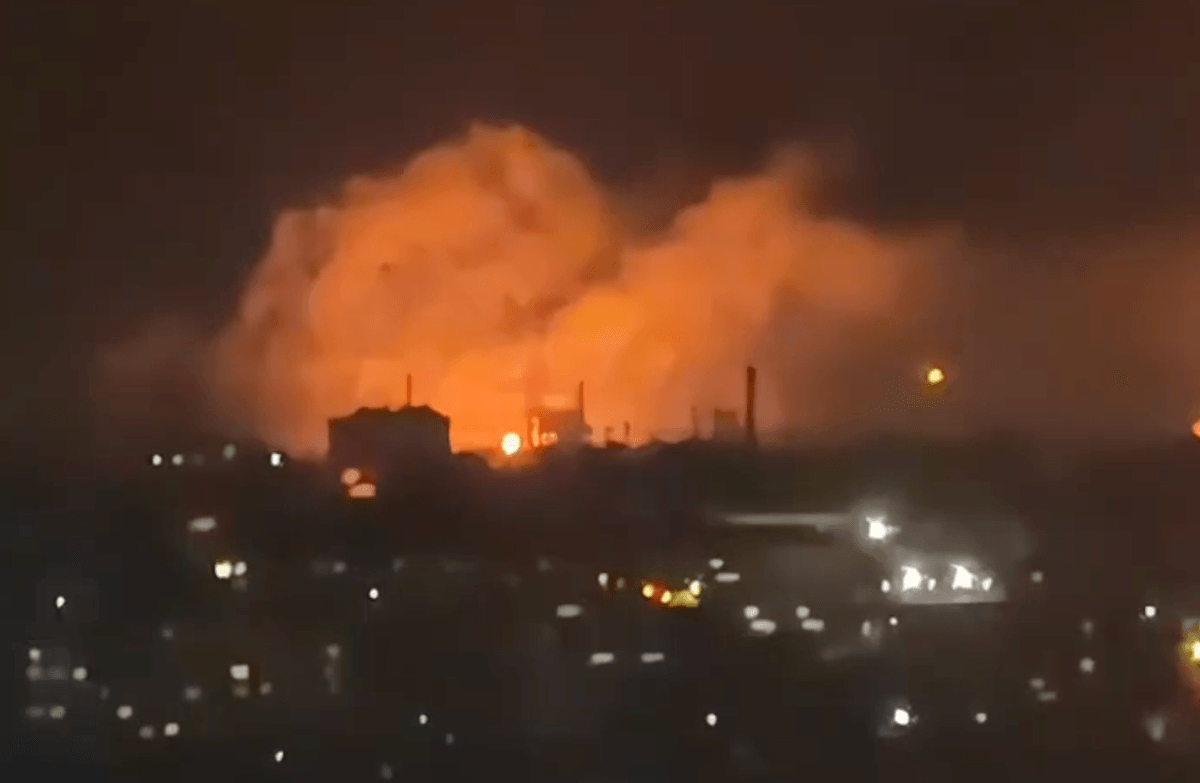
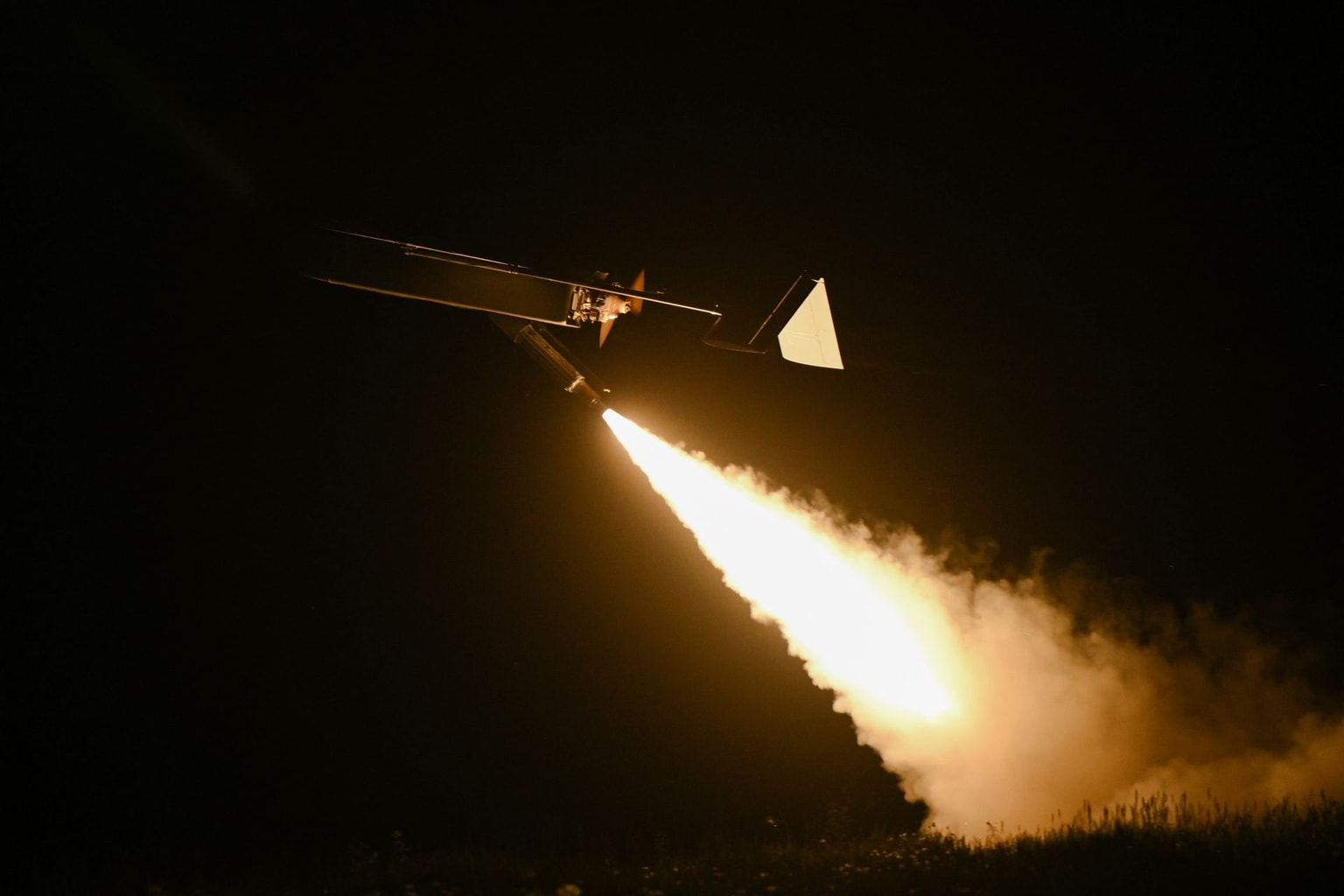
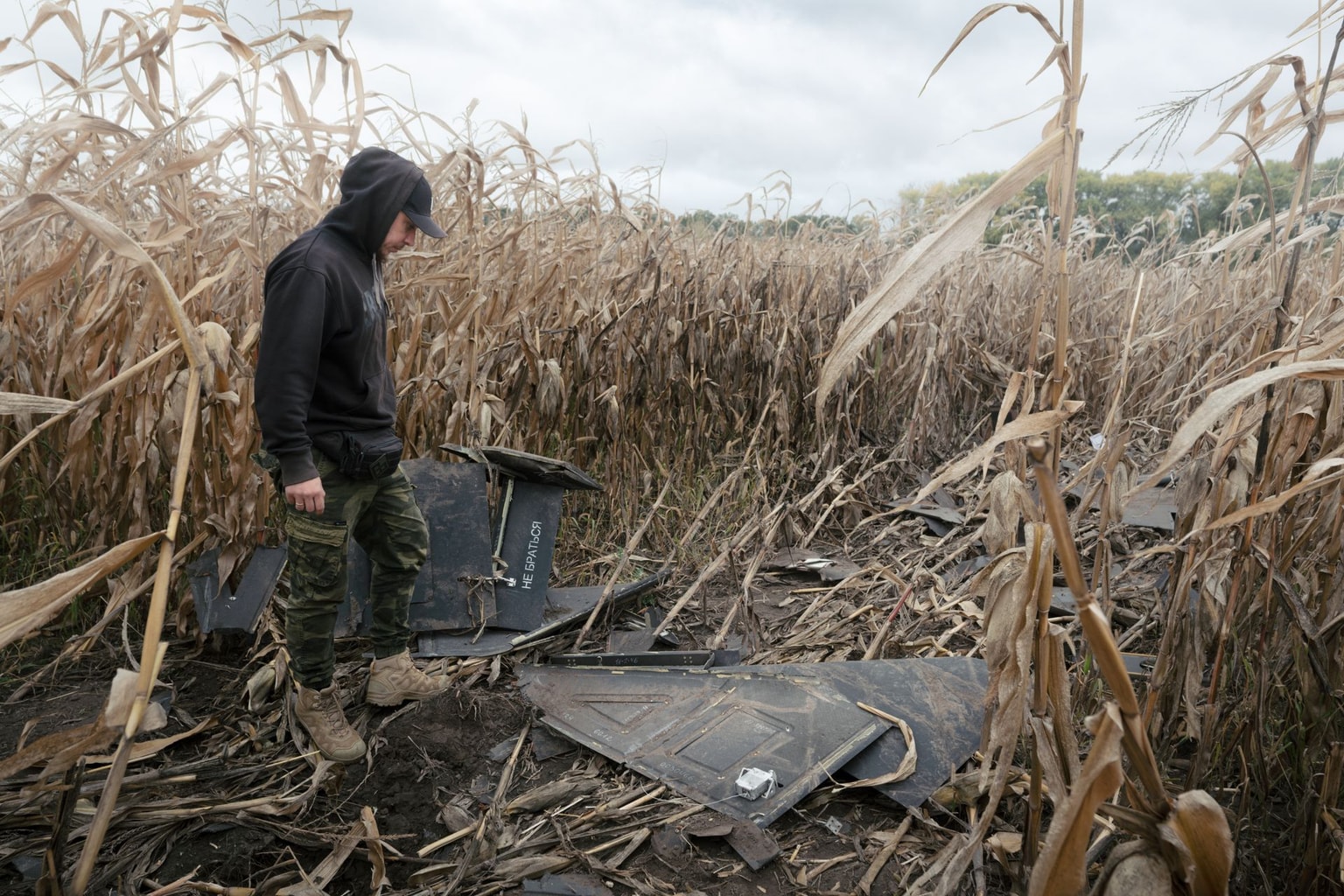
He mentioned that this is to some extent already happening, referencing Russia's May 24 attack on Ukraine, which included the use of a nuclear-capable Oreshnik anti-ballistic missile. According to Ursulskis, it was a sign that "they are becoming weaker and weaker on the battlefield."
"Oreshnik is a really great PR story in Putin's mind. It's not a great PR story in our mind," Ursulskis said.
"Ukraine is becoming stronger and stronger, and I have zero indication that any Oreshnik hits or any other hits will change that," he added.