Human Rights Watch condemns Russia's unlawful property seizures in occupied Ukraine
 on Google
Human Rights Watch called on Russia to end what it described as "illegal property seizures" in occupied Ukraine, along with pressure on residents to obtain Russian citizenship, nationality-based discrimination, and restrictions on Ukrainians' travel to Russian-occupied territories, in a report released May 26.
Russian President Vladimir Putin signed a law in December 2025 enabling the seizure of Ukrainian-owned housing in occupied territories by allowing occupation authorities to declare it "ownerless."
According to the report, displaced Ukrainians face major obstacles to reclaiming their property, including the need for a Russian passport and the dangers of traveling through Russia, as it is nearly impossible to return to the occupied territories from Ukrainian-controlled areas.
"On the one hand, authorities say owners must appear within 30 days to prove ownership. But no one gets through the filtration process," a 75-year-old displaced resident from Sievierodonetsk, Luhansk Oblast, told Human Rights Watch.
The report also said that over 8,000 court cases regarding property seizures were filed from March 2024 to January 2026 across 25 courts in occupied territories, though the actual number could be significantly higher.
"Court records show consistent disregard of evidence of ownership and efforts by owners to assert their rights," the report said.
The report added that as an occupying power, Russia must respect the laws and institutions of the occupied territory and protect civilians. Russia is also responsible violations of international human rights law in areas under its control, including denying Ukrainians access to their homes and discriminating against Ukrainian civilians.
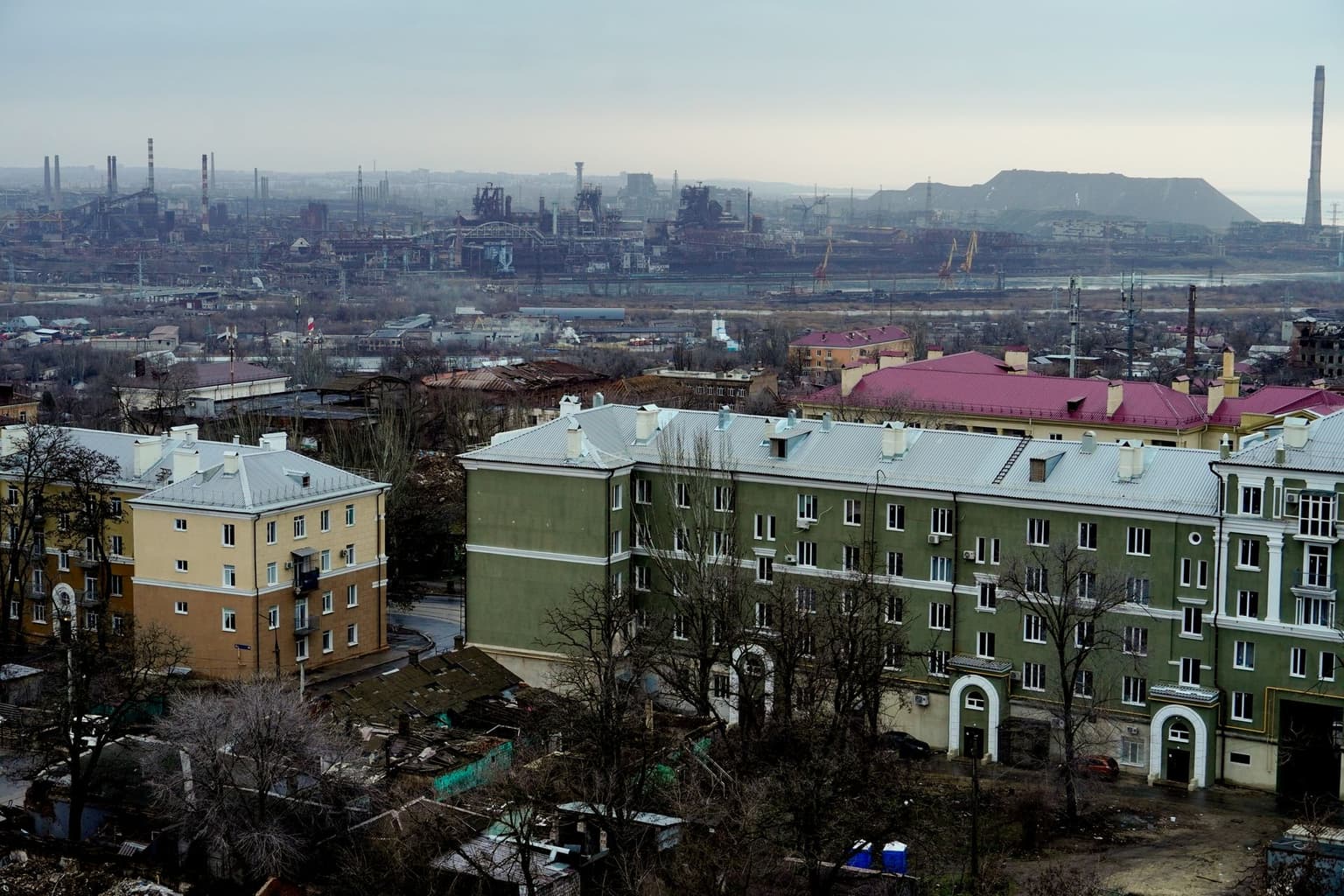
Russia began evictions from apartments deemed "ownerless" in the Russian-occupied city of Mariupol in April of this year, Petro Andriushchenko, former Mariupol mayoral advisor and head of the Center for the Study of Occupation, said on April 28.
In many cases, the Ukrainian owners of such properties either fled or were killed during Russia's full-scale invasion.
According to Andriushchenko, Russian-controlled city authorities plan to put most of Mariupol's apartments up for sale or allocate them as staff housing for public-sector employees by June 1.
On March 11, Ukraine's National Resistance Center reported that occupation authorities in Mariupol were disconnecting apartments from utilities as part of a process to identify vacant housing and confiscate Ukrainian-owned properties.