Russia has enough resources to wage war through 2028, Ukraine's military intelligence says
 on Google
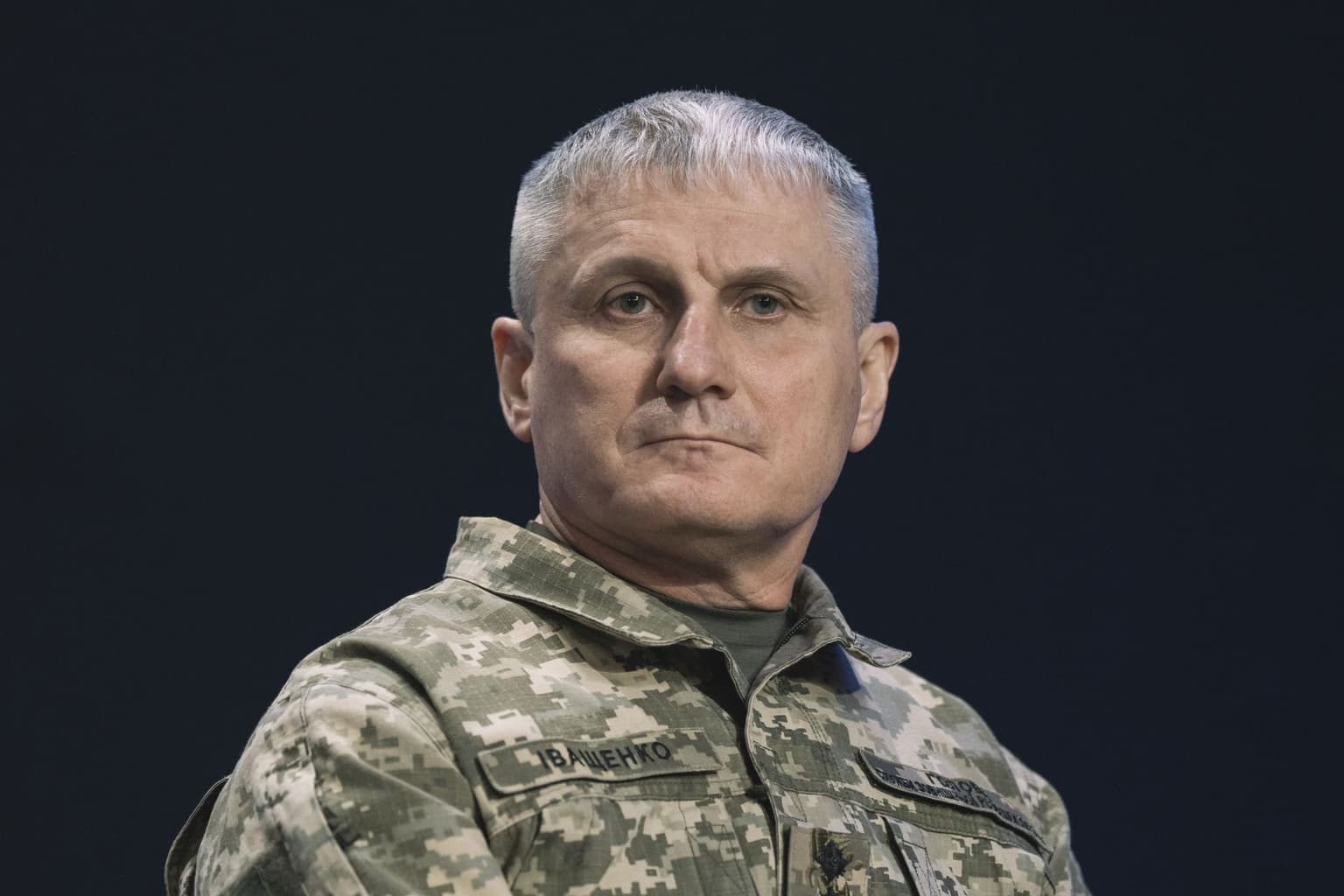
Russia is economically much weaker than it was at the start of the full-scale war, but likely has resources to fight for two more years, Ukrainian military intelligence (HUR) chief Oleh Ivashchenko told Ukrinform in an interview published on Sept. 7.
"The main problems facing the Russian economy are a shortage of labor resources, a growing federal budget deficit, and a deteriorating situation in the banking system," Ivashchenko told the Ukrainian news agency.
"At the same time, it still has enough resources to wage war against Ukraine. We do not rule out that these resources will last through 2027 and 2028."
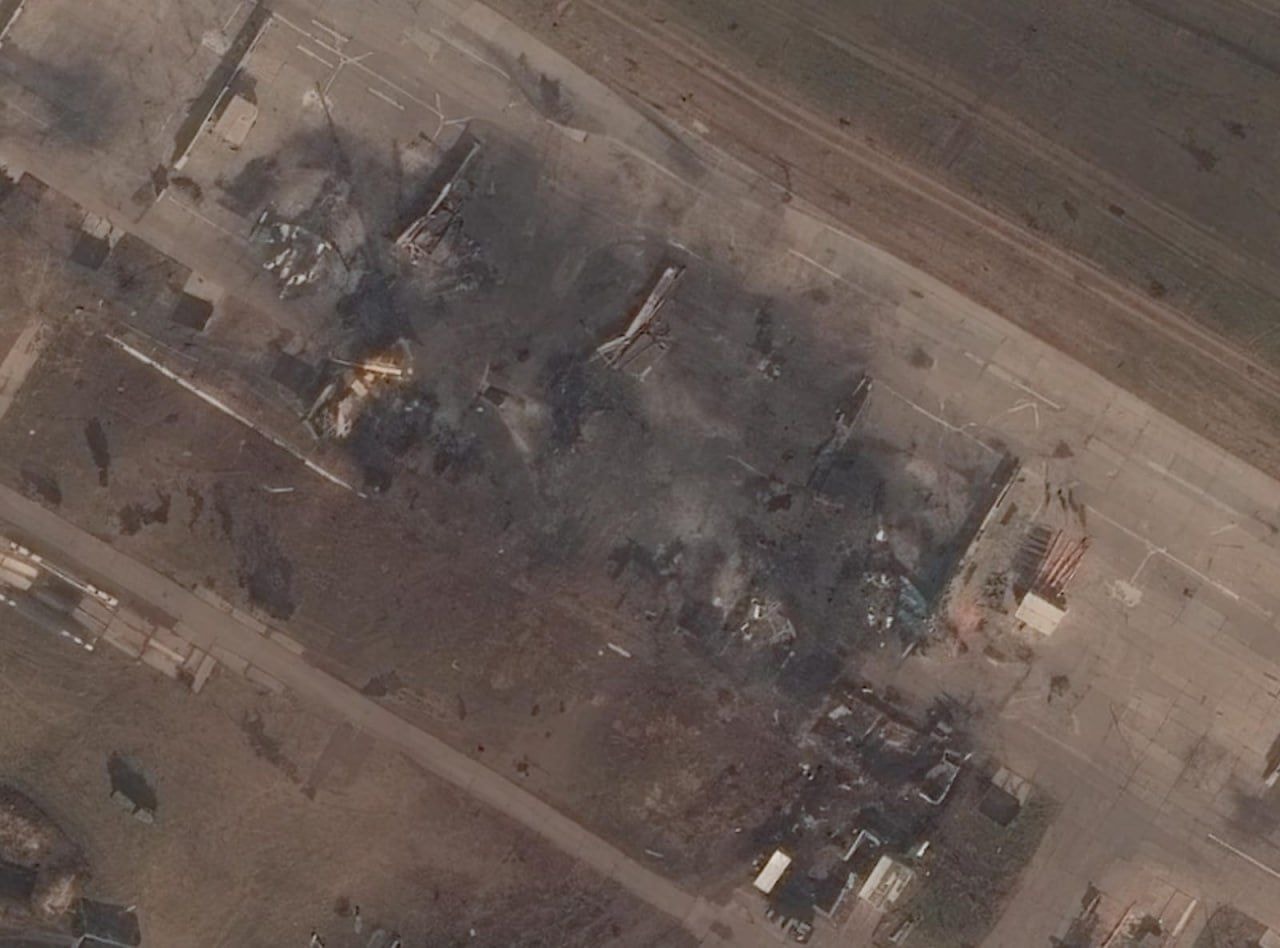
Kyiv's wartime strategy has increasingly centered around long-range drone strikes against Russian refineries, oil depots, factories, and tankers, aiming to undercut the Kremlin's revenues and increase economic pressure.
About 40% of Russia's oil-refining infrastructure has been disabled amid Ukrainian strikes, leading to fuel shortages and prompting the country to ban exports of diesel and gasoline.
Ukraine has recently expanded its list of targets in Russia, systematically striking warehouses of online retailers like Ozon and Wildberries.
At the same time, Russia has been facing fiscal difficulties, as record military spending has driven Russia's budget deficit, which soared by 40% in the first half of the year — even as Russian President Vladimir Putin claimed the situation is not "critical."
Ivashchenko said that Ukrainian strikes are contributing to this deficit, "which today stands at $82 billion."
The intelligence chief also underscored the impact of Ukrainian strikes against Russian logistics in the Black Sea, forcing Moscow to seek more expensive routes for its grain exports.
"Russia produces about 130 million tons of grain (per year)," Ivashchenko commented.
"About 80 million are for domestic needs; the rest goes to foreign markets. And this is blocked today," he said, adding that Kyiv views Russia's grain exports as a resource sustaining the Russian economy and therefore its war against Ukraine.