Most Magyar voters against Hungary aiding Ukraine, split on Kyiv's EU bid, poll shows
 on Google
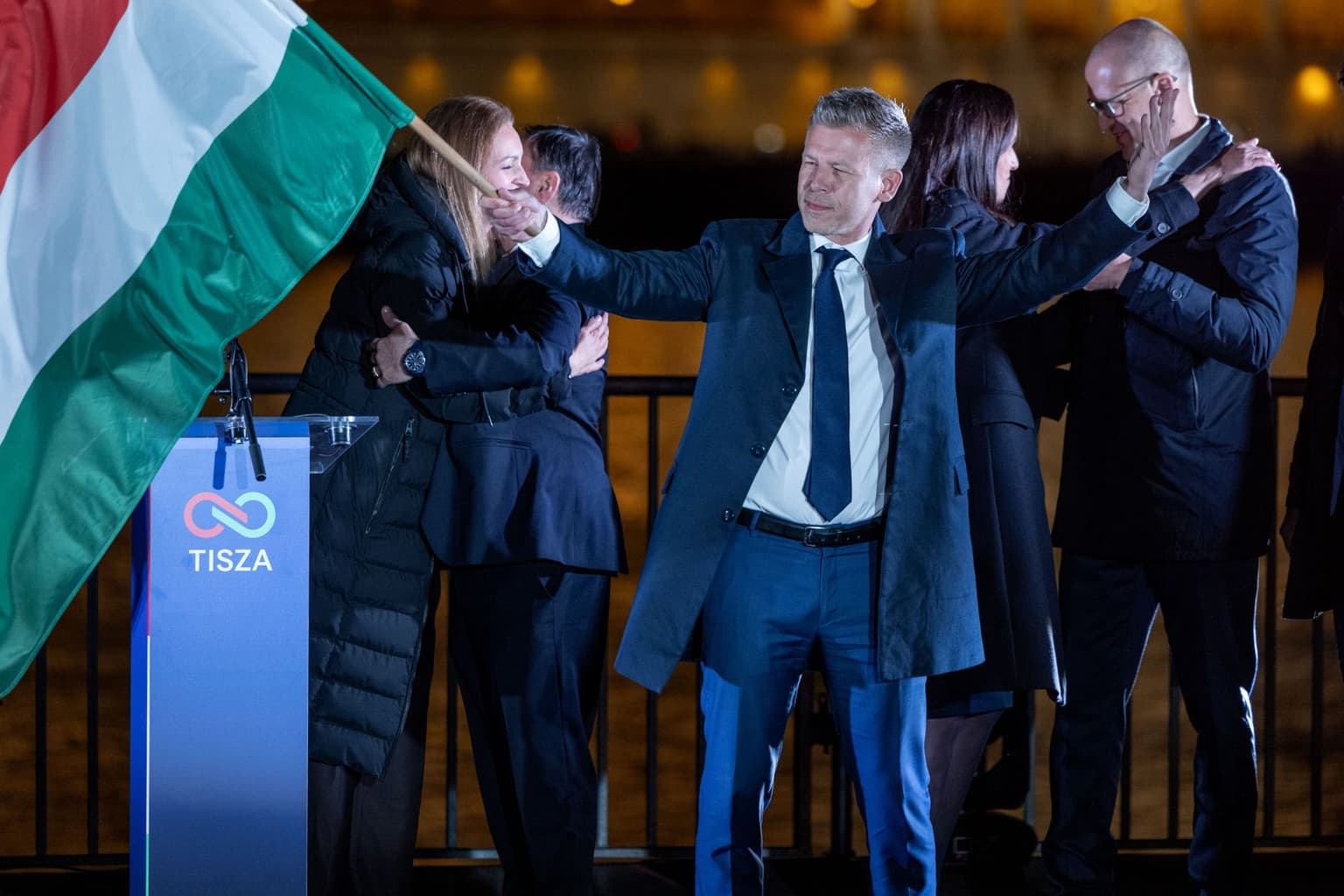
Voters of Peter Magyar's Tisza party are largely opposed to Hungary providing military or financial aid to Ukraine, according to a report published by the European Council on Foreign Relations on May 7.
Less than half of Tisza supporters favor restarting the EU's formal accession talks with Ukraine, which were blocked for months by Hungary's outgoing Prime Minister Viktor Orban, according to the report.
The findings, based on a survey conducted by Stratega Research and Mandate Research between April 17 and 27, underscore prevailing skepticism in Hungary toward Kyiv, even after Orban's Fidesz party was ousted in the April 12 parliamentary elections.
Opposition among Tisza supporters outweighs support for sending military aid by 57%, while financial aid also faces a net opposition of 14%
The negative sentiment is even stronger among Fidesz voters. Nationally, only 12% of Hungarians support providing military aid to Ukraine, while 24% support providing financial aid.
Orban, a pro-Kremlin leader who held power in Hungary for 16 years, has strictly opposed providing military or financial assistance to Ukraine amid the Russian aggression and has repeatedly obstructed aid from the EU.
The outgoing prime minister has also centered his unsuccessful election campaign around Ukraine, accusing Kyiv of interference and energy blackmail.
Magyar, Orban's pro-EU rival set to be sworn in as prime minister on May 9, confirmed his government would not change policy on military aid, ruling out sending arms to Ukraine.
However, Magyar is widely expected to take a more constructive approach toward relations with Kyiv and to end the Orban-era obstruction of EU aid initiatives.
According to the survey, most Hungarians expect Ukraine-Hungary relations to improve under Magyar, including 93% of Tisza voters.
About 41% of Tisza voters support unblocking Ukraine's EU accession talks, while 43% oppose it. Nationally, 27% of Hungarians support allowing Kyiv to resume formal talks, while 54% are against it.
Using Hungary's EU membership veto rights, Orban's government has long blocked the opening of Ukraine's negotiation clusters. Magyar's victory has fueled hopes in Brussels and Kyiv that the first cluster may be opened in the coming months.
Magyar has ruled out fast-tracking Ukraine's EU bid, saying the country must go through the full accession process. He also said Hungary would hold a referendum on Kyiv's entry after that process is complete.
Bloomberg reported on April 30 that Magyar wants to see more rights granted to Ukraine's Hungarian minority before greenlighting the formal negotiations.
Tisza voters are also split on the issue of Russian energy imports: some 38% wish the next Hungarian government to stop buying Russian energy, while 39% oppose the move.
The Tisza party has vowed to end Hungary's dependence on Russian oil and gas — which deepened significantly under Orban — by 2035, and to review the Russian-led Paks II nuclear power station project.