Kremlin interested in restoring dialogue with Europe, Peskov says after Moscow attack
 on Google
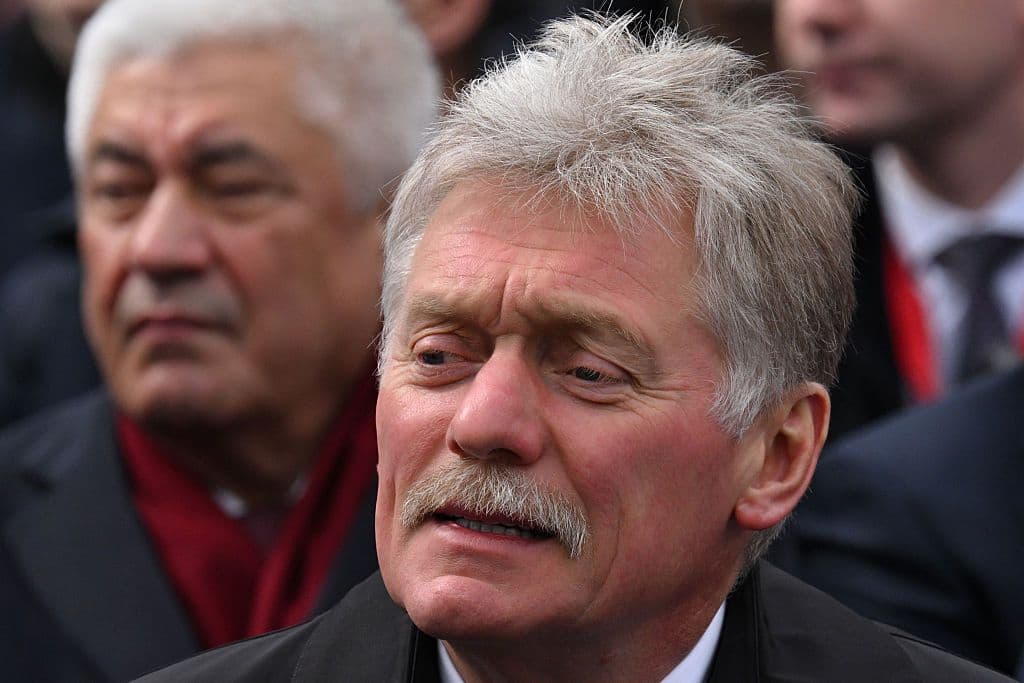
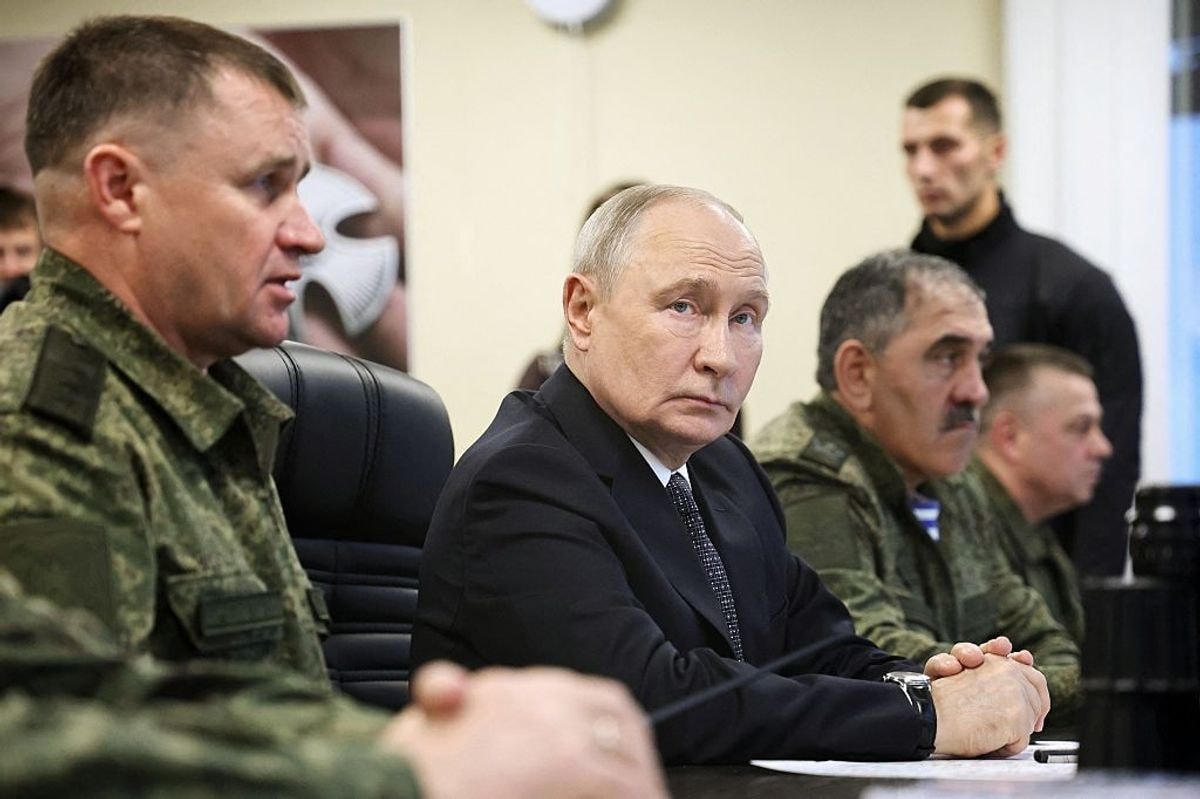
Kremlin spokesperson Dmitry Peskov said on May 17 that Moscow could restart dialogue with Europe over Russia's war in Ukraine, speaking to Russian propagandist Pavel Zarubin after a large-scale Ukrainian drone attack on the Moscow region.
The remarks came as European officials continue debating future engagement with Moscow amid growing uncertainty over the United States' efforts to end Russia's war against Ukraine.
"The active discussion of this topic — the shift toward understanding that at some point they will have to speak with the Russians — is good," Peskov said.
Peskov said the Kremlin is interesting in resuming communication and expressed hope that what he called a "practical approach" would eventually take shape.
"The Russian side will be ready for this," he said.
At the same time, Peskov criticized EU foreign policy chief Kaja Kallas, Estonia's former prime minister, suggesting she would not be suitable for future negotiations with Moscow.
"It would not be in Kaja Kallas’s interests to act as a negotiator. It would not be easy for her. If you remember, (Russian President Vladimir) Putin said this could generally be anyone who has not managed to say too many bad things," Peskov said.
The comments came a day after Estonian Foreign Minister Margus Tsahkna urged allies not to engage in negotiations with Moscow, warning that Russia could use talks to buy time.
"Europeans should not miss the moment" to weaken Russia through additional sanctions and pressure, Tsahkna said during a security conference in Tallinn on May 16.
His remarks followed comments by Finnish President Alexander Stubb on May 14, who said European leaders should move toward direct dialogue with Russia, arguing that U.S. policy no longer fully aligns with European interests.
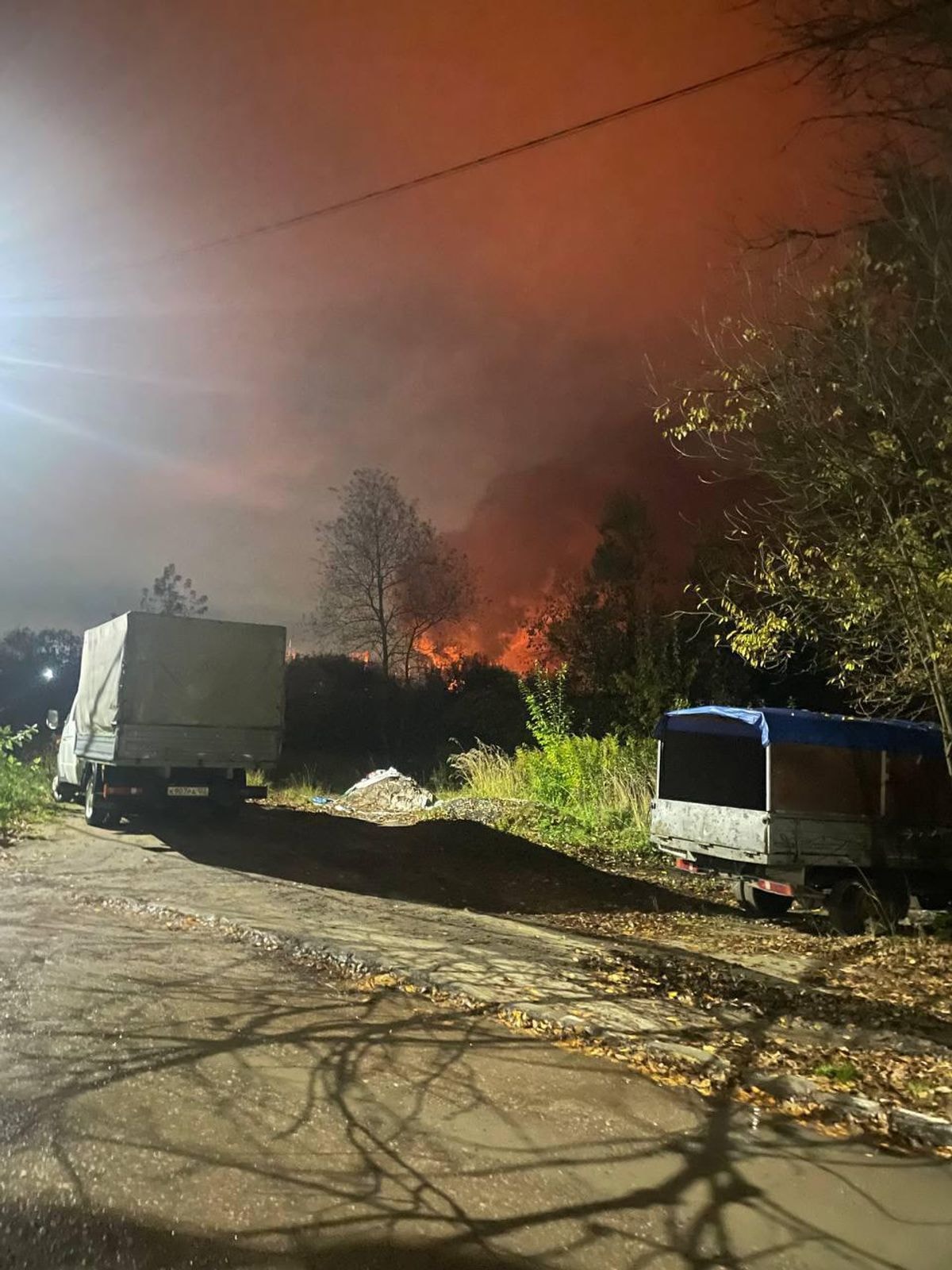
Earlier on May 17, Ukraine carried out a large-scale attack targeting military-industrial and fuel infrastructure in Moscow Oblast and occupied Crimea. Russia's Defense Ministry claimed that its air defenses intercepted 1,054 Ukrainian drones, eight guided aerial bombs, and two newly developed Ukrainian missiles.