Zelensky's government reshuffle was even more chaotic than you think
 on Google
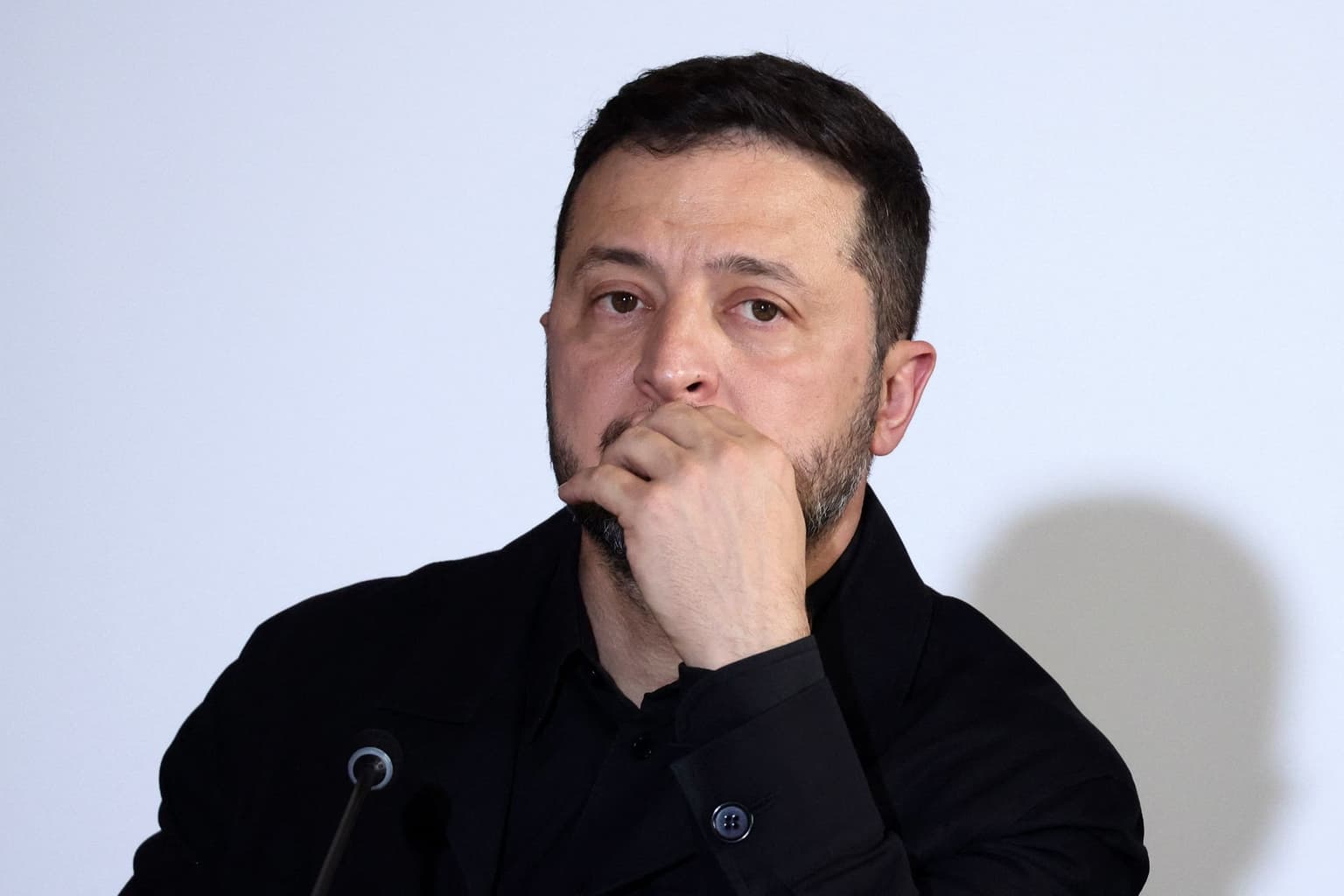
Two of Ukraine's most important wartime ministries had been thrown into legal limbo following President Volodymyr Zelensky's government reshuffle, leaving the country without confirmed political leadership at both the Foreign and Defense ministries.
After parliament approved the new Cabinet headed by Prime Minister Serhii Koretskyi on July 16, both Foreign Minister Andrii Sybiha and Defense Minister Mykhailo Fedorov automatically lost their posts under Ukrainian law.
The usual procedure would see appointments follow immediately. Zelensky had been expected to nominate Sybiha for foreign minister and Interior Minister Ihor Klymenko for defense minister.
Instead, amid the backlash over the dismissal of Defense Minister Mykhailo Fedorov, the positions remained vacant as parliament waited for Zelensky to formally submit new candidates — something the president did not do.
The result was an unusual situation: at a time when Ukraine continues to fight Russia's full-scale war, neither of the government bodies responsible for diplomacy nor defense had a confirmed leader.
The situation became even more striking at the Foreign Ministry.
On July 16, Sybiha was still carrying out his duties, meeting Turkish Foreign Minister Hakan Fidan in Kyiv. Soon after the meeting ended, parliament approved the new government, and Sybiha had officially ceased to be the foreign minister.

The ministry itself appeared unsure who had taken over. Since the position of first deputy foreign minister has remained vacant, there was no obvious official to assume day-to-day leadership.
The Kyiv Independent asked Foreign Ministry spokesperson Heorhii Tykhyi, who was leading the ministry following Sybiha's dismissal, but received no response.
The Defense Ministry found itself in a similar position, though for different legal reasons.
Zelensky said on July 16 that he had appointed acting Security Service of Ukraine (SBU) Chief Yevhen Khmara as acting defense minister. Legally, however, the president does not have the authority to appoint an acting defense minister.
Under Ukrainian law, that responsibility belongs to the Cabinet of Ministers.
A day later, Zelensky appeared to acknowledge the issue.
On July 17, he said he had discussed with Koretskyi who should serve as acting heads of both the Defense and Foreign ministries, effectively confirming that his previous statement announcing Khmara's appointment had been premature.
Until the Cabinet formally made a decision, the Defense Ministry was legally headed by First Deputy Defense Minister Oleksii Viskub, the previous minister's deputy.
Only on the evening of July 17 did the Cabinet of Ministers appoint Khmara and Sybiha as acting heads of the two ministries, after a day of uncertainty.
The controversy came against the backdrop of Zelensky's broader government reshuffle, whose purpose remains unexplained.
Lawmakers who spoke with the Kyiv Independent said they were largely unfazed by the replacement of former Prime Minister Yuliia Svyrydenko with Koretskyi.
Zelensky has offered little explanation for the changes beyond saying on July 12 that Ukraine was "changing its political strategy."
To appoint actual ministers for both foreign and defense, the president must submit candidates for the parliament's approval. The parliament, however, had paused it's last session before a planned recess that is scheduled to take place until Aug. 18, with no information on whether lawmakers are expected to meet during the planned break.