Hungary calls Russia 'threat to Europe and global order' in UN guidelines document
 on Google
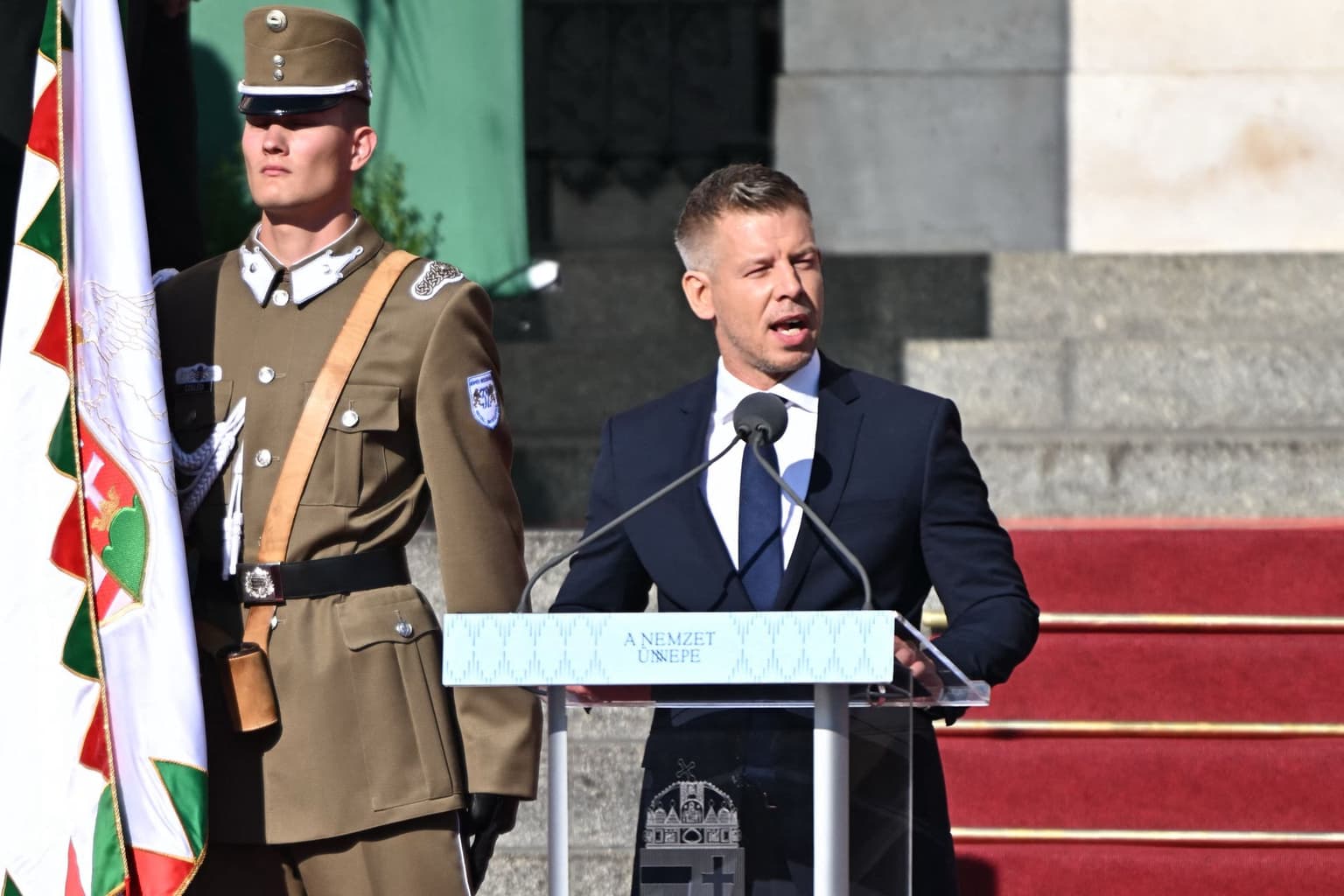
Hungary has described Russia as a "threat to Europe and the global order" in guidelines for its delegation attending the UN General Assembly next month, Der Spiegel reported on Aug. 26.
The move marks a dramatic shift in Hungary's stance since Prime Minister Peter Magyar defeated the Russia-friendly Viktor Orban in elections earlier this year.
"Hungary condemns Russian military aggression and fully supports Ukraine's sovereignty and territorial integrity within its internationally recognized borders," the document states.
"Russia's behavior poses a threat to Hungary, Europe, and the global order," it adds.
Hungary's government has taken a more pro-European position than its predecessor. Orban was widely regarded as one of the most Russia-friendly leaders in Europe.
In recent weeks, Budapest and Kyiv have taken conciliatory steps toward one another.
On Aug. 19, Foreign Minister Andrii Sybiha praised Hungary's closure of a money laundering investigation into a Ukrainian bank convoy from earlier in the spring, adding that "betting on anti-Ukrainian rhetoric for domestic gain yields nothing but political defeat and shame."
Hungarian authorities had seized two bank vehicles in March traveling from Austria to Ukraine that were transporting a shipment of cash and gold worth about $82 million, claiming they were investigating a money laundering scheme.
Earlier, Hungary’s new government officially overturned a nine-month ban on Ukrainian media imposed by the former Viktor Orban administration, as the country sought to mend ties with Ukraine, Hungarian Social Relations and Culture Minister Zoltan Tarr wrote on Facebook on June 19.
After an agreement between Kyiv and Budapest cleared a key hurdle in June, all 27 EU member states gave the green light to open the first cluster of accession negotiations with Ukraine and Moldova.