Serbia sees no Ukraine trace in alleged gas sabotage plot after Hungary hints at Kyiv's involvement
 on Google

Editor's note: The story has been updated with additional details.
Explosives have been found near a gas pipeline in Serbia that transports Russian natural gas to Hungary, leaders from the two countries said on April 5.
"Serbian authorities have found a powerful explosive device, along with the equipment needed to detonate it, at critical gas infrastructure linking Serbia and Hungary," Hungarian Prime Minister Viktor Orban said on April 5 in a post on X.
The Serbian military reported discovering an explosive device weighing around 4 kilograms (9 pounds) near Kanjiza, a town south of the Serbian-Hungarian border.
Hungary's Foreign Minister Peter Szijjarto hinted at a possible Ukrainian involvement, saying the alleged plot "fits into the pattern" of previous Ukrainian attacks on Russian energy infrastructure and the halt of oil transit via the Druzhba pipeline.
Kyiv has denied any involvement. "We categorically reject attempts to falsely link Ukraine to the incident… Ukraine has nothing to do with this," Ukrainian Foreign Ministry spokesperson Heorhii Tykhyi said.
"Most probably, a Russian false-flag operation as part of Moscow's heavy interference in Hungarian elections," he added.
Djuro Jovanic, head of Serbia's Military Security Agency (VBA), dismissed speculations that Serbia is seeking to pin the blame on Ukraine on behalf of a "third party."
"Disinformation suggests that the Serbian Army and its members would act on behalf of some other or third party by finding Ukrainian explosives and blaming Ukraine for it. That is not true," the Serbian official said.
According to Jovanic, Belgrade possessed "information that an individual belonging to a group of migrants, who had received military training, was planning to carry out sabotage against gas infrastructure."
The official noted that while the explosives were U.S.-made, their origin does not indicate who carried out the attack or who commissioned it. The culprit has yet to be detained.

Kremlin spokesperson Dmitry Peskov said it is "highly likely" that evidence will emerge linking Ukraine to the plot.
Moscow has previously accused Kyiv of plotting sabotage operations against Russian gas export infrastructure, without providing evidence.
Analysts and officials who previously spoke to the Kyiv Independent framed such allegations as part of an effort to disrupt peace talks.
The Turkstream pipeline transports Russian gas across the Black Sea into Turkey, from where it travels through the Balkans into Hungary and Central Europe.
The relationship between Kyiv and Budapest is at an all-time low amid a deepening spat over Russian oil transit through the Soviet-era Druzhba pipeline, while Orban makes opposition to Ukraine the centerpiece of his campaign strategy in elections scheduled for April 12.
The Druzhba oil pipeline has been offline since late January due to Russian air strikes, according to Ukraine. Hungary and Slovakia have accused Kyiv of slowwalking repairs.
Orban's Fidesz party is trailing in the polls, with next week's national elections threatening to end his 16-year grip on power.
Peter Magyar, the leader of the opposition Tisza party, said "multiple sources" indicated Orban may be preparing a false flag attack to disrupt elections, potentially with Serbian and Russian involvement.
"Many people have suggested that something might 'accidentally' happen in Serbia, possibly involving a gas pipeline, around Easter, one week before the Hungarian elections," Magyar said on X.
The opposition leader urged the Hungarian prime minister to stop "spreading panic" and to inform the public and the opposition about the developments.
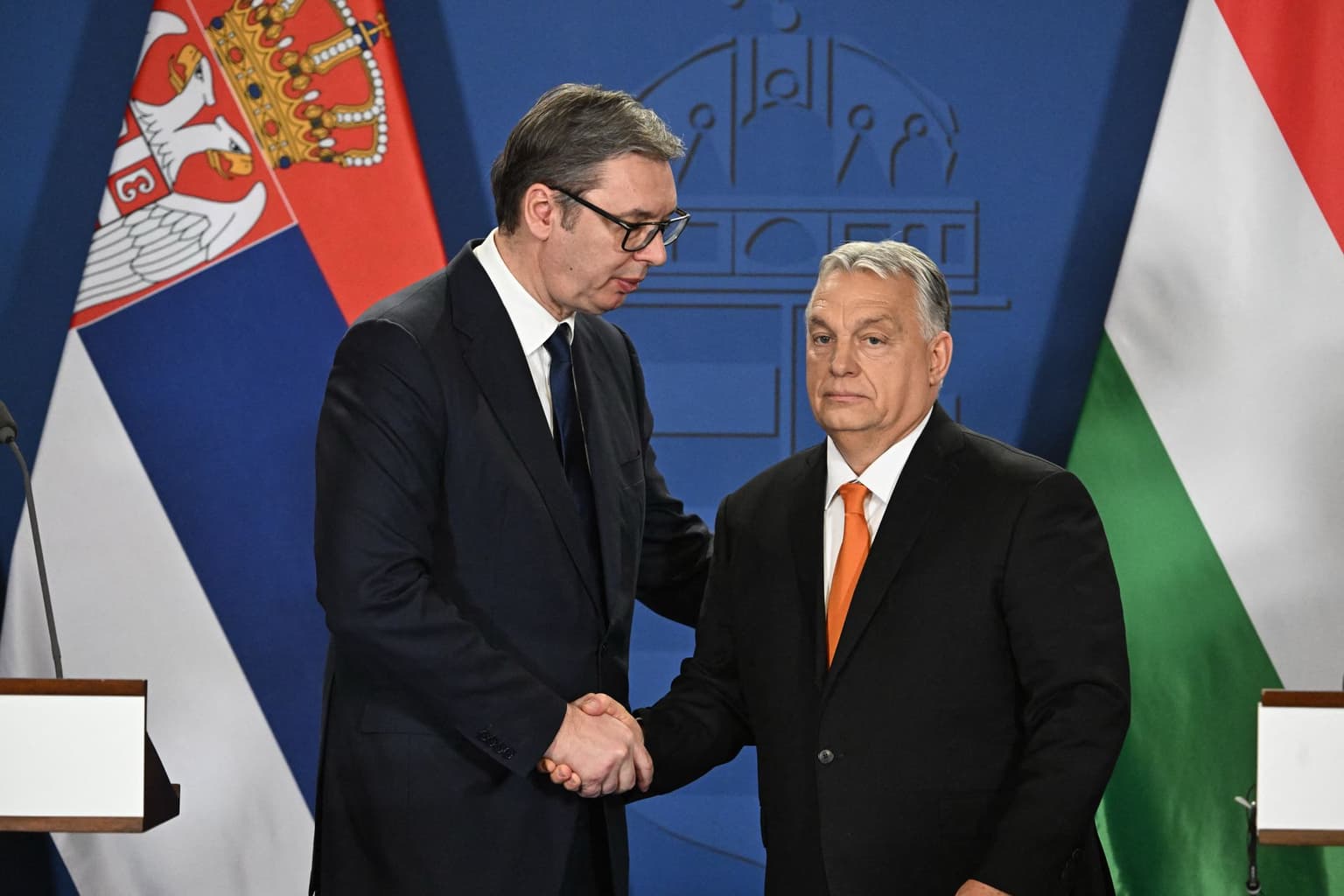
Orban said on April 5 that he spoke by phone with Serbian President Aleksandar Vucic, and that an investigation was underway. Orban also said that he had called an extraordinary defense council this afternoon.
"We will deal mercilessly with everyone who threatens Serbia's vital infrastructure," Vucic wrote in a Facebook post on April 5.
Hungary and Serbia both maintain close ties with Moscow.
It was earlier reported that Russia is sending social media specialists to Hungary to meddle in the April elections in favor of Hungarian Prime Minister Viktor Orban.