EU unveils new NATO-like mechanism against Russian hybrid threat, offers little new for Ukraine
 on Google
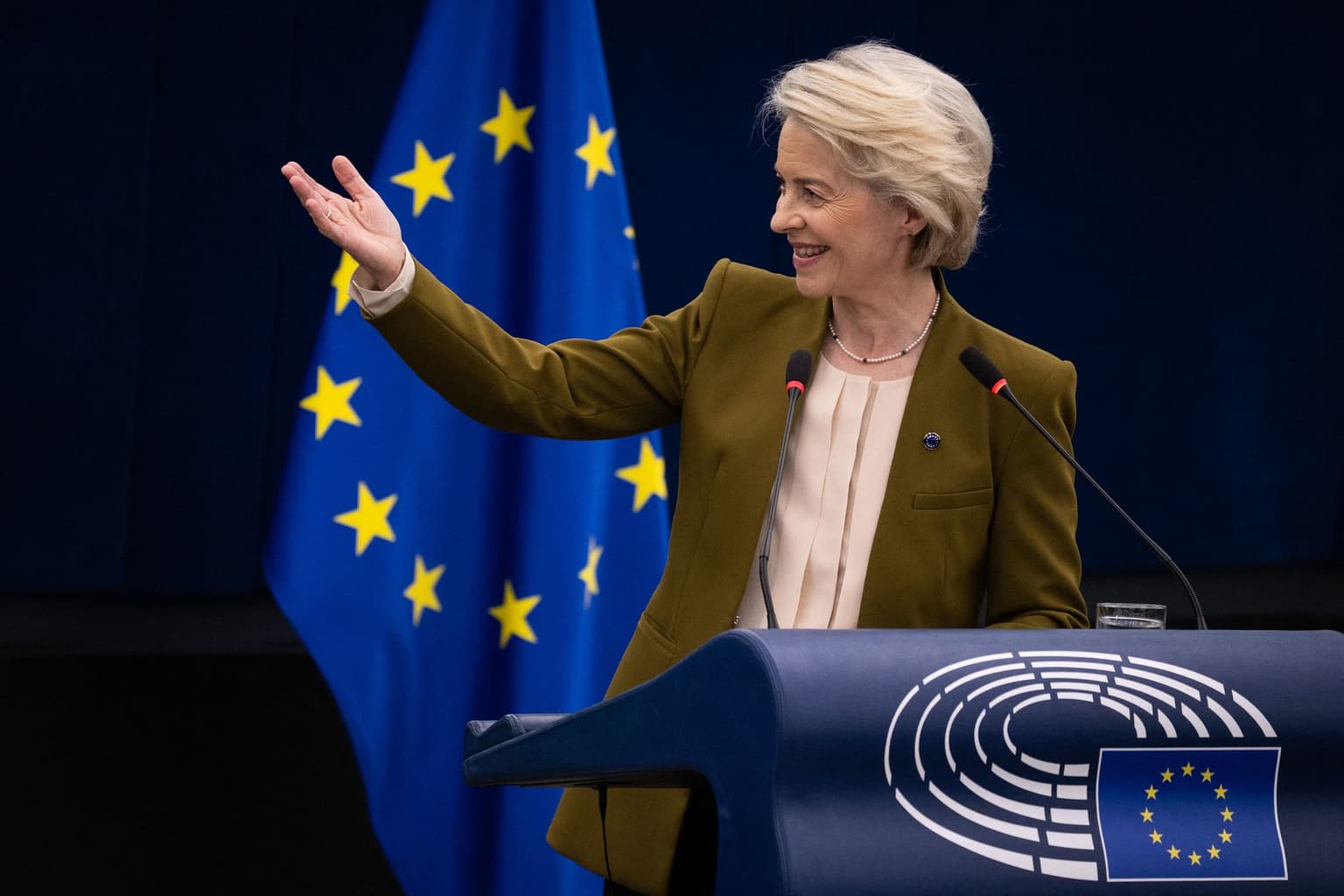
The EU will develop its own version of NATO's Article 4 mechanism to counter the increasing number of Russian hybrid attacks on Europe, European Commission President Ursula von der Leyen announced during her annual State of the Union speech on Sept. 15.
"Threats are mounting on our soil... hybrid threats facing Europe are less and less hybrid and less and less threats," von der Leyen said, describing Russia's provocations against the continent.
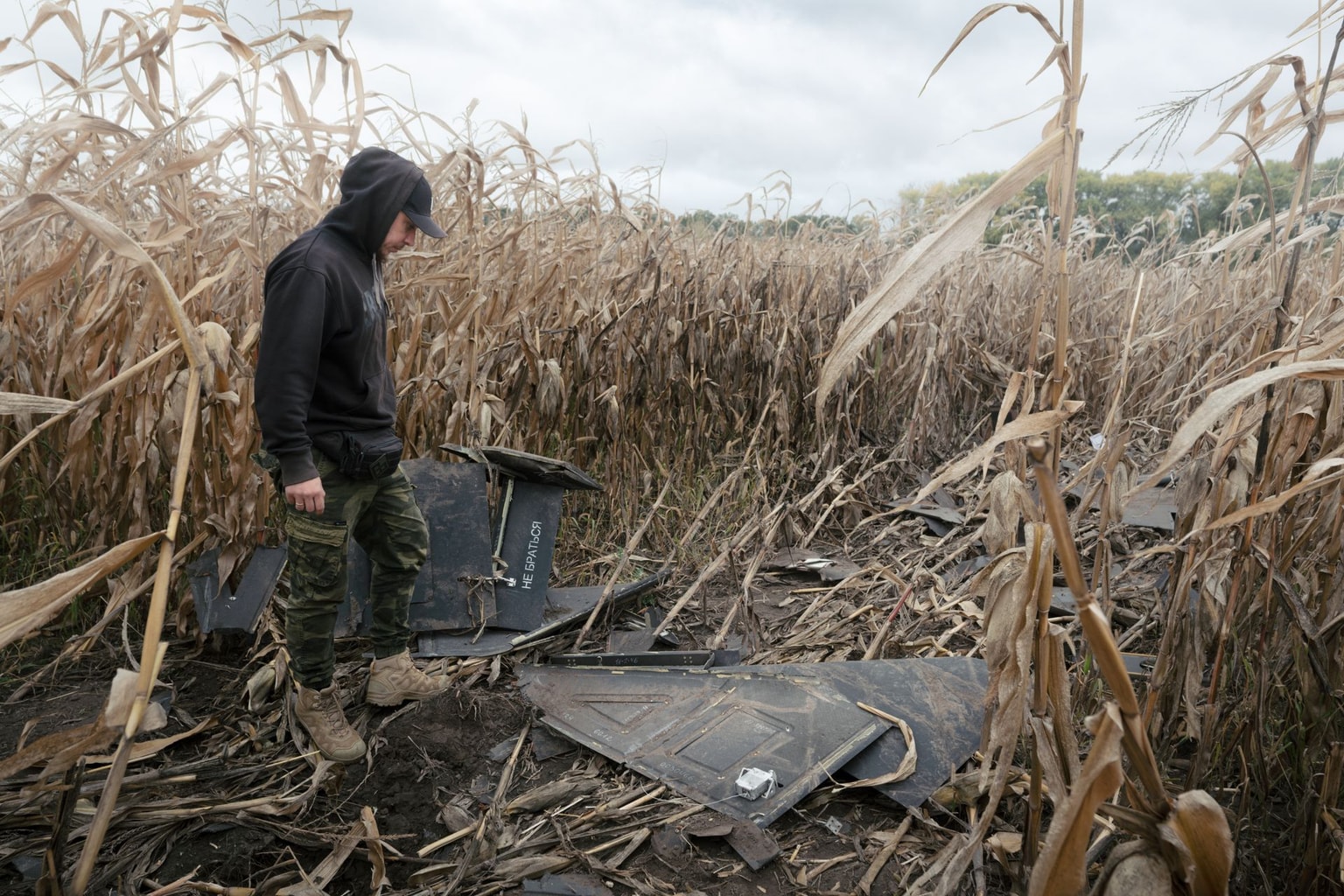
"Just this week, we saw it in Lithuania. The attempted drone attack in Leipzig is the latest proof," she said.
"We need to be clear about what this was. An attack using military-grade material, carried out by Russian operatives on European soil."
Von der Leyen revealed that in response, she and the EU's top diplomat, Kaja Kallas, are working in tandem on a new European security strategy, expected sometime in the fall.
The European Commission chief teased in her speech that it will include a "counter-hybrid playbook" and "a mechanism to flank NATO's Article 4" against incidents which "fall below armed aggression but clearly threaten our security."
The NATO Treaty contains two articles that can be invoked when its member countries are threatened: Articles 4 and 5.
Article 5 is better known, as it is the one that calls on NATO countries to collectively help defend any member that comes under attack, using the means they see fit. It has only ever been activated once, by the U.S. in 2001 after the 9/11 terrorist attacks.
Article 4 has been activated multiple times in response to Russian provocations in recent years. It requires NATO countries to come together to discuss the threat and appropriate countermeasures.
"I believe it is time for Europe's own Article 4 — an Emergency Security Protocol," von der Leyen said.
She also announced a "European Instrument for Strategic Enablers — fully aligned with NATO."
How exactly that instrument will look is unclear, but von der Leyen pitched it as a way to scale up "the critical support assets and force multipliers that any credible defense relies on," such as air defense, strategic transport, and space and cyber security.
Rounding out the announcements on defense, von der Leyen said the bloc must go further and develop the concept of a European Security Council that includes non-EU countries such as Ukraine, the U.K., Norway, and Canada.
That idea, like the work on strategic enablers, is not altogether new, having previously been pitched by the EU's Defense Commissioner, Andrius Kubilius, but von der Leyen has moved it up the priority list.
"The urgency is clear, and the principle is simple: Europe's security is indivisible."
Not much new for Ukraine
Compared with previous years, Ukraine was featured less prominently, and von der Leyen introduced very little that was entirely new, though it was the only part of the speech in which she chose to use German.
Her comments included several of the topics expected to feature, including the EU authorizing Ukraine to purchase U.S. Patriot missiles with the money from the EU's support loan, and a brief mention that the bloc would "provide humanitarian aid — and harden Ukraine's energy and heating supply."
However, she mentioned a new defense industry program for joint projects with Ukrainian companies, which would use up "remaining SAFE funds."
The SAFE instrument consists of 150 billion euros of loans to EU countries to beef up their defense capacity. Not all of the money has been allocated; roughly 10 billion euros are still expected to be available.
Von der Leyen also said for those countries most advanced in their EU membership process, "we will soon propose roadmaps."
The EU publishes reports on all its candidate countries, assessing their progress against the membership criteria once per year. The next edition of those reports is expected in October 2026.
Ukraine has been a candidate member since 2022 and has so far opened two of the six negotiation clusters — lists of reforms that each country must undertake on the path toward accession.