EU gives final green light to 6 billion euros in defense aid for Ukraine, Patriot missiles purchase
 on Google
BRUSSELS, Belgium — The European Commission approved a 6.1 billion euros ($7.1 billion) tranche of defense aid for Ukraine on Sept. 11, along with several requests for Ukraine to source weapons from outside the bloc, namely Patriot missiles.
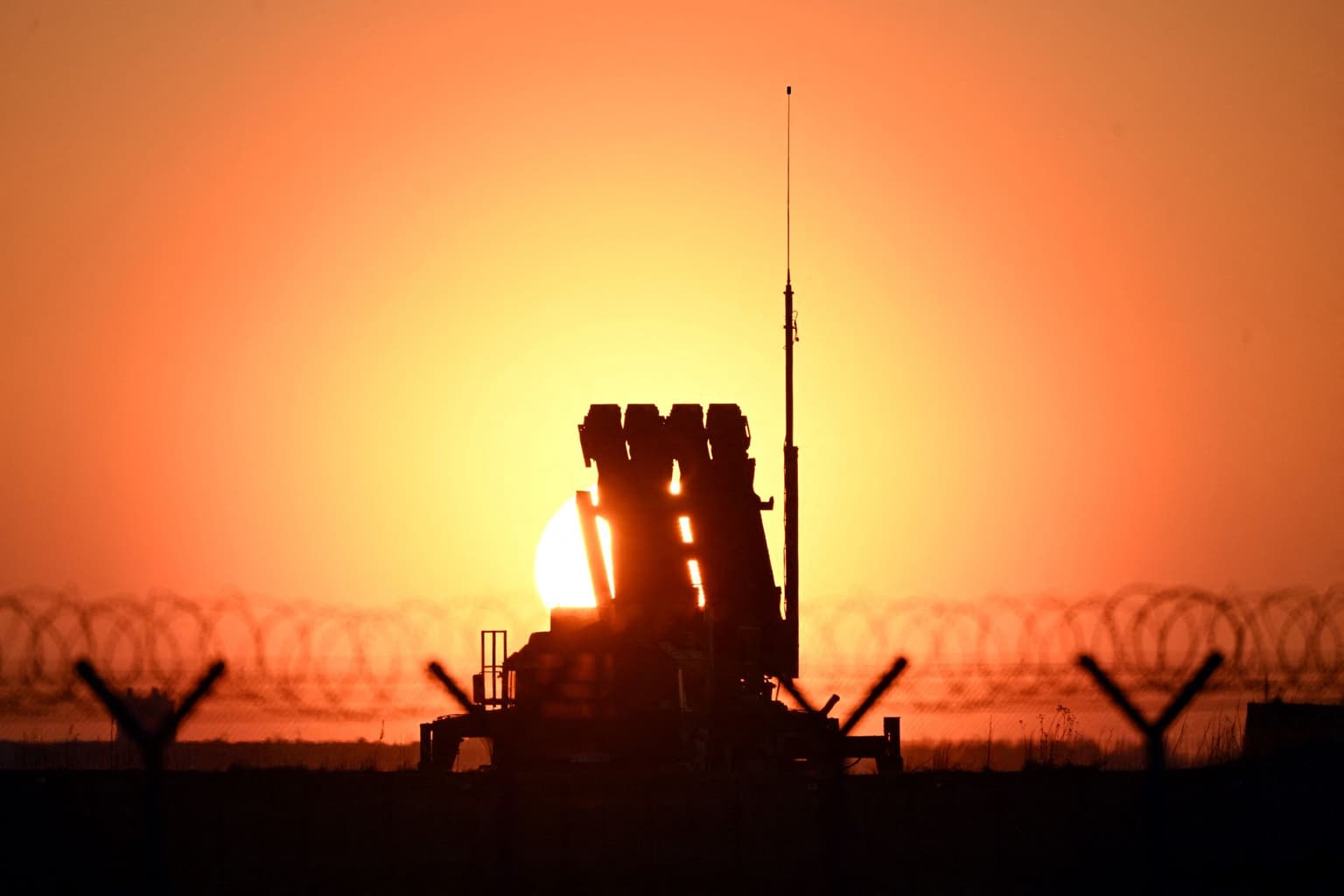
The approval allows Ukraine to use funds from the EU's 90-billion-euro ($104-billion) support loan to purchase U.S.-made PAC-3 Patriot interceptors, one of the few weapons capable of intercepting Russian ballistic missiles.
This, however, does not mean an immediate delivery of the missiles. There is a global shortage of Patriot interceptors, while Ukraine is bracing for a new wave of Russian strikes against its energy grid in winter.
EU member states voiced support for the new defense tranche and the Patriot purchase earlier this week, but the steps still needed final approval from the European Commission.
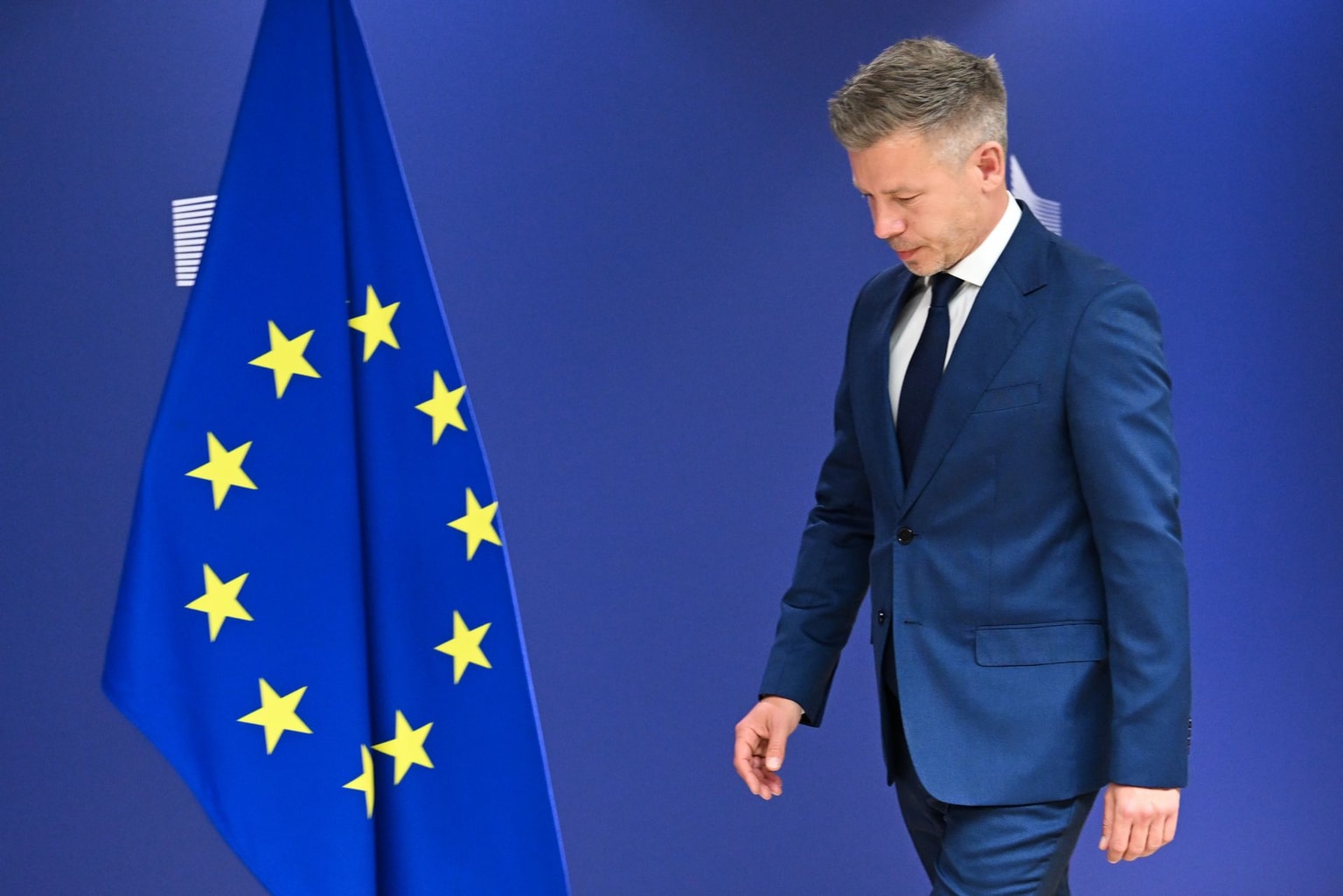
EU Defense Commissioner Andrius Kubilius confirmed at a press conference in Brussels on Sept. 11 that the EU's executive arm has signed off on the measures.
With the latest package, the EU has approved all of the 28.3 billion euros ($32.9 billion) earmarked for Ukraine's defense under the support loan this year.
So far, 8.4 billion euros ($9.7 billion) of that defense money has been disbursed, a process that can only occur once Ukraine provides receipts for cross-checking. Kubilius said another 4.7 billion euros ($5.5 billion) is now being processed.
In April, EU countries approved the 90 billion euro support loan for Ukraine, intended to cover two-thirds of Kyiv's defense and budgetary needs in 2026 and 2027, to be delivered in tranches.
The loan also includes requirements to buy weapons from the EU and Ukraine. Any item where more than 35% of the value of its components comes from third countries requires explicit approval.
Kubilius mentioned that five such derogations had been granted: three for Ukrainian companies to source drone components, and two for U.S components, including the PAC-3 missile interceptors.
Justifying the decision to grant the exemptions, Kubilius said: "Ukraine's military edge depends on the rapid availability of critical products in the required quantities and within very short time frames."
The commissioner did not explain which countries would benefit from the exemption for drone components, but an earlier such exemption, made in April, allowed Kyiv to source components from China.