Belarus unable to secure visas for Trump's Board of Peace meeting
 on Google
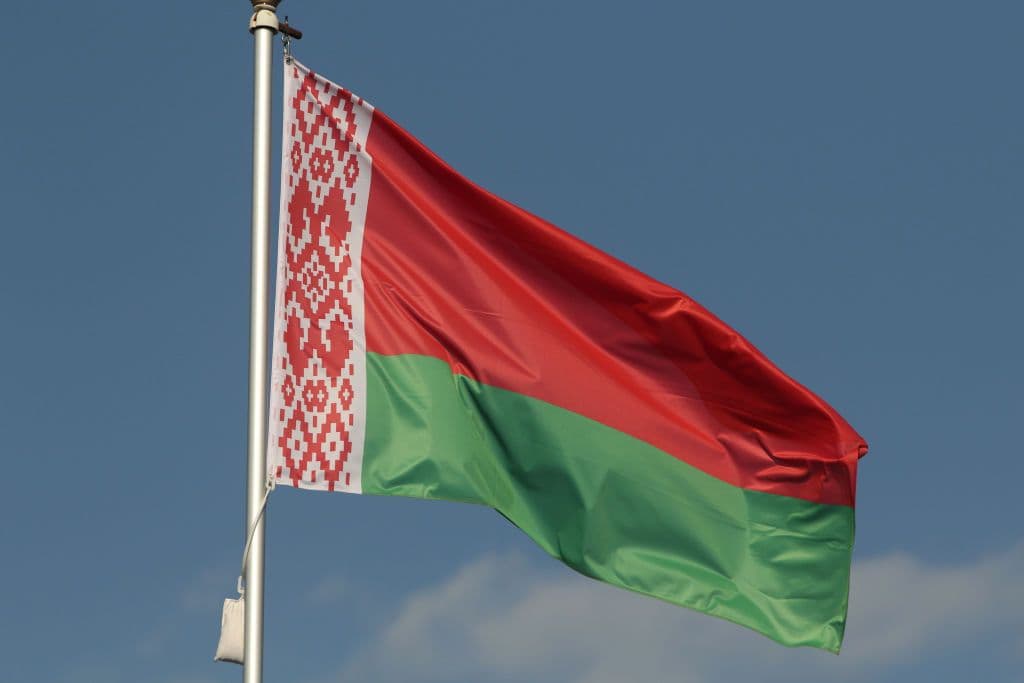
Belarusian officials said Feb. 19 that they were unable to obtain visas to travel to the United States for the inaugural meeting of the Board of Peace, despite receiving an official invitation to attend.
"Visas for our delegation to the Peace Council meeting were not issued, despite all documents being submitted on time and procedures followed," Belarus' Ministry of Foreign Affairs wrote on social media.
Foreign Minister Maxim Ryzhenkov had been slated to attend, though the invitation was formally addressed to Belarusian leader Alexander Lukashenko.
"If even basic formalities aren't respected, what 'peace' are we talking about?" the ministry wrote.
Established by U.S. President Donald Trump, the Board of Peace was initially conceived as a U.N.-approved mechanism tasked with implementing the Gaza peace plan. The initiative has since been described as seeking a broader mandate.
Trump is expected to serve as the board's inaugural — and potentially only — chairman. A proposed $1 billion fee for a permanent seat has led some observers to characterize the body as the U.S. president's personal version of the United Nations, an institution he has frequently criticized.
The board could conceivably, at the chairman's discretion and with the consent of the states concerned, address other conflicts worldwide, including Russia's war against Ukraine.
Despite its invitation to the Board of Peace, Belarus has been one of Russia's closest allies throughout the full-scale invasion of Ukraine. Minsk has supported Russian troop movements, missile launches and drone attacks, and serves as a possible launch site for Russia's nuclear-capable missiles.