Another round of peace-talk masquerade awaits Ukraine
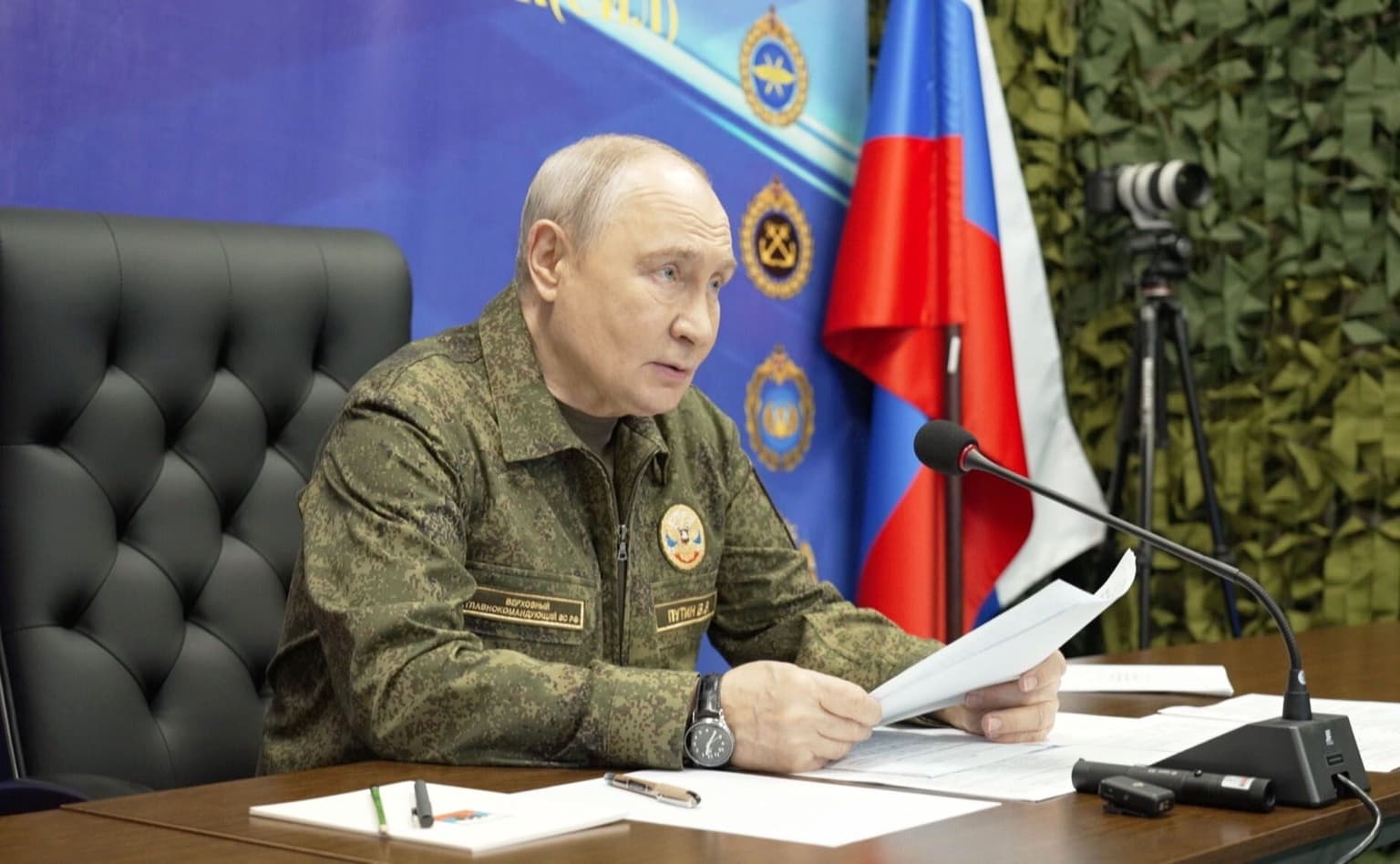
Russian President Vladimir Putin visits a command center of the Joint Group of Forces of the Russian Armed Forces and holds a meeting with Chief of the General Staff and unit commanders in an unnamed location, Russia on Oct. 15, 2026. (Kremlin Press Office/Anadolu via Getty Images)
 on Google

Megi Benia
Founder and Director of the Strategic Security Initiative
The planned resumption of trilateral negotiations between Ukraine, Russia and the United States in Abu Dhabi in early November is already being presented in several Western capitals as evidence that diplomacy has regained its momentum, but a return to the negotiating table should not be confused with genuine progress toward peace.
Unless the process confronts the fundamental obstacles to a durable settlement, it risks rewarding Russia for prolonging a war it has failed to win on its original terms, and allowing Moscow to secure through negotiation what it could not achieve on the battlefield.
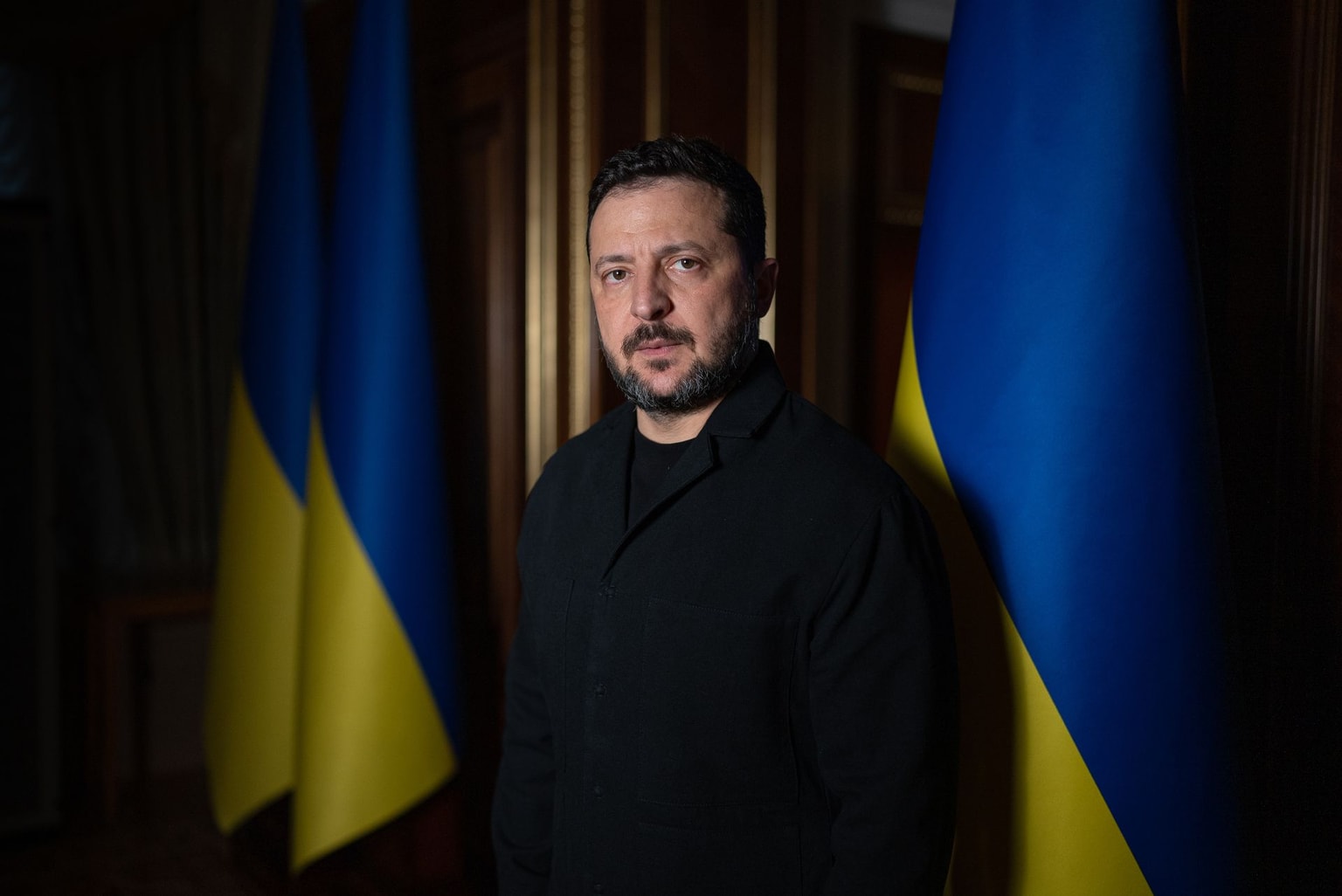
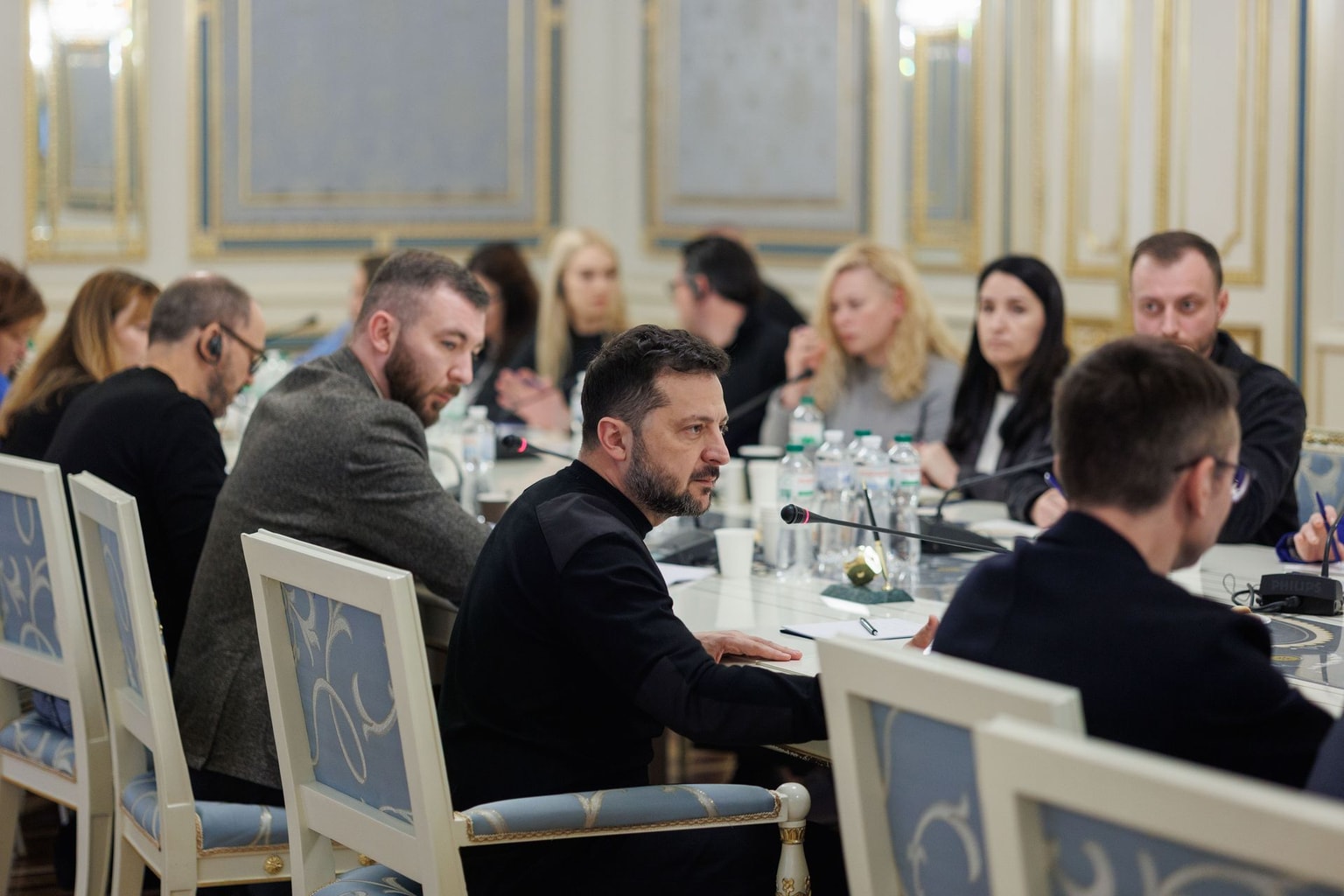
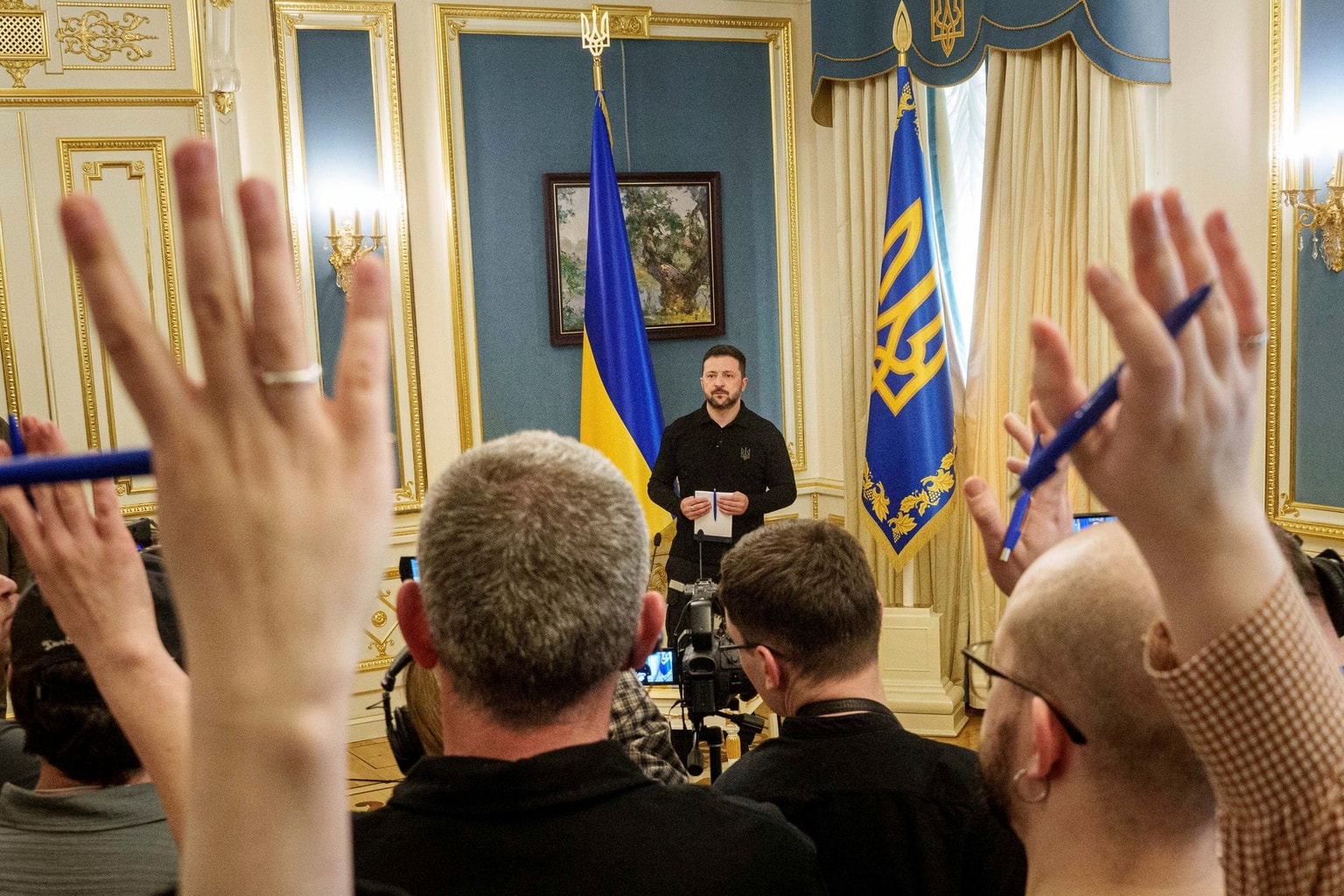
On Oct. 23, President Volodymyr Zelensky said that technical-level talks were expected in the first half of November and that he hoped they would lead to a meeting of leaders, while insisting that any agreement must rest on strong security guarantees and long-term funding for Ukraine's armed forces.
Moscow agreed in principle to resume negotiations after Vladimir Putin received U.S. envoy Steve Witkoff in St. Petersburg.
However, the Kremlin's willingness to attend another round says little about its readiness to compromise, particularly as it continues to dismiss proposals discussed with Ukraine's partners and pursues objectives that would fundamentally constrain Ukrainian sovereignty. And in this context, the decisive question is not whether Russia will negotiate, but what, if anything, it is prepared to concede.
Territory is where any negotiation will first succeed or fail, as Moscow is asking Ukraine to give up land, including areas its army has spent years trying and failing to capture, and Kyiv has rightly refused to hand over at the table what Russia could not take on the battlefield.
Zelensky has indicated that the most difficult territorial questions should be settled between leaders, but the real risk is of a different nature.

Washington, impatient for a quick deal, may lean on Ukraine to trade land for a ceasefire that gives Russia the breathing space to rebuild its forces, an arrangement that would reward conquest and all but guarantee another offensive.
A ceasefire line may one day become a practical necessity, but a line drawn to stop the shooting is not a border, and it must never be treated as legal recognition of Russian annexations.
The second obstacle is that nobody has yet defined what Ukraine's security guarantees would actually mean, or how a ceasefire would be enforced. Ukrainians have been here before, and not once.
In 1994, the Budapest Memorandum persuaded Ukraine to give up the world's third-largest nuclear arsenal in return for assurances of territorial integrity, and Russia tore them up in 2014.
The Minsk agreements that followed produced a ceasefire broken almost daily, watched over by an OSCE mission with no power to implement it, and used by a Kremlin that insisted it was not even a party to the war.
The Paris Declaration, agreed in January 2026 by Ukraine, the United States and the Coalition of the Willing, can be viewed as a serious starting point since it envisages a U.S.-led monitoring and verification mechanism, long-term military assistance, a multinational force once hostilities credibly end, and commitments to support Ukraine if Russia attacks again.
However, promises on paper have never equaled guarantees. And as such, until Ukraine’s partners say plainly who will do what, when, and under which conditions, these commitments risk becoming another Budapest, and Moscow will exploit every ambiguity they leave open.

The third obstacle is Europe's uncertain place in the process.
The European Council has made clear that it expects to help shape any settlement, and the European Commission reiterated that position on Oct. 23, but the Abu Dhabi format remains trilateral.
European governments are expected to finance Ukraine's defense, sustain sanctions and underwrite postwar security arrangements, while arguably exercising limited influence over the negotiations that define those obligations.
Europe cannot replace Ukraine at the table, but neither can Washington speak for European governments on matters that bind their own security commitments.
Taken together, these problems point to a troubling imbalance in which Ukraine is expected to give up territory, accept vague guarantees, and limit its future defenses, while Russia gives up nothing.
This is not a compromise but capitulation under the mask of diplomacy.
A decent approach would have been to force Russia to pay a real price for refusing a fair settlement by providing sustained military support to Ukraine and maintaining economic pressure, with sanctions relief earned through verifiable compliance rather than bestowed as a gesture of goodwill.
The West must also acknowledge Ukraine for what it has become, with its forces having battlefield experience in drone and electronic warfare and air defense that no other European army can match, and its defense industry quickly becoming part of Europe's own readiness.
These conditions should serve as the minimum that any agreement must meet to deliver more than a pause between wars. If Moscow refuses to compromise, the answer is to change the Kremlin's calculations.
In the alternative scenario, Ukraine would simply become a bargaining chip for larger powers, and no one would secure a long-term, reliable settlement.
Editor's note: The opinions expressed in the op-ed section are those of the authors and do not purport to reflect the views of the Kyiv Independent.