0of 5,000

Help us find 5,000 new members. Bring one friend.

Share your personal link and make us stronger in 2027.

0 found so far

Goal 5,000

Author
Megi Benia photo

Megi Benia

Megi Benia is Founder and Director of the Strategic Security Initiative (SSI), an independent policy research initiative focused on international security. A former Georgian diplomat, she specializes in Russia's influence operations, NATO's collective defense posture, cybersecurity, and transatlantic affairs.

Articles

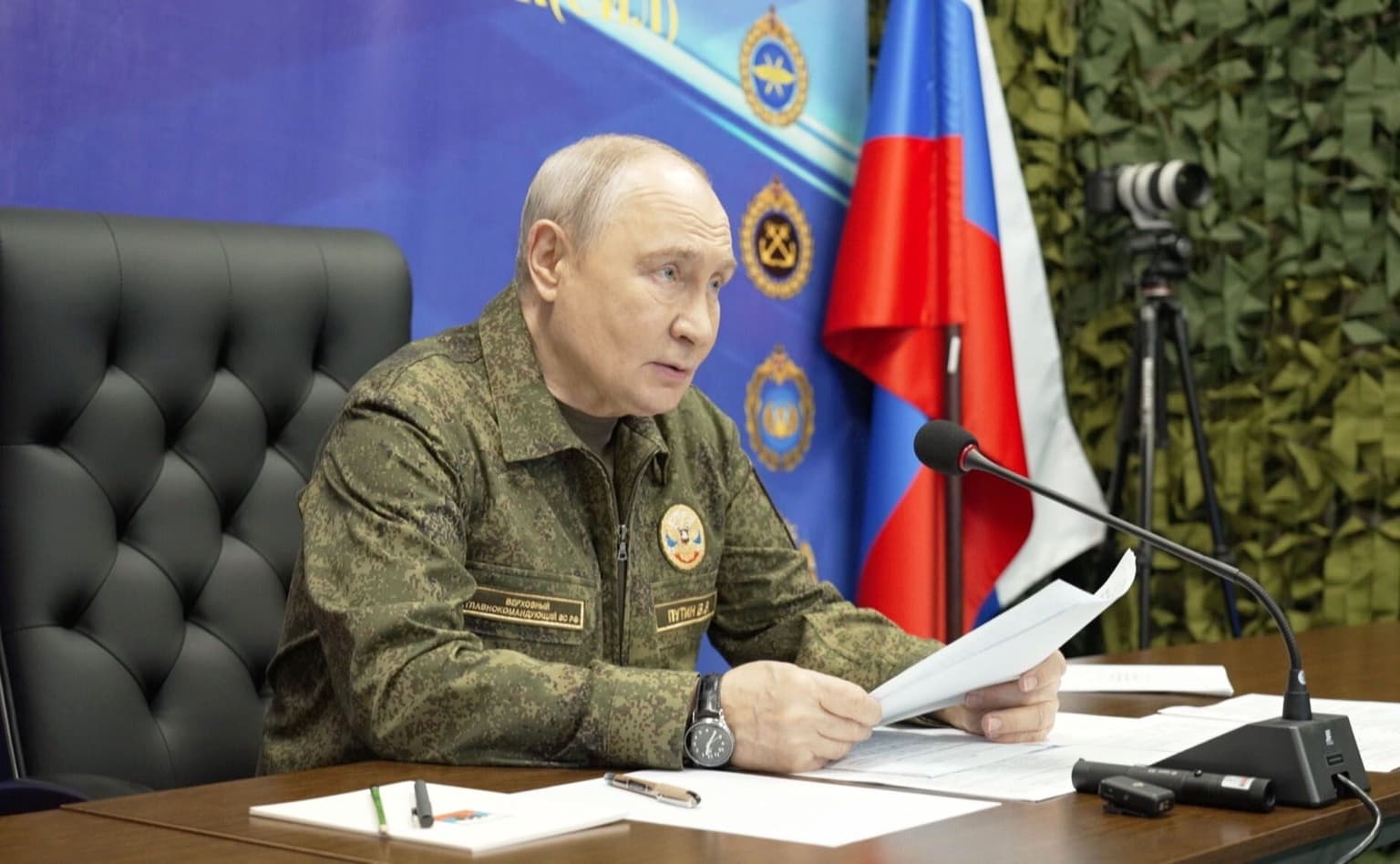
Putin meets with military commanders at a command center in Russia on Oct. 15, 2026.

Another round of peace-talk masquerade awaits Ukraine

by Megi Benia
The planned resumption of trilateral negotiations between Ukraine, Russia and the United States in Abu Dhabi in early November is already being presented in several Western capitals as evidence that diplomacy has regained its momentum, but a return to the negotiating table should not be confused with genuine progress toward peace. Unless the process confronts the fundamental obstacles to a durable settlement, it risks rewarding Russia for prolonging a war it has failed to win on its original te
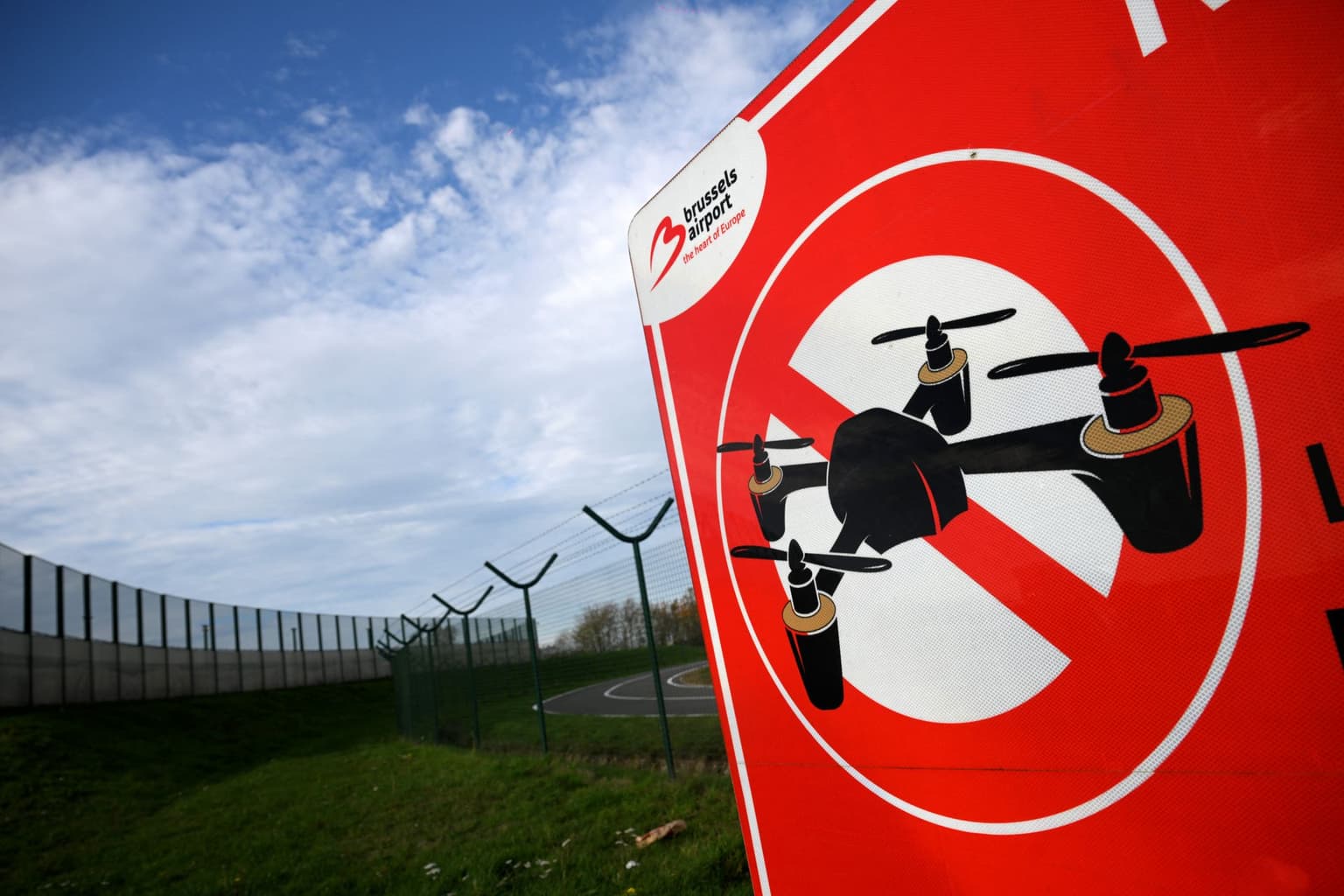
A sign reading "No drone zone" at Brussels Airport in Zaventem, Belgium, on Nov. 5, 2025.

Europe is learning the wrong lesson from Russia's drone war

by Megi Benia
European governments are preparing for a form of confrontation that their current investments do not fully match. While Russian-linked sabotage usually uses drones, logistics networks, criminal intermediaries, and deniable proxies against European cities, official policies and national strategies remain focused on detecting and intercepting each incident as it arises. This approach treats only the instrument of attack, leaving the vulnerability it exploits mainly overlooked. That vulnerabilit
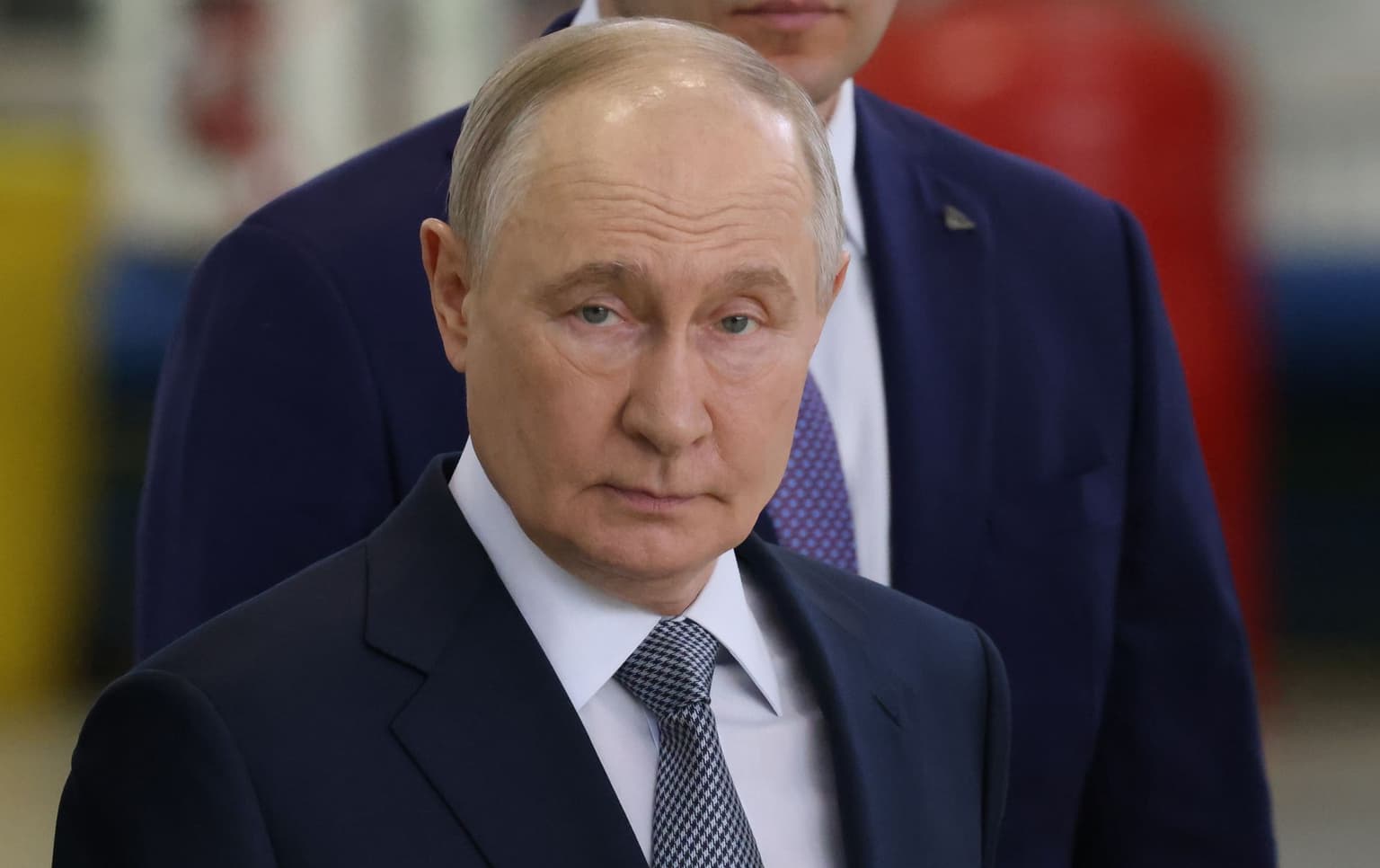
Russian President Putin during a visit to Zhukovsky, Moscow Oblast, Russia, on June 24, 2026.

Ceasefire as camouflage — How Russia weaponizes negotiations against Ukraine

Ahead of its annual spectacle of military ostentation — noticeably scaled down this year—  Russia's Defense Ministry issued two statements on May 4, 2026: one declaring a unilateral ceasefire for May 8 and 9 and presenting the announcement as evidence of restraint and humanitarian intent; the other warning that Ukraine risked a "massive missile strike on the center of Kyiv" should it disrupt Victory Day events. Only from a Western perspective did the two statements appear contradictory. To seas