Ukraine war latest: Drone and missile alerts sound in Kyiv amid temporary attack pause on capitals
 on Google
Key developments on Sept. 7:
- Russian drones fly toward Kyiv amid temporary attack pause on capitals
- Russia has enough resources to wage war through 2028, Ukraine's military intelligence says
- Ukraine claims strikes on railway bridge and Russian aircraft in Russian-occupied Crimea
- Kyiv shortens curfew to 1-5 am
- Pro-Ukrainian partisans sabotaged communication tower ahead of oil refinery strike, Atesh group claims
- Ukrainian drone blitz hits 3 Russian oil refineries, Zelensky confirms
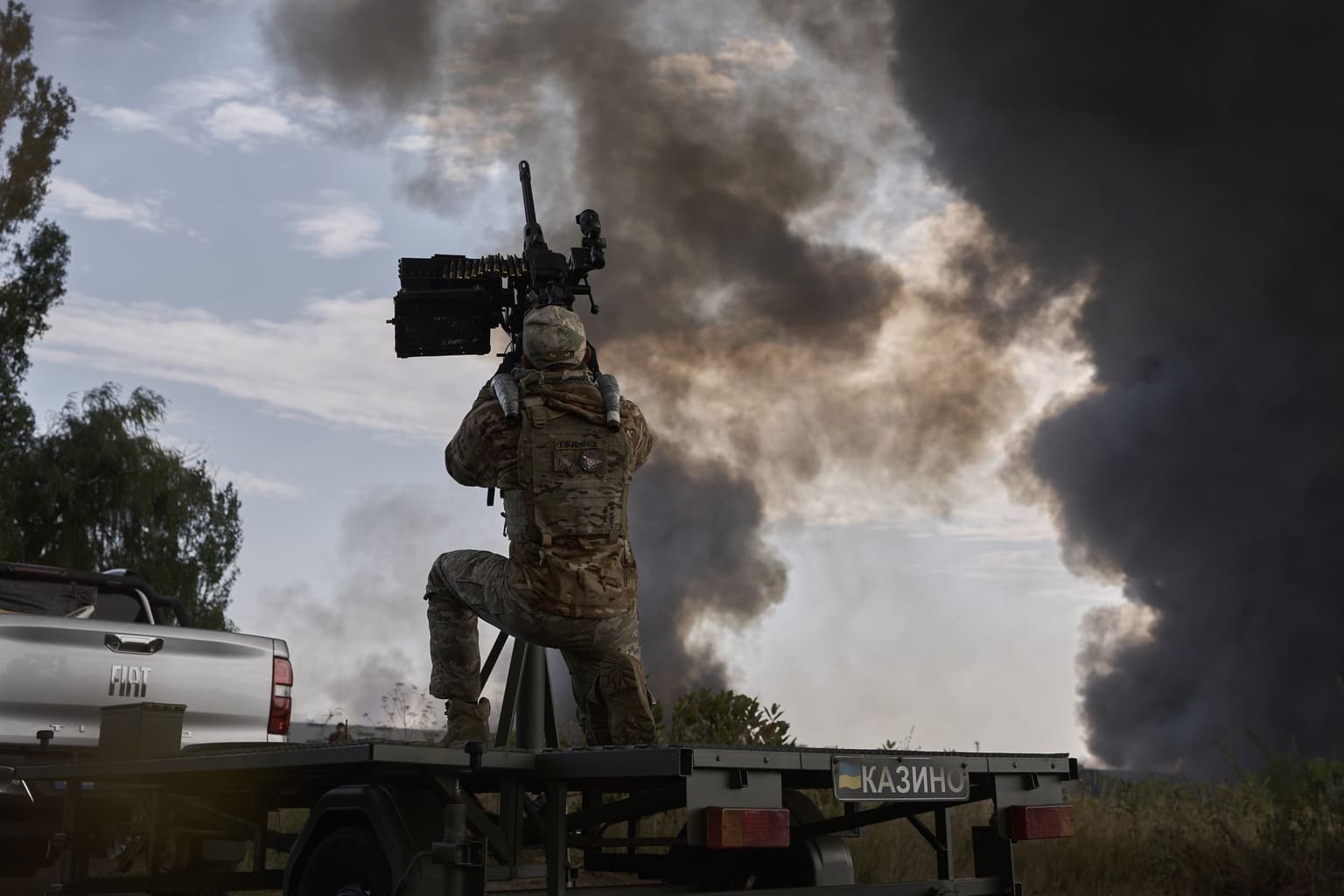
Russian drones were reported flying toward Kyiv on Sept. 7, according to Ukrainian monitoring channels. A temporary agreement between Russia and Ukraine stipulated neither country's capital would be attacked during a visit by U.S. envoys Steve Witkoff and Jared Kushner.
The Kyiv City Military Administration declared a brief drone air raid alert on Sept. 7, as monitoring channels reported Russian drones moving in the direction of the capital. No strikes or damage in Kyiv were reported by officials at the time of publication.
A Russian attack did, however, cause damage in the surrounding Kyiv Oblast, according to the regional military administration. A private house and a car were damaged in Brovary district, while a warehouse and an enterprise were damaged in Boryspil district. No casualties were reported.
At 7:42 p.m. on Sept. 7, Kyiv authorities issued a new air raid warning for the capital, citing a missile threat and urging residents to immediately seek shelter.
The drone activity comes amid an agreement between Russia and Ukraine that neither country's capital would be attacked from midnight Sept. 5 to Sept. 8, while Witkoff and Kushner were visiting to discuss peace talks.
The two envoys arrived in Kyiv on Sept. 6 for their first visit to the Ukrainian capital after holding talks in Moscow a day earlier. The arrangement did not amount to a broader ceasefire, and Russia continued attacking other regions of Ukraine during their visit.
Russia has enough resources to wage war through 2028, Ukraine's military intelligence says
Russia is economically much weaker than it was at the start of the full-scale war, but likely has resources to fight for two more years, Ukrainian military intelligence (HUR) chief Oleh Ivashchenko told Ukrinform in an interview published on Sept. 7.
"The main problems facing the Russian economy are a shortage of labor resources, a growing federal budget deficit, and a deteriorating situation in the banking system," Ivashchenko told the Ukrainian news agency.
"At the same time, it still has enough resources to wage war against Ukraine. We do not rule out that these resources will last through 2027 and 2028."
Kyiv's wartime strategy has increasingly centered around long-range drone strikes against Russian refineries, oil depots, factories, and tankers, aiming to undercut the Kremlin's revenues and increase economic pressure.
Ukraine claims strikes on railway bridge and Russian aircraft in Russian-occupied Crimea
Ukrainian drone strikes overnight hit a railway bridge over the North Crimean Canal in Russian-occupied Crimea, Ukraine's General Staff said on Sept. 7.
The railway bridge is located near Vladyslavivka, a village in eastern Crimea that hosts a key railway junction in the area, the General Staff said. Russia uses the railway line for military logistics, according to the General Staff.
Other targets hit overnight across Russian-occupied territories include Russian command posts in eastern Luhansk and southeastern Zaporizhzhia oblasts, an ammunition depot in Luhansk Oblast, and an automated reconnaissance system known as Grenadier in Crimea, the General Staff said.
"Work on key enemy military targets continues," the General Staff said in its Telegram post, adding that the extent of the damage from these strikes wass still being assessed.
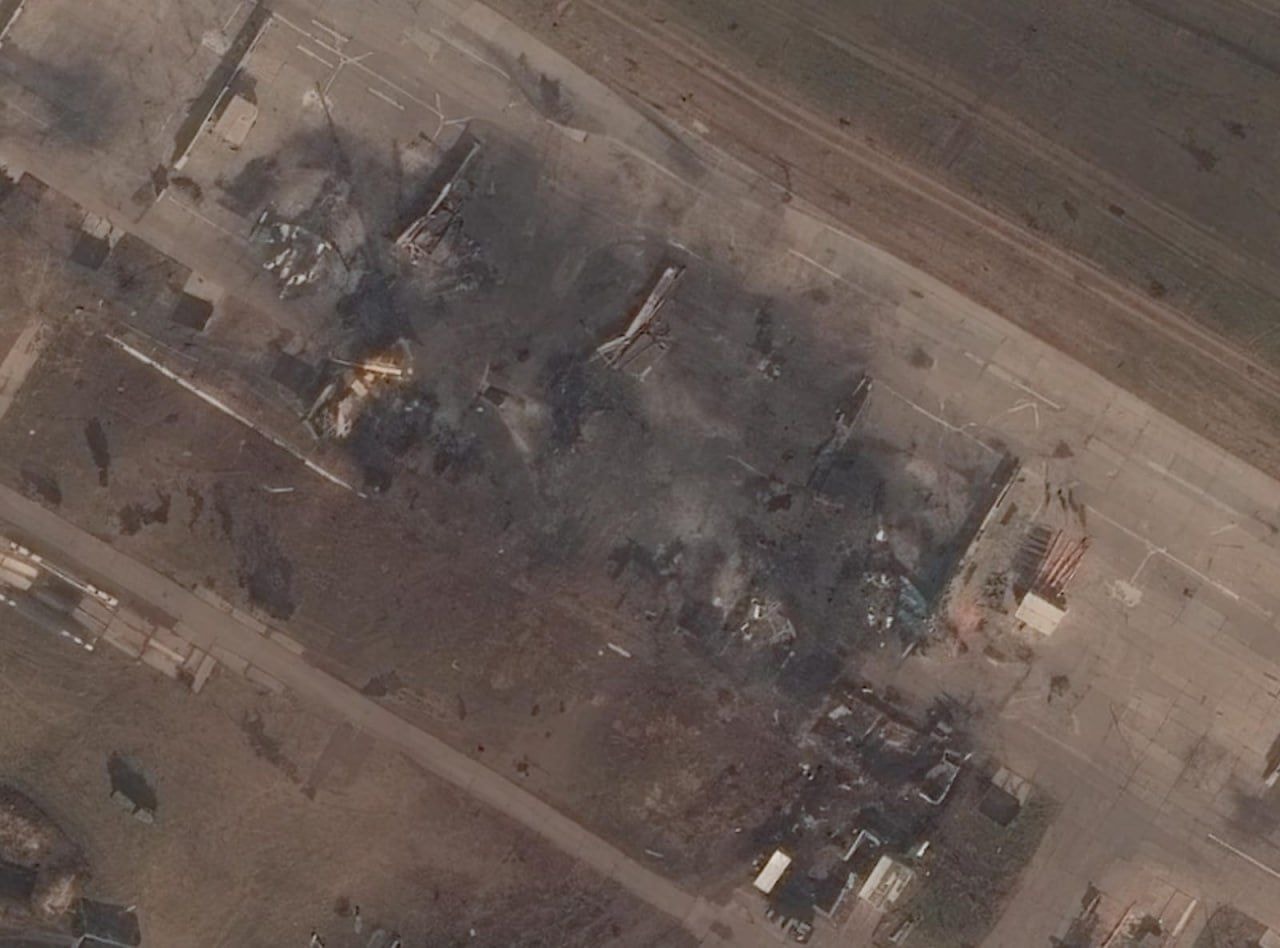
Ukraine's military intelligence (HUR) separately claimed that one of its units struck a Russian aircraft in Russian-occupied Crimea. The damage wass still being assessed, HUR said on Telegram. While HUR did not identify the aircraft type, Ukrainian media outlet Hromadske said it appears to be a Russian Su-24 bomber, citing the video attached.
The Kyiv Independent couldn't independently verify the claims.
Kyiv shortens curfew to 1-5 am
The curfew in Kyiv will be shortened to 1 a.m. to 5 a.m. amid intensified Russian aerial attacks on the Ukrainian capital, the city's mayor, Vitali Klitschko, announced on Sept. 7.
The changes will take effect at midnight on Sept. 10, and the public transportation services in Kyiv will also be extended by an hour, according to Klitschko. He said that the working hours of restaurants, cafes, shopping malls, and other venues would remain unaffected.
The curfew reduction comes as the security situation in Kyiv deteriorates, with air raid alerts going off regularly and restricting movements within the city. Round-the-clock Russian drone attacks have targeted Kyiv for over a week, from the end of August to the beginning of September, leaving the city's residents to worry about what awaits them in the upcoming winter.
At the same time, all entertainment and sports events in open air locations or facilities without shelters will be temporarily prohibited in Kyiv, said Klitschko.
Facing a severe shortage of air defense missiles, Ukraine is increasingly strained in its efforts to protect cities, including Kyiv, from heavy Russian missile and drone attacks.
With trains often arriving in the city late, the city will organize four bus routes during curfew so people can get home from Kyiv's central railway station, Klitschko said.
Pro-Ukrainian partisans sabotaged communication tower ahead of oil refinery strike, Atesh group claims
A Russian servicemember defected and destroyed a communications tower deep behind Russian lines, allowing Ukrainian forces to strike one of Russia’s largest oil refineries, the Atesh group claimed on Sept. 5.
The pro-Ukrainian saboteur reportedly contacted the Atesh group, a partisan force operating behind Russian lines, and burned through wiring in a communications tower around the Russian city of Perm, roughly 1,500 kilometers (930 miles) from Ukraine, in August.
The Russian servicemember joined the Ukrainian resistance group due to his "disagreement with the country's leadership and the lawlessness he witnessed in the army," the Atesh group claimed on Telegram.
The loss of the tower reportedly disrupted data transmission in the area, leaving security personnel and Russian military units unable to maintain reliable coordination. Ukrainian drones then struck the nearby LUKOIL-Permnefteorgsintez on Aug. 21. Operations at the refinery were temporarily suspended following the strikes.
The Kyiv Independent cannot verify the claims made by Atesh.
Owned by Lukoil, one of Russia's largest oil producers, the Permnefteorgsintez refinery is among the country's largest. The facility processes more than 13 million metric tons of crude oil annually and produces gasoline, diesel fuel, jet fuel, and lubricating oils.
The Atesh partisan group regularly sabotages Russian military infrastructure in Ukraine's occupied territories and in Russia.
Ukrainian drone blitz hits 3 Russian oil refineries, Zelensky confirms
Ukrainian long-range drones targeted three oil refineries across Russia, President Volodymyr Zelensky said on Sept. 7.
"Our soldiers continue to respond fairly to Russian strikes on Ukraine. An oil refinery was hit in the Ryazan region. Our long-range force was used against oil refineries in the Perm region and Tatarstan," Zelensky said in a post on social media.
Ukrainian drones also struck a launch and storage site for strike drones in Russia's Kursk Oblast and "a target" in the Black Sea, he added without providing further details, though he did attach a video of highlights.
Videos shared by the Ukrainian Telegram channel Exilenova+ purportedly show Ukrainian long-range drones flying over Perm and smoke rising from the oil refinery amid explosions.
Independent Russian outlet Astra had earlier said on Sept. 6 that Ryazan Oil Refinery Plant, part of Russia's state-controlled oil giant Rosneft, was struck again, following attacks in May and July. With a capacity to process about 17 million tons of oil per year, it produces a wide range of oil products, including automobile gasoline, diesel fuel, aviation kerosene, fuel oil, and liquefied gases. The facility is located about 500 kilometers (310 miles) from Ukraine.
Elsewhere in Russia, NASA's FIRMS detected a thermal anomaly at the Taganrog-Central military airfield in Taganrog, near Rostov-on-Don in Rostov Oblast, Militarnyi reported. FIRMS uses satellite instruments to detect thermal anomalies and active fires on Earth's surface. Exilenova+ reported that local residents had reported an attack on Taganrog earlier on Sept. 7.
The Kyiv Independent cannot verify the claims or the extent of the damage caused. Ukraine's military has not yet commented on the reported attacks.